Putin's Transnistria passportization decree likely war recruitment tool, Moldova's president warns
 on Google
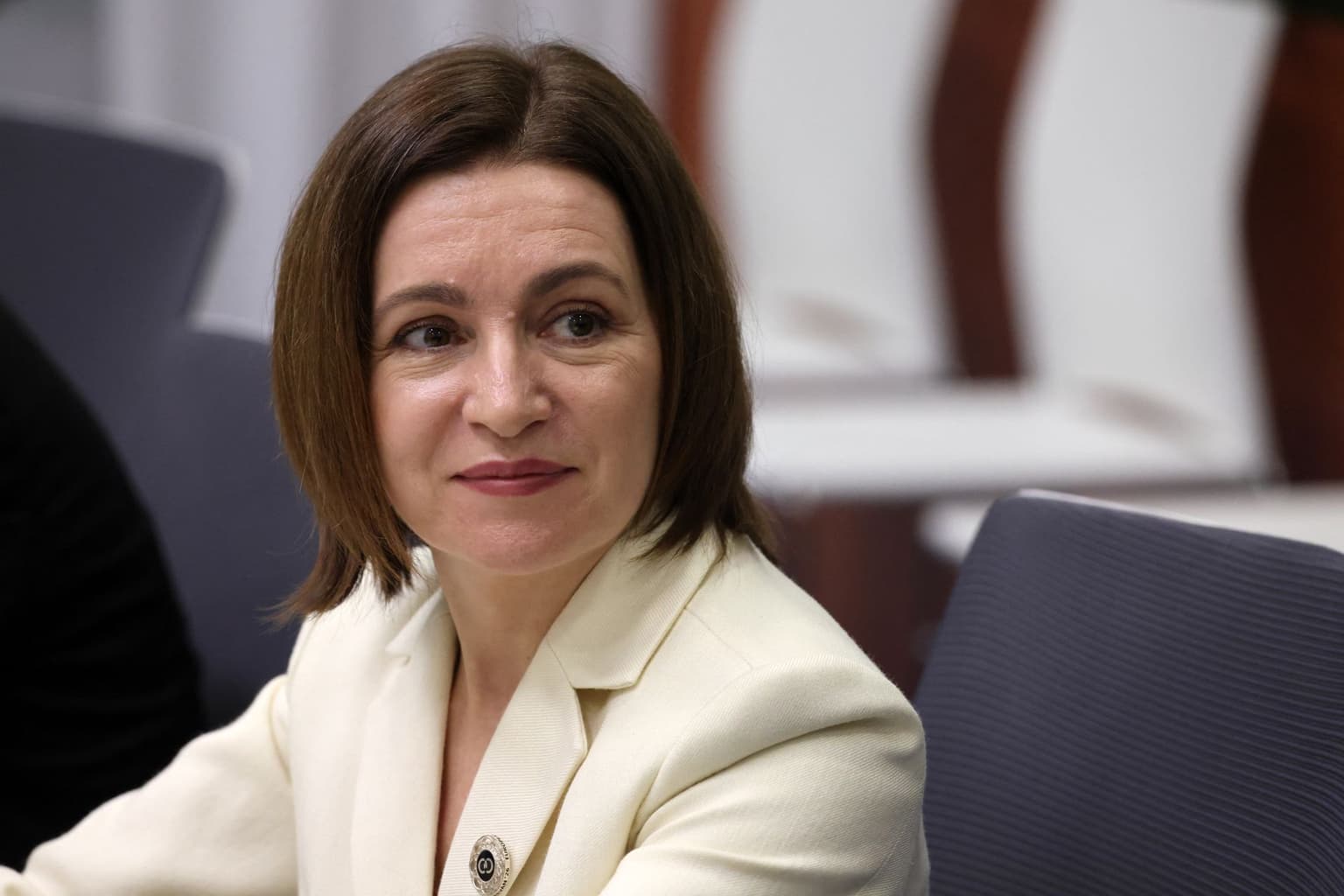
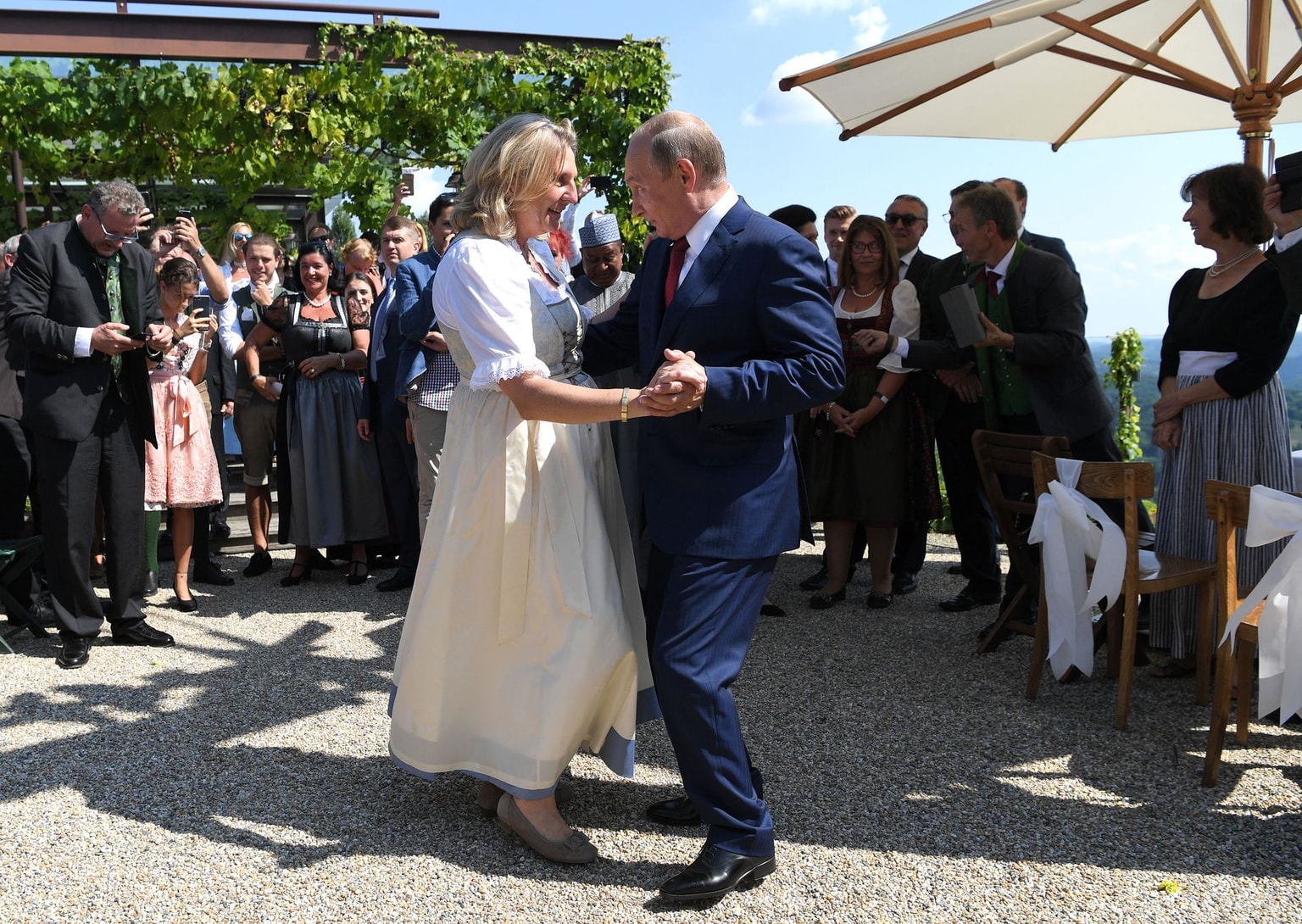
Russian President Vladimir Putin's decree simplifying the citizenship process for residents of Moldova's Russian-occupied Transnistria could serve as a way to recruit more people for Russia's war against Ukraine, Moldovan President Maia Sandu said on May 16.
"On the decree issued by Putin... probably they need more people to send to the war in Ukraine," Sandu said during the Lennart Meri Conference in Tallinn, the Kyiv Independent journalist in attendance reported.
Under the decree, which Putin signed on May 15, eligible applicants can bypass Russian residency requirements, history and civic exams, and proof of Russian-language proficiency.
Transnistria, a Moscow-backed separatist region along Moldova's eastern border, has been controlled by Russian proxies since the early 1990s and remains heavily dependent on the Kremlin.
"Since the war in Ukraine began, most of the people from the region took their Moldovan citizenship because they felt safer to have the citizenship of the Republic of Moldova and not the citizenship of Russia," Sandu added.
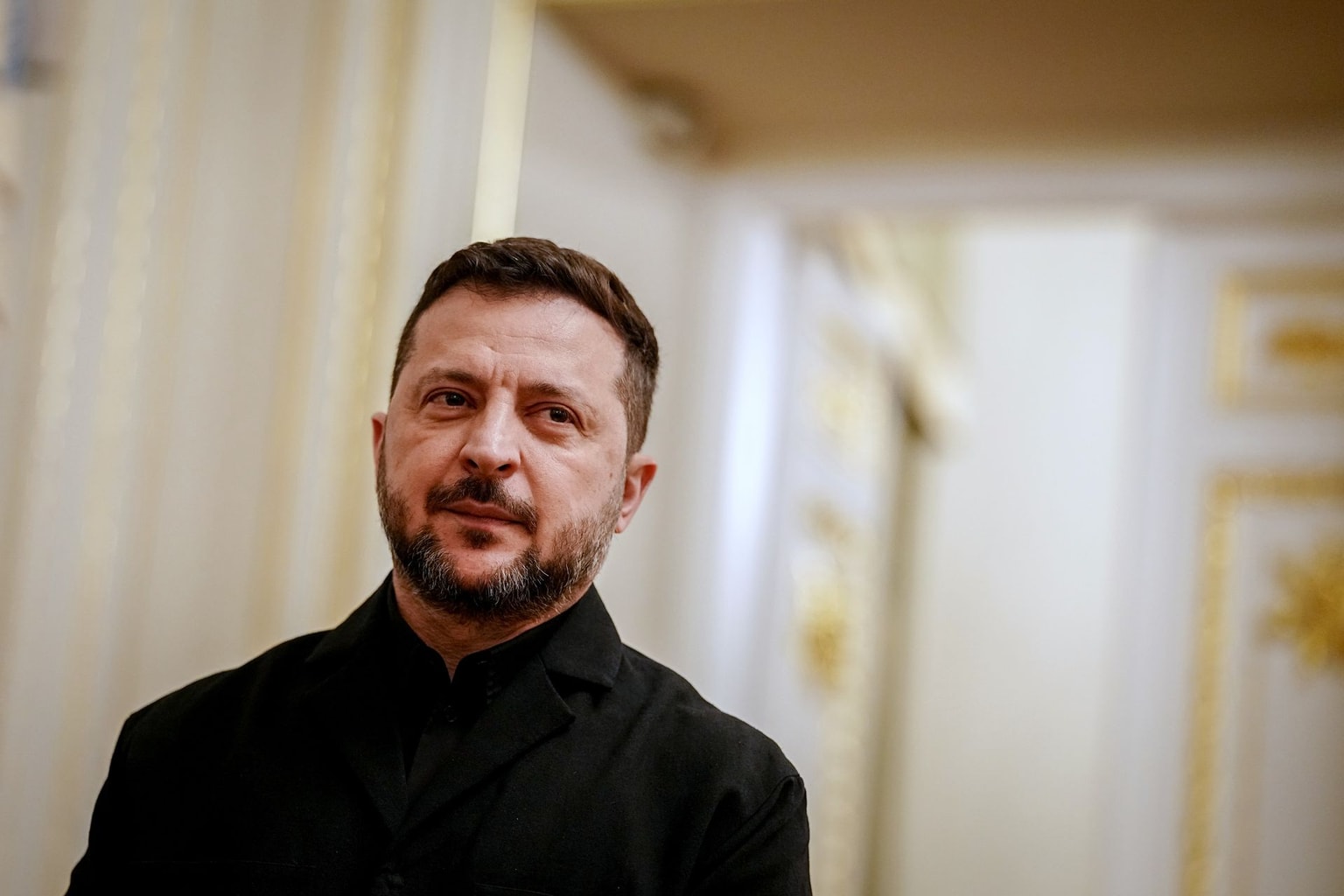
President Volodymyr Zelensky also condemned the move, saying the decree was "Russia's way of staking a claim to Transnistria's territory." Zelensky added that he had instructed Ukraine's Foreign Ministry to coordinate with Moldova on a joint assessment of the decree and possible joint actions in response.
Moscow has long used passportization mechanisms to exert influence over populations in occupied territories and regions controlled by Russian proxies.

Putin has issued similar decrees in the past. In May 2025, Moscow simplified the process for obtaining Russian citizenship for residents of Georgia's Russian-occupied territories of Abkhazia and South Ossetia.
Putin also signed a decree in March that indefinitely extends a simplified procedure for obtaining Russian citizenship in Ukraine's occupied territories.
"The goal of the new decree is to passportize as many people as possible, pressuring them," Nataliia Yurlova, lawyer for non-governmental organization Donbas SOS, told the Kyiv Independent.
Meanwhile, occupation authorities force parents in occupied Kherson Oblast to obtain Russian passports or risk losing parental rights, the Center of National Resistance reported on July 30.