Moldova 'best performer' in neck-and-neck race with Ukraine for EU membership
 on Google
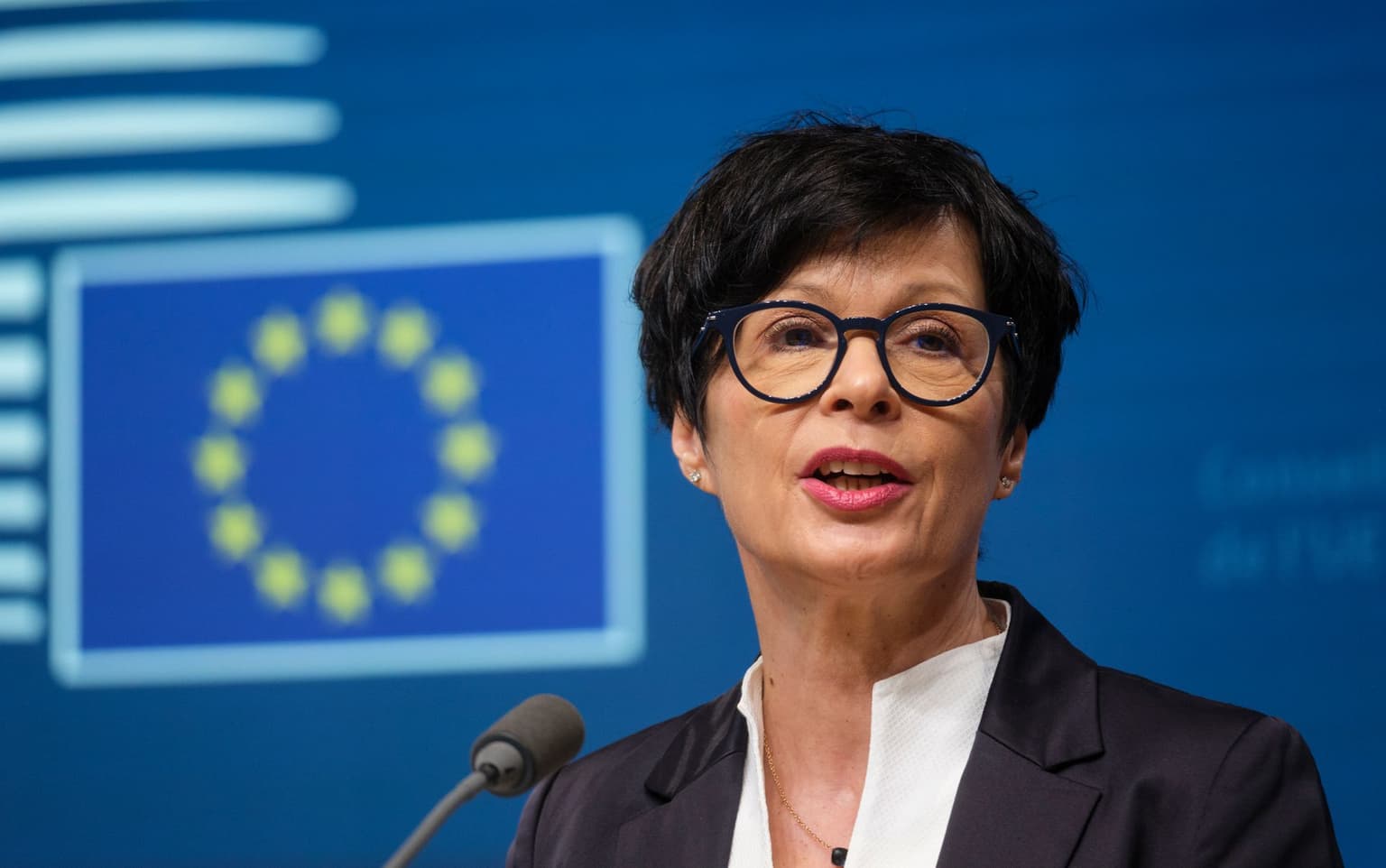
Moldova and Ukraine have so far progressed their EU membership bids in tandem, but with the latest step taken on July 14, differences are emerging in the work still to be done, with Chisinau rather than Kyiv in the lead, at least in the eyes of the EU's Enlargement Commissioner Marta Kos.
So far, both countries have opened two of six so-called enlargement clusters, to-do lists of reforms that have to be completed in order to be fully aligned with the EU. Those clusters concern the rule of law and democracy, and external relations.
Although EU countries have handcuffed Chisinau and Kyiv together when it comes to the opening of each cluster, the reforms to be completed thereafter can vary for each country, and so from then on, the race is truly on.
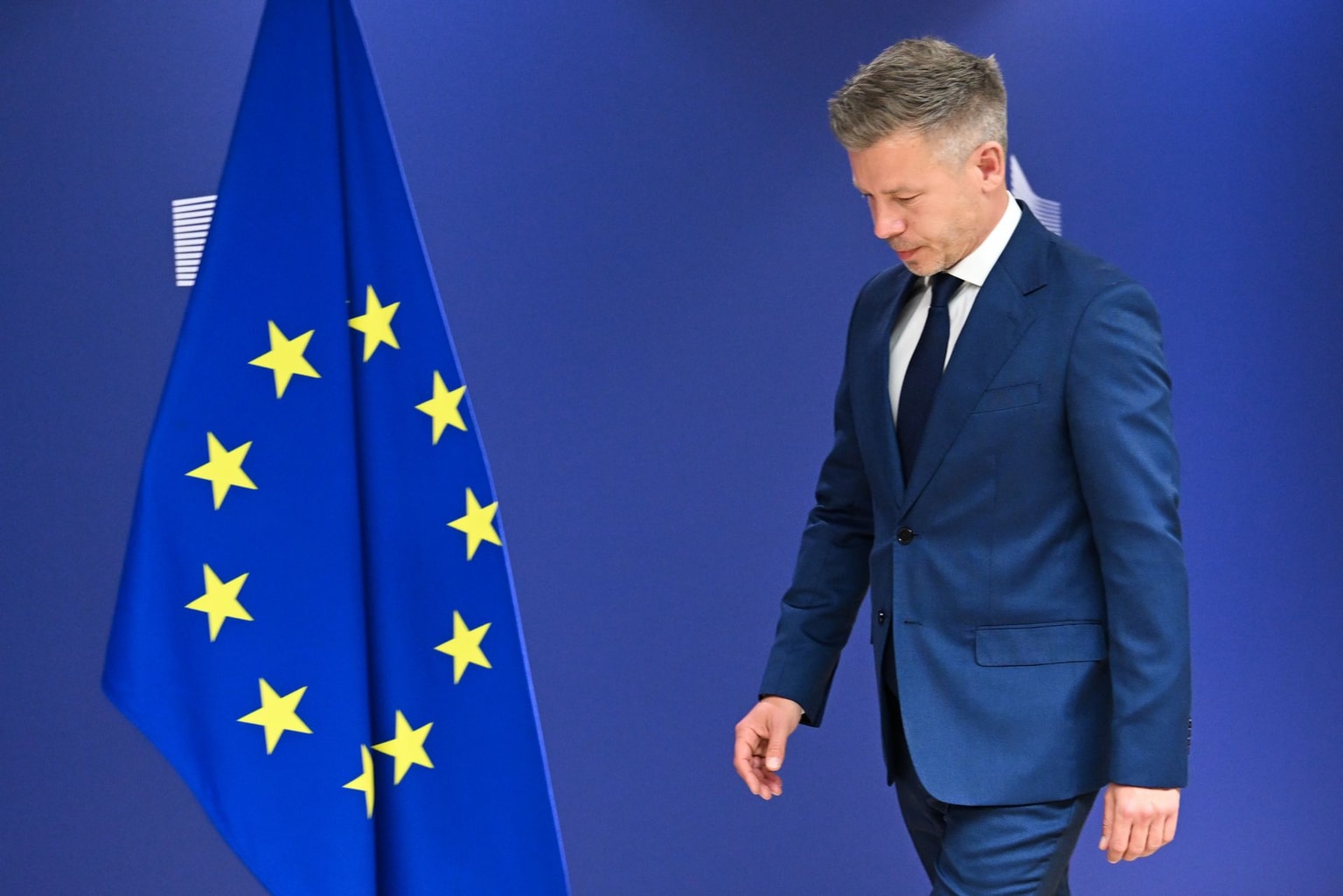
"I many times claimed that Moldova is the best student in my class, now I change my rhetoric because it is the best performer in my class," Marta Kos said after Chisinau opened the external relations cluster on July 14.
In particular, she hailed Moldova's work on judicial transformation, media pluralism, and on anti-corruption, for Kos "the most demanding reforms" where she has seen "a really genius approach from the government."
While Kos was also flattering in her press conference on Ukraine earlier that day, her remarks focused less on the speed of reforms and more on Kyiv's "profound transformation under the most difficult circumstances imaginable," and an emphasis on security and defense, where Ukraine can be a real asset for the EU.
In April, Kos likewise pointed out that Moldova was slightly ahead of Ukraine on the speed of reforms.
The official documents outlining the work Ukraine and Moldova have to do in order to comply with the external relations cluster, while broadly similar, throw up a couple of key differences, largely shaped by the experience of war.
Ukraine is slightly ahead of Moldova on implementing EU sanctions, 95% vs 91% compliance, on civil protection mechanisms, and secure digital communication.
But where defending itself against Russia may have pushed Ukraine ahead on some policies, it has made compliance elsewhere more difficult.
For example, the document notes that Ukraine has to suspend its participation in an EU security mission to Bosnia-Herzegovina, and Kyiv is significantly behind Chisinau on non-proliferation issues.
"The EU encourages Ukraine to ratify the arms trade treaty ... and to preserve and further, as far as possible, the global achievements of the Anti-Personnel Mine Ban Convention ... and to align its legal framework of arms export control," reads the document.
In each of those cases, war prerogatives have taken precedence over EU integration steps. In 2025, Ukraine withdrew from an international treaty on anti-personnel mines so that it would be free to use them to stymy a Russian offensive.
But for the most part, the list of work to be done by the two countries remains the same, especially on topics with less clear linkages to Russia, such as humanitarian development.