Luke Harding's 'Betrayal' charts the collapse of the rules-based order — and who is to blame
 on Google
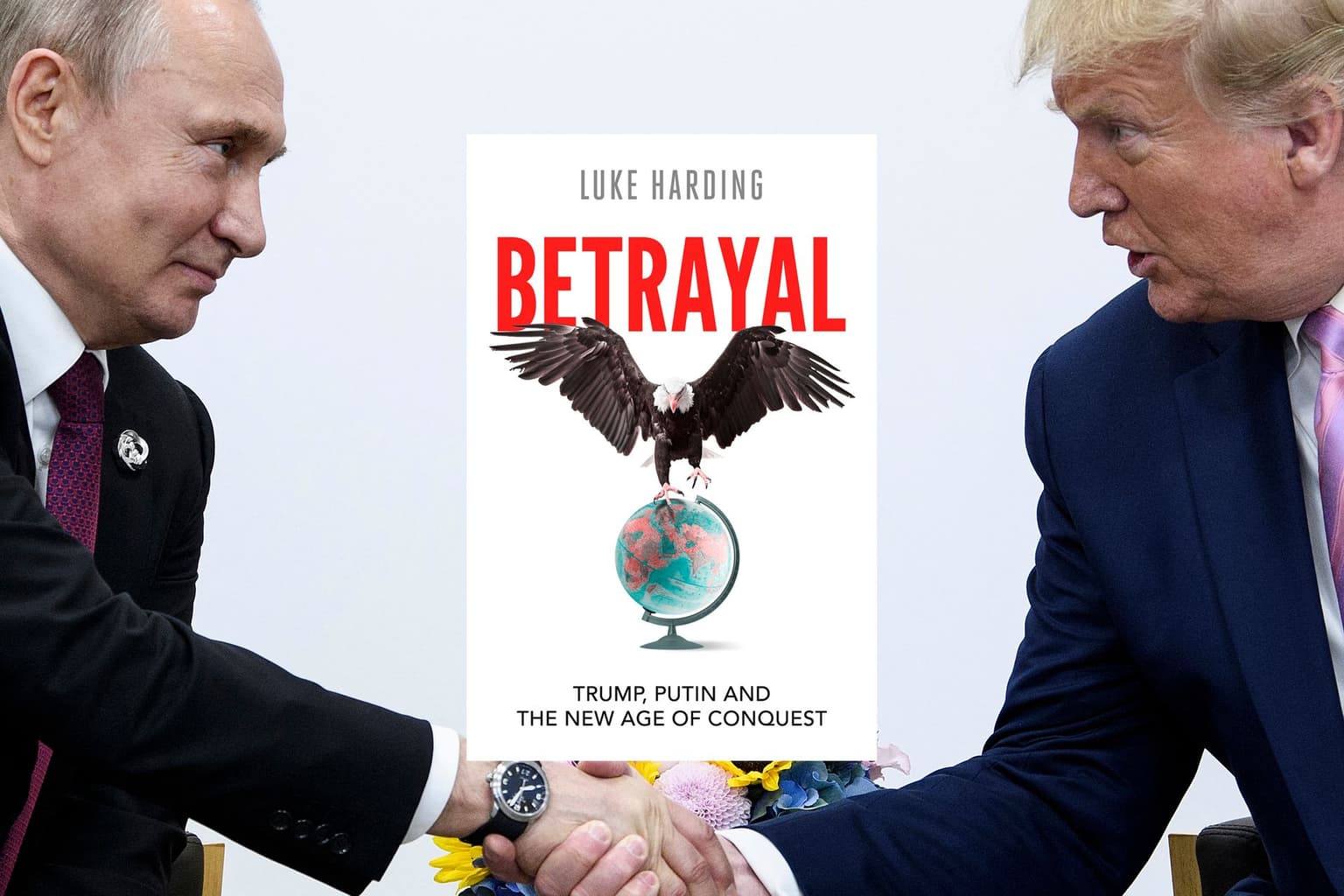
Luke Harding's “Betrayal: Trump, Putin and the New Age of Conquest" begins with a turning point in the full-scale war most people probably haven't spent enough time coming to terms with: North Korean soldiers getting ready to join the biggest land war in Europe since 1945.
"Soon they would be stumbling through alien woods and fields, sent by one dictator to help out another. It was a sign of a world turned upside down. The rules-based international order — the post-1945 understanding that states didn't invade each other or change borders by force — seemed broken," Harding writes.
At the start of the full-scale war, the idea of North Korean soldiers fighting in Europe would have seemed implausible to most. Today, it is just one more sign of a world reverting to Great Power politics, the betrayal at the heart of Harding's book. The U.S., Russia, and China pursue their "strategic interests," and as a result, millions of people are left hostage to a system that should have died with the last century.
Who is to blame for the collapse of the post-1945 order? As the title suggests, Harding doesn't pin it on a singular country or individual. But Harding reserves some of his most acerbic digs for U.S. President Donald Trump, whom he calls, among other things, "the prostrator-in-chief when it comes to Russia." In his second term, Harding argues, Trump has emboldened authoritarian leaders like Russia's Vladimir Putin and China's Xi Jinping to act with unprecedented impunity.
One of the most telling examples is the so-called Alaska summit in August 2025, when Trump invited Putin for his first visit to the U.S. in nearly a decade. Before the summit, as Harding reminds the reader, Trump warned that Russia would face "severe consequences" if it didn't agree to a ceasefire with Ukraine.

Although the Alaska summit was presented as a chance for the U.S. to press Russia for peace, it opened with pomp and ceremony: Trump applauded as Putin walked toward him along a red carpet, and the two stood side by side as a B-2 stealth bomber and F-35 fighter jets flew overhead. The talks ended without any hope of ending the war, and the visuals were disturbing — including Putin casually brushing off a journalist's question about civilian deaths.
As Harding writes, "Putin could be seen grinning (during the summit), smirking even, an international outlaw no longer. The invitation was a rare honor, granted to few statesmen. It was a sign of Trump's esteem for his visitor, and a scene that might have been scripted by the Kremlin's own talented dramaturgs."
Trump's praise of Putin over the years has fueled endless speculation about his motives, most famously including the theory that he is some "compromised asset." Harding acknowledges that the Czechoslovak security services kept files on Trump and his first wife, Ivana, in cooperation with the Soviet counterparts, and that the couple visited the USSR in July 1987. Two months later, Trump ran full-page newspaper ads criticizing U.S. foreign policy, which Harding describes as "an unusual move for a non-politician."
However, the record is suggestive rather than conclusive, and it raises as many questions as it answers. Harding wonders whether it is indifference, fear, the prospect of lucrative business deals, or a genuine wish not to imperil peace talks that drives Trump's actions – or lack thereof – toward Russia. Whatever the answer, he argues, Trump's inaction has been seen as "a moral choice of sorts" that "ignored the Kremlin had a long and outrageous history of lying," and the Kremlin, in turn, has interpreted his behavior as a sign of approval.
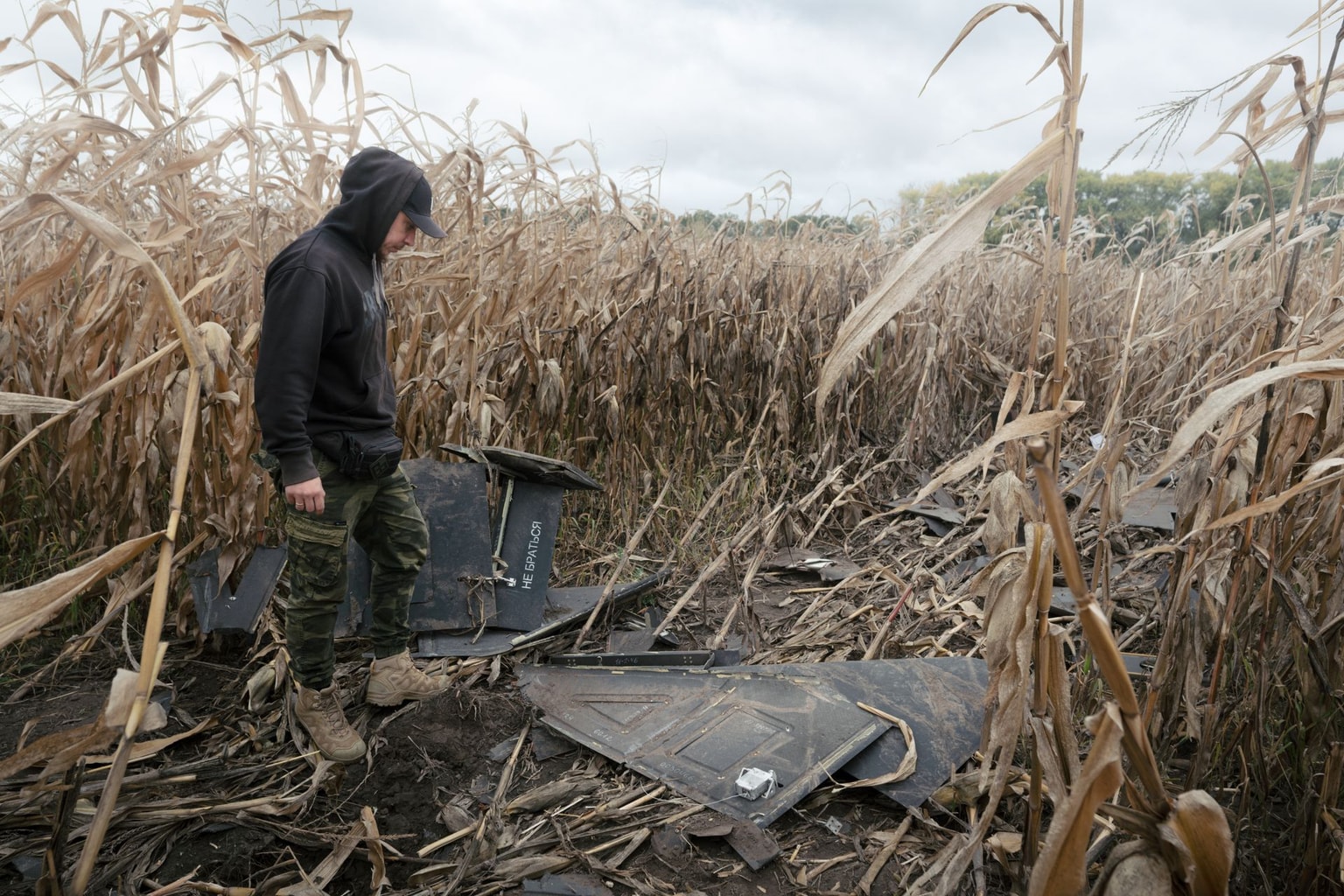
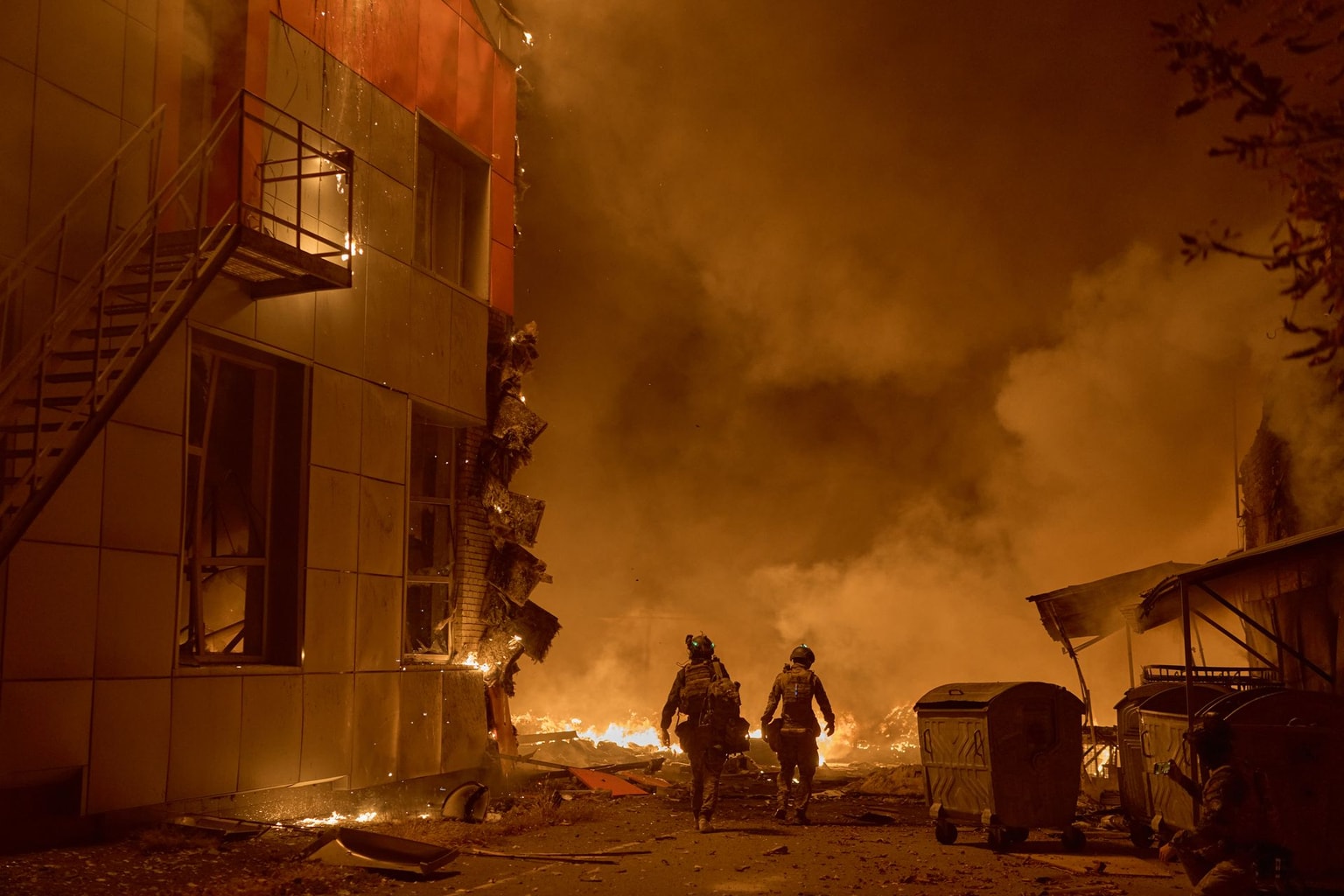
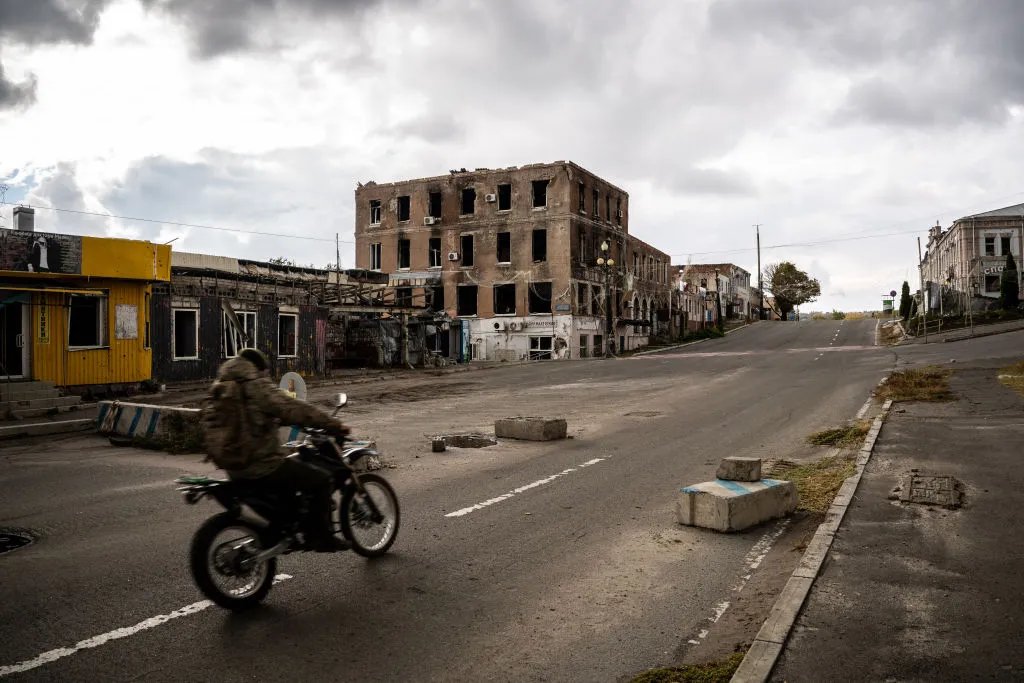
Perhaps most importantly, "Betrayal" ties this high-level state intrigue to Harding's on-the-ground reporting from Ukraine, introducing readers to Ukrainians still living in front-line cities who no longer fear the sounds of explosions, as well as the soldiers defending against Russian advances. These Ukrainians are reminders that there is no sense to Russia's talk of "defending" its so-called "sphere of influence," and that Ukrainians alone have the right to decide what's best for their country.
However, the book also looks beyond Ukraine to the aftershocks of the collapsing post-1945 order, like Trump repeatedly entertaining the idea of the U.S. taking Greenland — by force, if necessary. Putin, when asked about it, called it "an issue that concerns two specific nations and has nothing to do with (Russia)." According to Harding, the reasoning behind Putin's words was obvious: "if the Americans took Greenland, Putin's war in Ukraine looked like less of an aberration."
The U.S., long the world's leading power, still stands for a sense of order, even if that feeling is increasingly nostalgic. Leaders like President Volodymyr Zelensky, Harding notes, have no choice but to push on through Trump's erraticism — "self-appointed world peacemaker one day, warmonger the next" — for a greater cause.
If the book has any setback, it is one of scale: the events Harding describes are so vast, from the front line in Ukraine to covert Russian agents trying to influence U.K. politicians, that it is sometimes easy to get lost in the urgency of the book's underlying message. Yet the book earns its place in an argument that is only beginning, and it leaves the reader with a question that no one in power seems eager to answer: what sort of world do we want to inhabit, and whom do we want to lead it?
Note from the author:
Hi, this is Kate Tsurkan, thanks for reading this article. There is an ever-increasing amount of books about or related to Ukraine, Russia, and Russia's ongoing war of aggression against Ukraine available to English-language readers, and I hope my recommendations prove useful when it comes to your next trip to the bookstore.
If you like reading about this sort of thing, please consider supporting The Kyiv Independent.