News Feed

G7 ready to lower Russian oil price cap without US support, Reuters reports

2 min read
G7 ready to lower Russian oil price cap without US support, Reuters reports
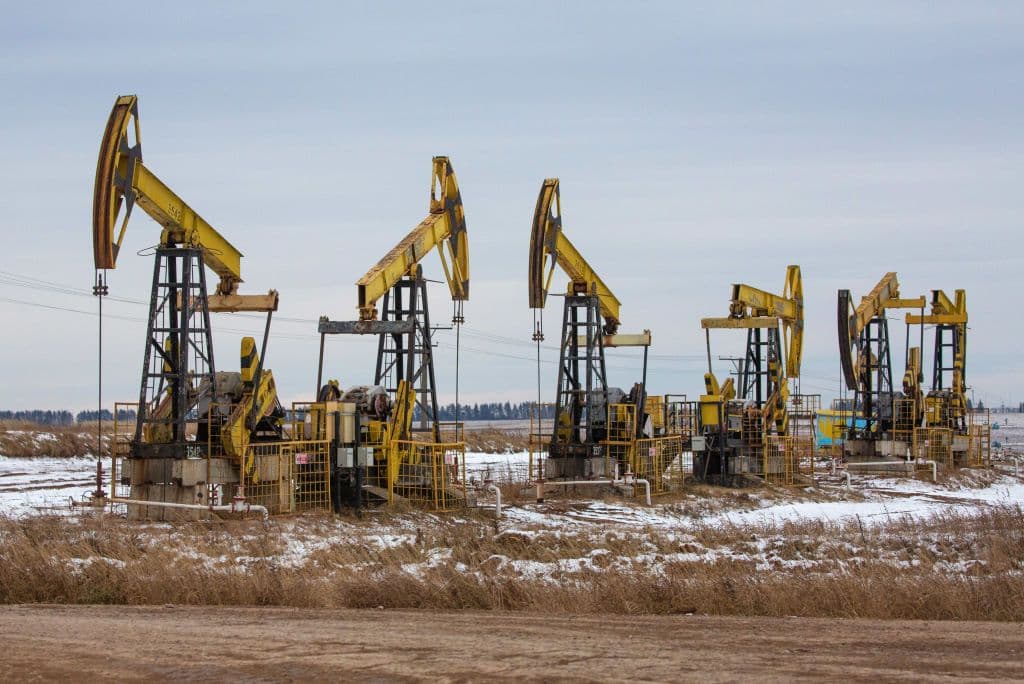
Illustrative purposes: A Russian oil field run by Rosneft Oil Company near the village of Sokolovka, Nov. 2020. (Photo: Andrey Rudakov/Bloomberg via Getty Images)

Most Group of Seven (G7) nations are prepared to lower the Russian oil price cap from $60 to $45 a barrel even without support from the United States, Reuters reported on June 12, citing unnamed sources familiar with the matter.

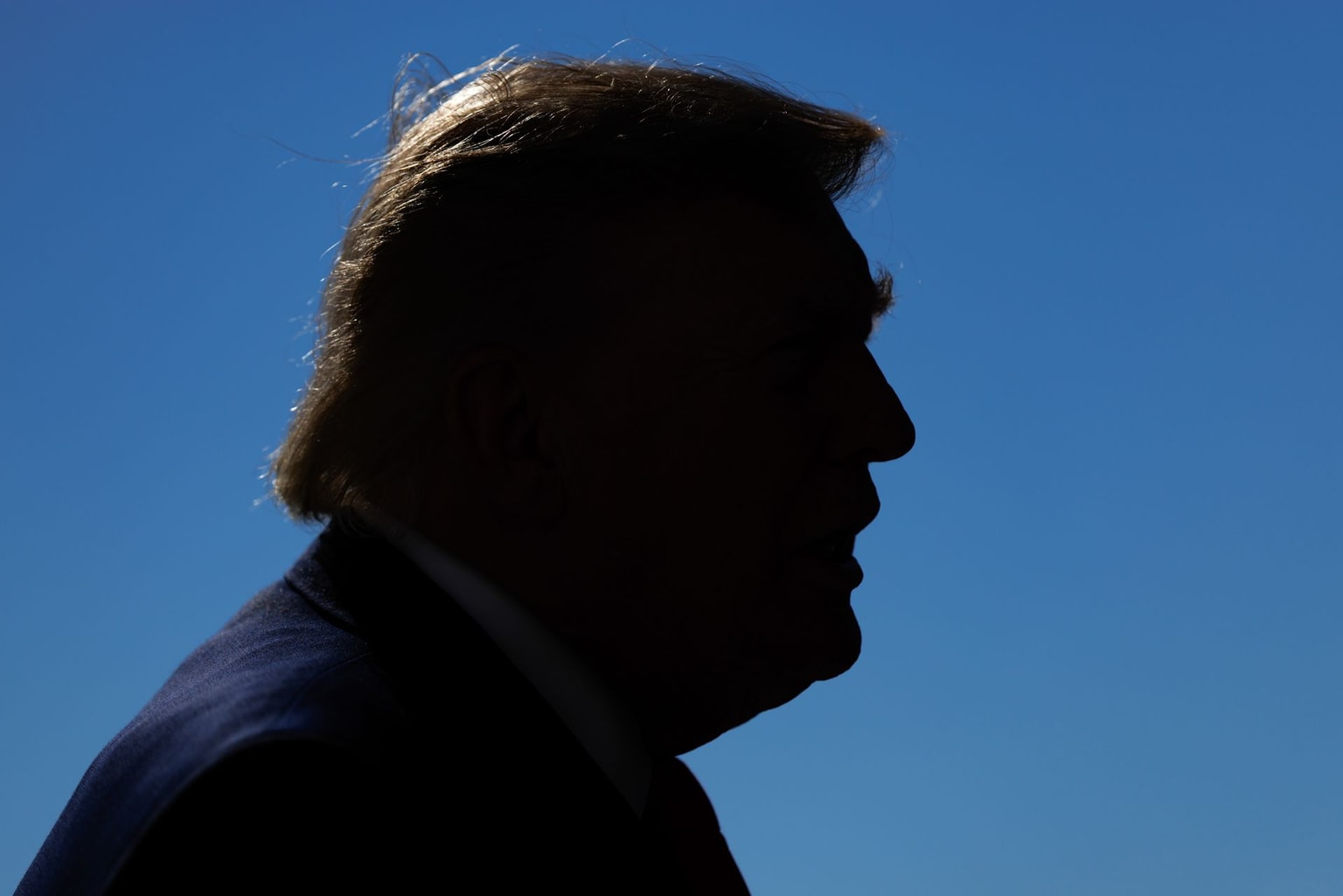
According to Reuters, the European Union and United Kingdom, backed by other European G7 countries and Canada, are ready to lead the charge in lowering the Russian oil price cap – even if U.S. President Donald Trump opts out.

The price cap, which bans Western companies from shipping, insuring, or otherwise servicing Russian oil sold above $60 per barrel, was first introduced in December 2022 as a measure to limit the Kremlin's ability to finance its war against Ukraine.

The G7 had previously attempted to lower the Russian oil price cap; however, the proposal was dropped after U.S. Treasury Secretary Scott Bessent reportedly declined to support it.

It is unclear whether the U.S. will support the decision this time around. Japan's position is also undecided.

Participating country leaders will revisit the price cap discussion at the upcoming G7 summit. Canada, which holds the G7 presidency this year, will host the summit on June 15-17 in Kananaskis County, located in the western province of Alberta.

The summit agenda will include topics such as support for Ukraine in the Russian war, global economic stability, digital transformation, and climate change.

President Volodymyr Zelensky is expected to attend the summit and seek a meeting with U.S. President Donald Trump.

Avatar
Lucy Pakhnyuk

News Editor

Lucy Pakhnyuk is a North America-based news editor at the Kyiv Independent. She previously worked in international development, specializing in democracy, human rights, and governance across Eastern Europe and Eurasia. Her experience includes roles at international NGOs such as Internews, the National Democratic Institute, and Eurasia Foundation. She holds an M.A. in Russian, East European, and Eurasian Studies and a B.A. in Political Science from the University of Illinois at Urbana-Champaign.

Read more
News Feed

During a meeting with Energy Minister Denys Shmyhal on July 12, President Volodymyr Zelensky stressed the need to take additional "more decisive" steps to protect Ukraine's energy infrastructure and emphasized the importance of robust winter preparedness plans for communities and regions.

 (Updated:  )

Yulia Svyrydenko, who replaced former Prime Minister Denys Shmyhal in July 2025, will now take on a new role leading cooperation with Ukraine’s key partners, Zelensky announced on social media.

Video

Once promoted by the Kremlin as a symbol of Russia’s resurgence and a premier tourist destination, the peninsula now faces mounting pressure from Ukrainian drone strikes targeting military infrastructure, logistics, and supply routes.

President Volodymyr Zelensky said on July 11 that he is preparing changes to Ukraine’s “diplomatic efforts” to accelerate weapons deliveries from allies, as Ukraine's stockpile of Patriot air defense missiles has run dry.

Show More