82 years after Soviet deportation, Crimean Tatars living under Russia's 'constant terror'
 on Google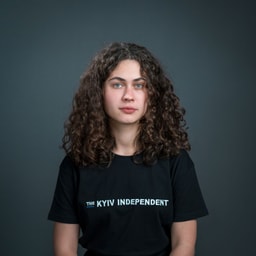
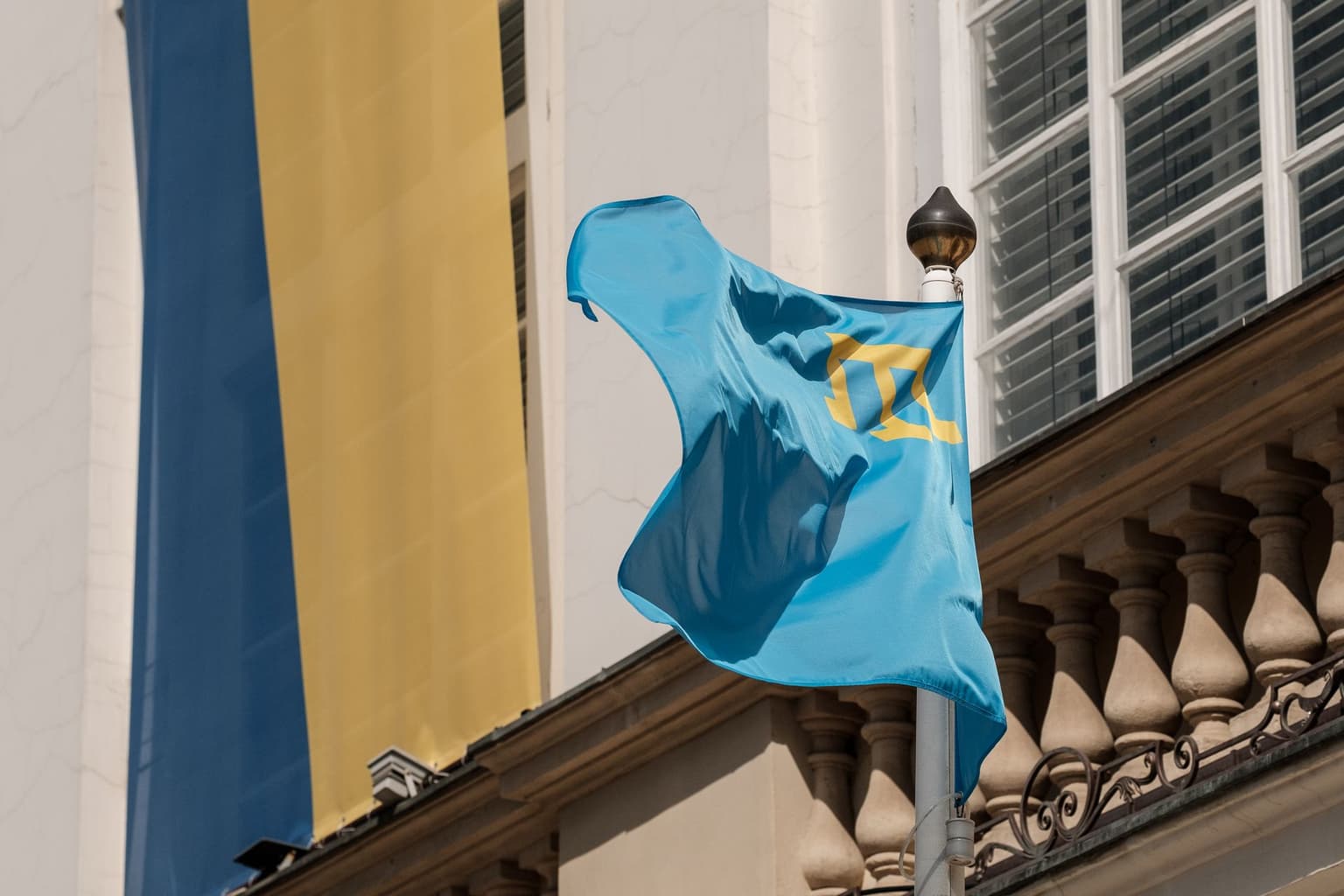
For Lia Gazi, a 24-year-old Crimean Tatar activist in exile, the second half of May each year signifies both personal and collective tragedy — the forced deportation and genocide of the Crimean Tatar People.
Over the course of two days in 1944, from May 18 to May 20, the Soviet secret policy forcibly deported over 190,000 indigenous Crimean Tatars across thousands of kilometers from Crimea to Central Asia. Members of Gazi's family were among the victims.
"Strangers still live in our homes today, and the scariest thing is that the impunity surrounding these crimes allows them to happen again and again," Gazi told the Kyiv Independent.
The deportation of Crimean Tatars was carried out under direct orders from Soviet dictator Joseph Stalin, who labeled the entire Crimean Tatar population as traitors following the peninsula's liberation from Nazi occupation. An estimated 8,000 Crimean Tatars died in the process.
Decades have passed since Gazi's ancestors were deported, and now history appears to be repeating itself: In Crimea, occupied since 2014, and other occupied territories, Crimean Tatars now face political repression and persecution, as well as erasure of their identity and history.
Ukraine's Foreign Ministry said that, as of March 16, Russia was holding nearly 300 people from Crimea captive on politically motivated, trumped-up charges, including 159 Crimean Tatars.
Refat Chubarov, chairman of the Mejlis, the representative body of the Crimean Tatar people, said on May 18 that persecution and repression in Crimea are a direct continuation of Russia's genocidal policy aimed at destroying the Crimean Tatar people
"Mass searches, arrests, politically motivated persecution, enforced disappearances, the ban on Mejlis activities, and deliberate efforts to destroy Crimean Tatar culture and identity are a direct continuation of Russian imperial policy," Chubarov said.

Gazi said that during Russia's 12-year occupation of Crimea, repression against activists and ordinary civilians has only intensified, and, since the start of the full-scale invasion, Russian authorities have also begun to target the Crimean Tatar diaspora in Russian-occupied parts of Kherson Oblast.
"This is precisely how this regime survives: through constant terror that instills fear in people," Gazı said.
In the days before Ukraine marked the Day of Remembrance for Crimean Tatar genocide on May 18, police in occupied Crimea visited the homes of activists Lutfiye Zudieva, Mumine Salieva, and Lila Gemedzhi, warning them about the consequences of holding "unauthorized rallies", the Crimean Solidarity movement reported on May 15.
Gazi also said that the Day of Remembrance is of immense significance to her and to all Crimean Tatars, "and that is precisely why Russia fears it so much."
Gazi's friend, who is now in Crimea, wrote to her that it is impossible to commemorate the tragedy there, as even the simplest acts of remembrance and mourning are forbidden.
"In Crimea, you can't even speak aloud about what happened, you can't light a candle, gather together, pray, or honor the memory of the victims. And this makes it all the more painfully clear how they (Russians) are trying to destroy not only our history, but also the very possibility of remembering it," Gazı said.
She added that occupation authorities detain Crimean Tatars almost every week, demonstrating that there are still many people who support Ukraine.
Many of those arrested are sent to prisons in the most remote regions of Russia. And after their release, they are barred from returning to Crimea, which reminds Gazı very much of the fate of her ancestors.
Ukraine's parliament recognized the deportation as genocide in 2015 and established May 18 as the official Day of Remembrance for the Victims of the Genocide of the Crimean Tatar People.
The deportation has also officially been recognized by Poland, the Czech Republic, Canada, Latvia, Lithuania, and the Netherlands as a genocide against the Crimean Tatars.
Note from the author:
Hi! This is Yuliia,
We at the Kyiv Independent are trying to bring more news about Russian-occupied territories. If you have any questions regarding the occupied territories, write to me by email, and we would be happy to answer them. And consider joining our community to support this work.