Belarusian parliament approves new law targeting LGBTQ+ expression and childfree lifestyles
 on Google
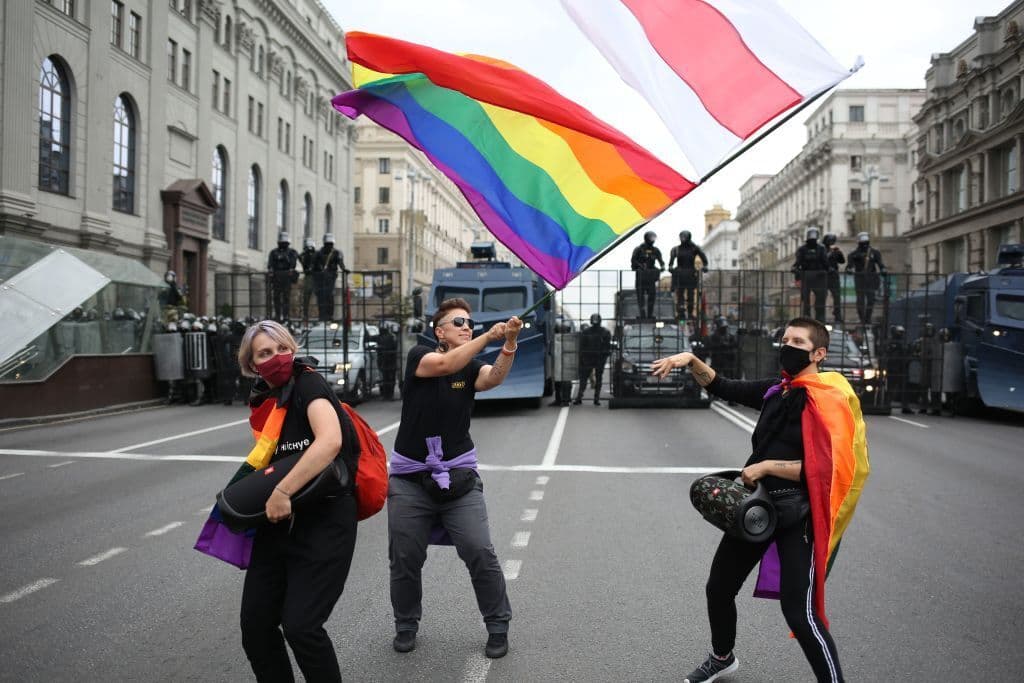
Belarusian lawmakers have approved a bill introducing penalties for what authorities describe as the "promotion of homosexuality, gender transition, childlessness, and pedophilia," further tightening restrictions on LGBTQ+ expression in the country.
The upper house of parliament approved the legislation on Thursday after it passed the lower house last month, and the bill is now awaiting the signature of President Alexander Lukashenko, who is expected to sign it into law.
Under the proposed law, individuals accused of promoting such ideas could face fines, community service, or up to 15 days of administrative arrest.
Belarus decriminalized homosexuality in 1994 after the collapse of the Soviet Union, but the country does not recognize same-sex marriage and offers no legal protections for LGBTQ+ people.
Human rights groups say LGBTQ+ organizations in Belarus have been shut down, and security forces regularly conduct raids on nightclubs hosting private gay events. Activists also allege that the country’s security service, still known as the KGB, has blackmailed LGBTQ+ individuals into cooperating with authorities.
Activist group TG House documented at least 12 cases of persecution against LGBTQ+ people in Belarus over the past three months, including a police raid on a nightclub in Minsk during a private party.
Advocates warn the new legislation could be used to justify broader repression, saying law enforcement agencies will now have legal grounds to target LGBTQ+ people.
The law has also raised fears among transgender individuals that they could lose access to necessary medical treatment and legal recognition.
Activists say the legislation mirrors similar repressive laws adopted in Russia, where authorities have banned gender transition in official documents and labeled the LGBTQ+ movement as extremist.
Russian authorities have justified such measures as protecting “traditional values” from what they describe as Western influence and so-called “hybrid warfare” conducted through LGBTQ+ “propaganda.”