Europe

Moldova's parliament approves exit from Russia-led CIS

2 min read
Moldova's parliament approves exit from Russia-led CIS
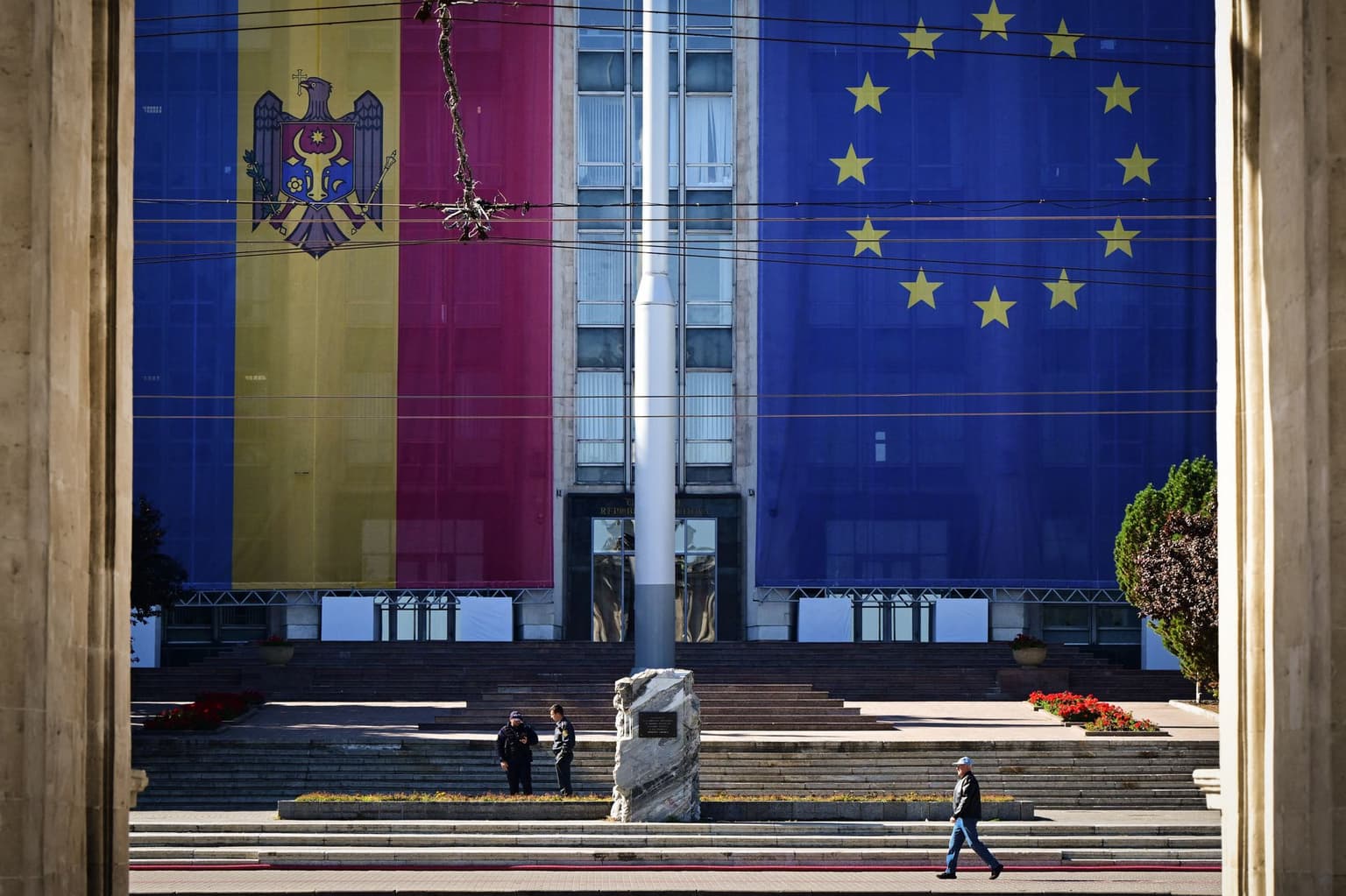
Giant flags of Moldova and the EU are seen on the Government buildings in Chisinau, Sept. 26, 2025, ahead of parliamentary elections. (Daniel Mihailescu/AFP via Getty Images)

The Moldovan parliament approved withdrawing from the Commonwealth of Independent States (CIS) in the second reading on April 2, as the country moves to sever ties with the Russia-led bloc.

Sixty Moldovan lawmakers gave final approval to denouncing the CIS's founding agreement, its protocol, and its charter.

The move is a "natural and inevitable step towards European integration," the parliament said in a press release.

Under President Maia Sandu and her Party of Action and Solidarity (PAS), Moldova has strengthened ties with European partners on the path toward potential EU membership while distancing itself from Russia.

The CIS is an intergovernmental organization established to formalize economic and diplomatic ties among the former Soviet states. Several countries, including Ukraine and Georgia, have left the bloc.

The Moldovan Foreign Ministry initiated the exit from the CIS by arguing that Russia has violated its key principles by "waging war against Ukraine, threatening Georgia, and illegally maintaining its troops on Moldovan territory."

Russia has occupied the Moldovan region of Transnistria since a war in the 1990s, maintaining a contingent of troops in the area.

The Moldovan parliament previously supported the exit in the first reading on March 20.

The motion should now be approved by the Moldovan president, and a formal notification must be sent to the CIS Executive Committee at least 12 months before the withdrawal takes effect.

Chisinau announced its intention to leave the bloc after the full-scale invasion of Ukraine, prompting criticism from Moscow.


Avatar
Martin Fornusek

Reporter

Martin Fornusek is a reporter for the Kyiv Independent, specializing in international and regional politics, history, and disinformation. Based in Lviv, Martin often reports on international politics, with a focus on analyzing developments related to Ukraine and Russia. His career in journalism began in 2021 after graduating from Masaryk University in Brno, Czechia, earning a Master's degree in Conflict and Democracy Studies. Martin has been invited to speak on Times Radio, France 24, Czech Television, and Radio Free Europe. He speaks English, Czech, and Ukrainian.

Read more
News Feed

During a meeting with Energy Minister Denys Shmyhal on July 12, President Volodymyr Zelensky stressed the need to take additional "more decisive" steps to protect Ukraine's energy infrastructure and emphasized the importance of robust winter preparedness plans for communities and regions.

 (Updated:  )

Yulia Svyrydenko, who replaced former Prime Minister Denys Shmyhal in July 2025, will now take on a new role leading cooperation with Ukraine’s key partners, Zelensky announced on social media.

Video

Once promoted by the Kremlin as a symbol of Russia’s resurgence and a premier tourist destination, the peninsula now faces mounting pressure from Ukrainian drone strikes targeting military infrastructure, logistics, and supply routes.

President Volodymyr Zelensky said on July 11 that he is preparing changes to Ukraine’s “diplomatic efforts” to accelerate weapons deliveries from allies, as Ukraine's stockpile of Patriot air defense missiles has run dry.

Show More