Zelensky details expectations for upcoming trilateral peace talks with Russia, US
 on Google
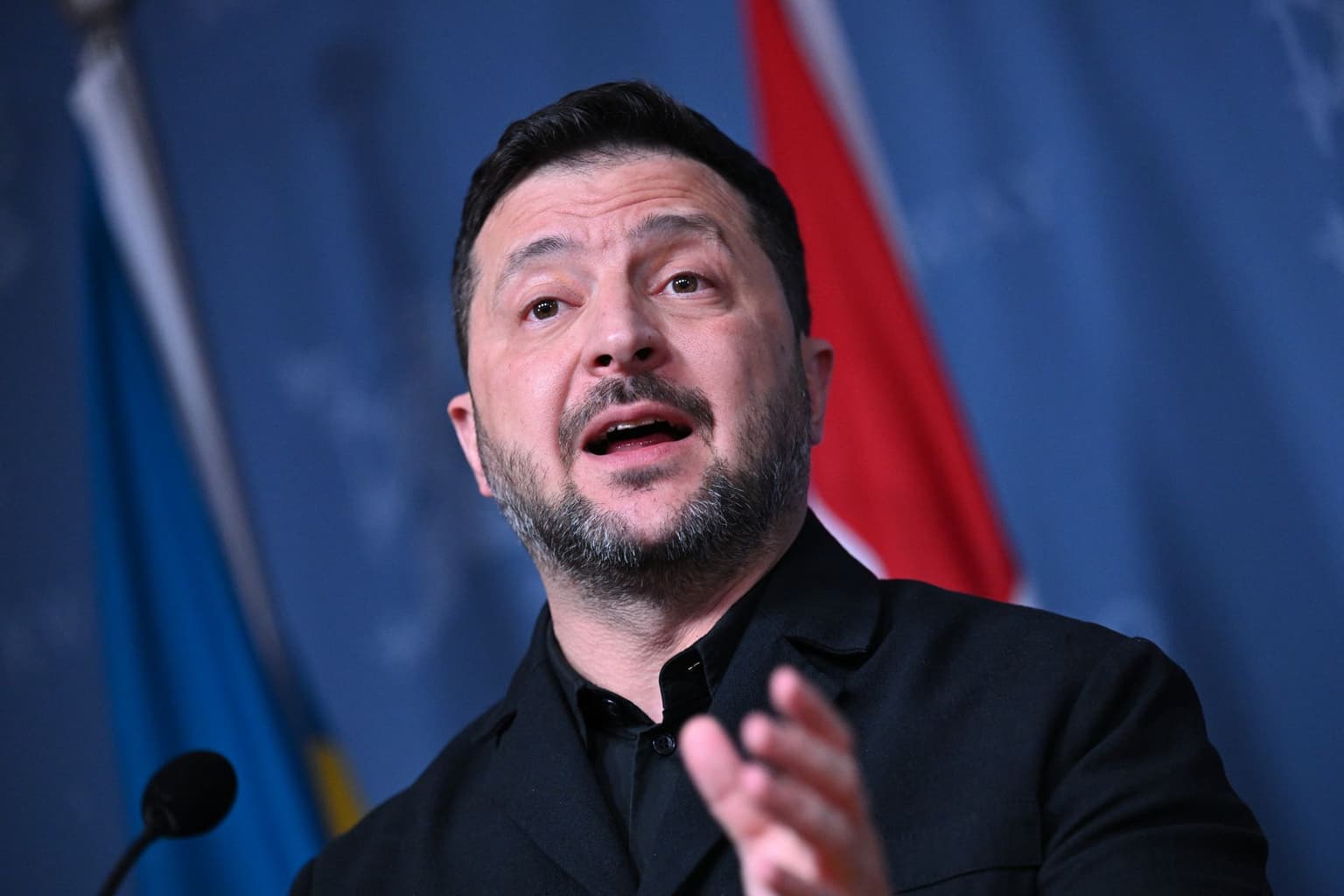
President Volodymyr Zelensky outlined his expectations for upcoming trilateral peace negotiations, and discussed air defenses and the planned ceasefire in the Russian-occupied town of Oleshky in an interview on Oct. 25.
In an exclusive interview with Alla Mazur, host of "TSN The Week," Zelensky detailed Ukraine's readiness to meet with Russian and American teams for peace negotiations scheduled for early November.
Above all, Zelensky stressed the need for robust security guarantees for Ukraine in any deal aimed at ending the war.
"Our security guarantees are our guarantees, and they cannot be dictated by the Russian side," Zelensky said. "Restrictions on our army and Ukraine's neutrality are not up for discussion."
The question of NATO's involvement in Ukrainian security will "undoubtedly" come up in the negotiations, Zelensky said. The president suggested that if Ukraine is not allowed to join NATO, European countries and the U.S. should agree to extend the body's Article 5 defensive pact to Ukraine. Ukraine would also need to maintain a strong army after a peace deal is reached.
"The best, in my opinion, is NATO plus a strong Ukrainian army, as part of the alliance," Zelensky said. "If I have enough finances, I want to keep the army of 800,000 people. We decide for ourselves what our army will be. If we are in NATO, the number can be 800,000 or less. But it will be a question of who is willing to finance or co-finance with us."
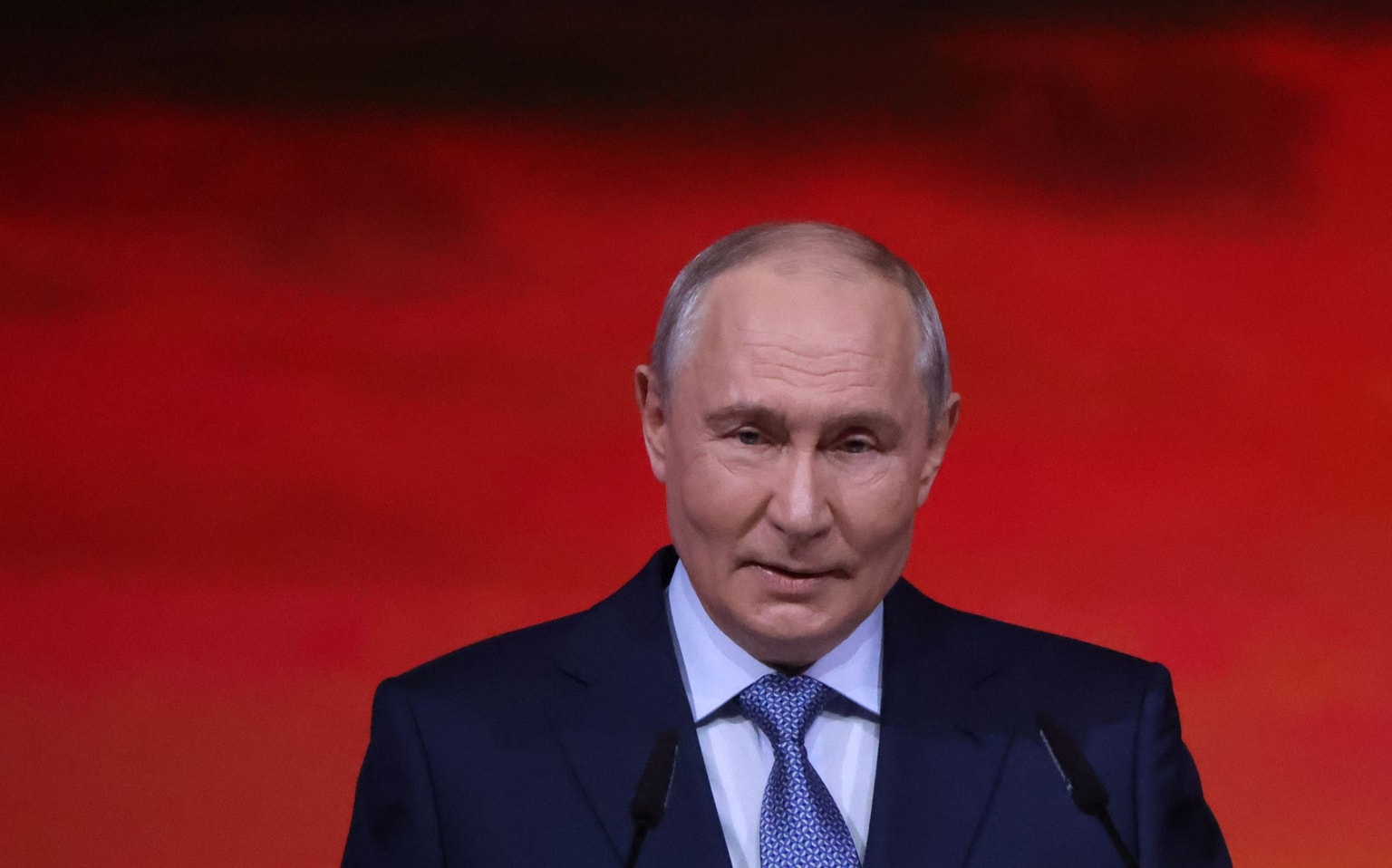
Before a meeting between Zelensky, Russian President Vladimir Putin, and U.S. President Donald Trump can take place, technical talks among the three countries' negotiating teams must be held first, said Zelensky.
"The issue of territory is a red line that can only be discussed at the level of leaders," Zelensky said. "Everyone should understand: first, we are not exchanging anything for anything. We are ready to discuss. If it's a territorial issue, then at the level of leaders. Other issues can be discussed at the level of technical groups."
As part of the negotiations, Zelensky said he was prepared to discuss an energy ceasefire between Russia and Ukraine, establishing a new deal to protect grain shipments in the Black Sea, and prisoner exchanges.
"Energy, grain, and people – these are the specifics," Zelensky said. "A meeting at the level of leaders is an opportunity to achieve those specifics after our trilateral meeting. That's what we are asking for and offering."
Zelensky said that by offering these points for negotiation, a refusal by the Russian team to engage on the items will help expose whether the Kremlin is serious about peace with Ukraine or not.
"We are not demanding, but rather offering this to the American side," Zelensky said. "That would demonstrate seriousness. But if it's just a political maneuver and Putin is simply saying, 'Yes, I'm ready,' because he doesn't want to escalate tensions with America before the [midterm] elections, we will very quickly see in November whether it was a trick or not."
The president also warned that loosening sanctions on Russia before the negotiations would weaken Ukraine's leverage. This follows Trump waiving sanctions on Russian oil exports in October in an attempt to ease oil prices heightened by his war with Iran.
"I don't want us to be left without tools – without sanctions, without money, or without frozen assets – at the meeting with Putin," Zelensky said. "Because then, as Mr. Trump said, we will really have very few cards in our hand."
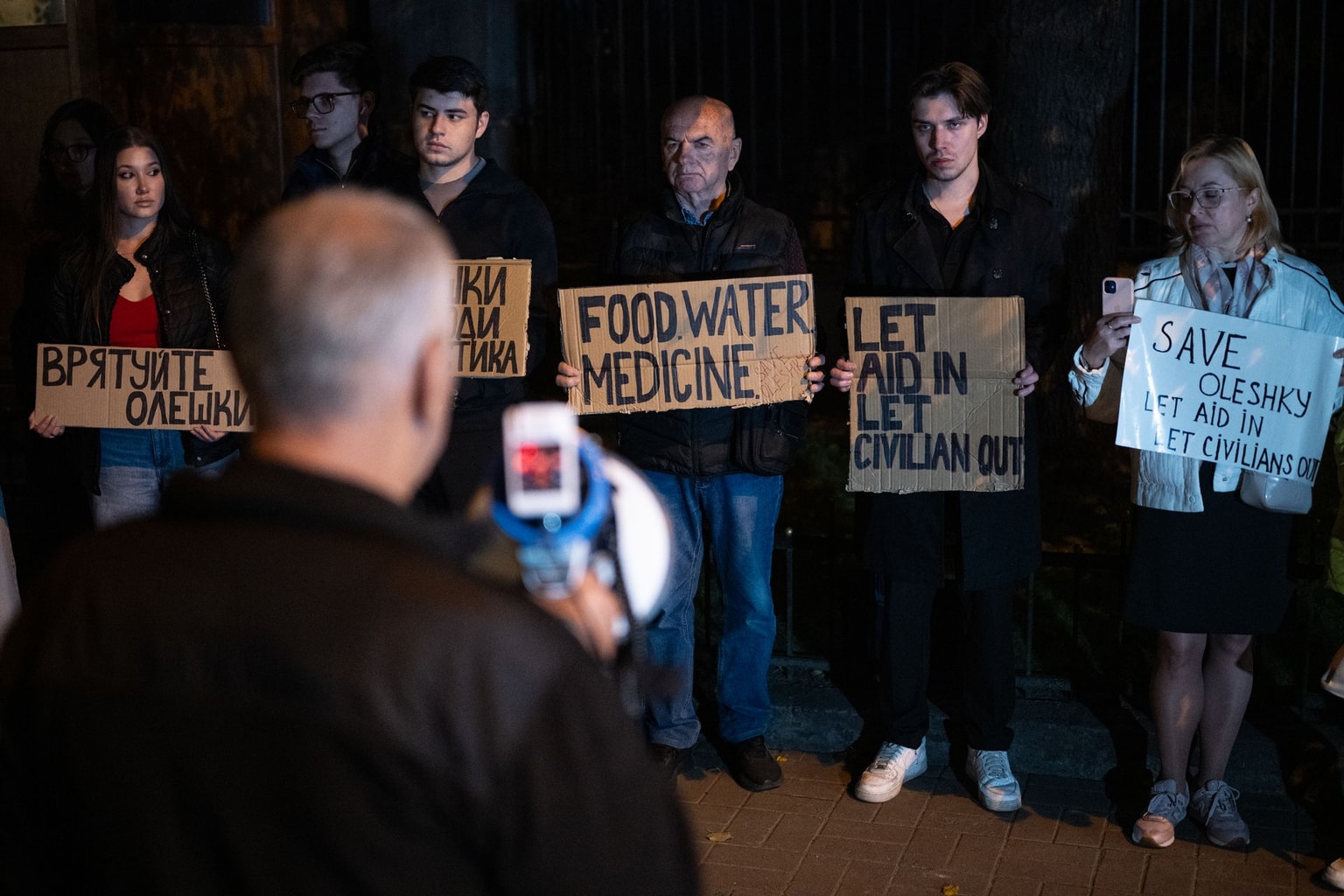
Turning his attention to the Russian-occupied town of Oleshky, Zelensky said that the planned Oct. 27 ceasefire would need to last several days and include Russian assistance.
Oleshky has been under Russian occupation since the early days of the full-scale invasion. Residents face severe shortages of food, water, and electricity, while mined roads and constant drone attacks make safe evacuation virtually impossible.
"Of course, Russia will do everything it can to clear the roads in a way that encourages people to go towards Russia and stay there; they won't simply let people go," Zelensky said. "Some people will be evacuated to Ukraine – to the part that we control – in one format or another. The most important thing is to unblock the people so they can live. Ideally, they should be able to reach their destination and evacuate here, to us, to Ukraine, where they will receive everything they need and be supported."
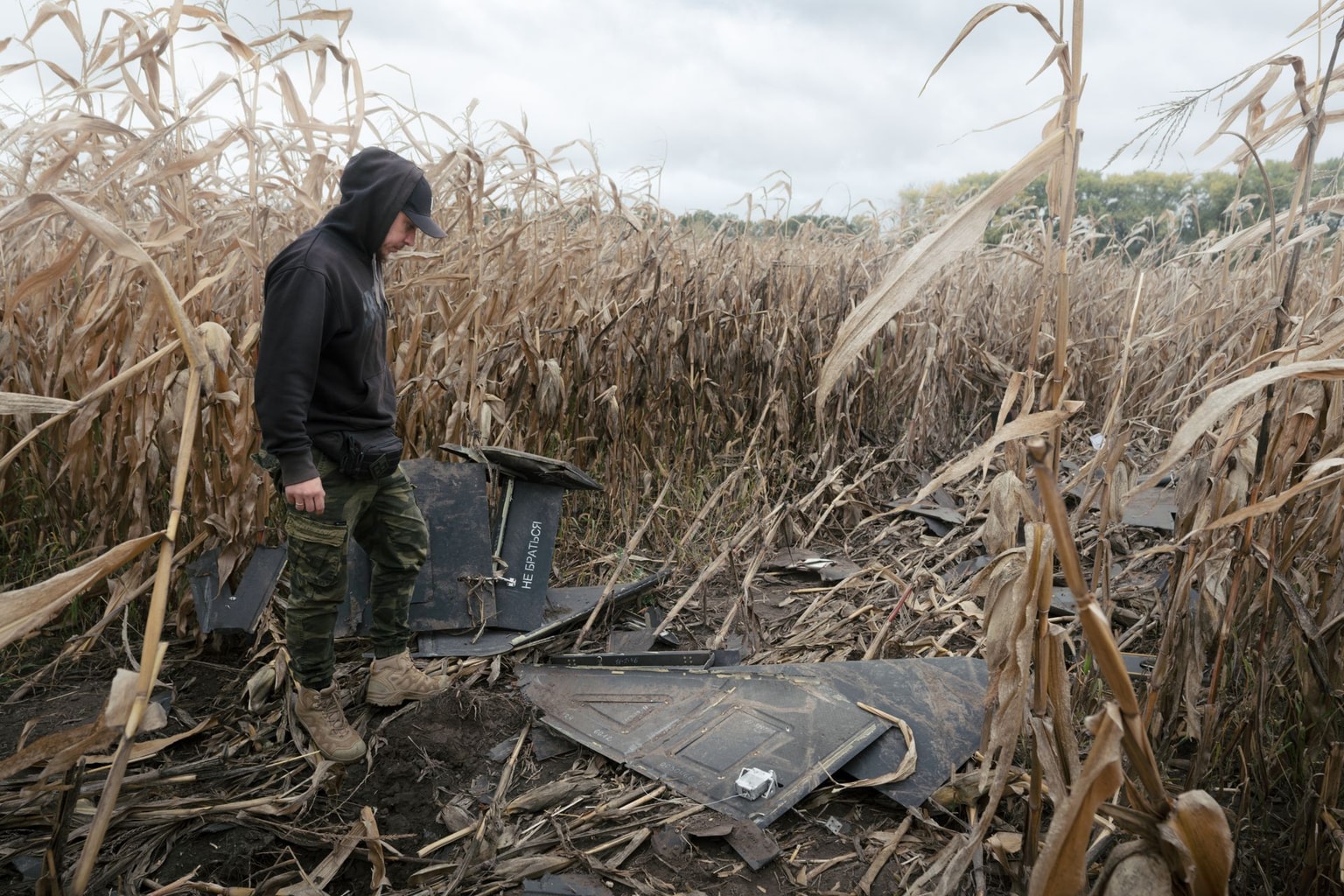
Zelensky also detailed his conversations with U.S. envoy Steve Witkoff in Oslo, Norway, in October that set the stage for the planned round of trilateral negotiations. In meeting with Witkoff, Zelensky said they discussed limits placed on Ukraine's Starlink military systems, restrictions on intelligence the U.S. shares with Kyiv, and air defense shortages.
While the issues plaguing Ukrainian forces' use of Starlink systems and the matter of American intelligence sharing have been resolved for now, Zelensky stressed that Kyiv still lacked key air defense assistance.
"There is progress; it's just very slow," Zelensky said. "It's not enough to simply say, 'Yes, we will give [Patriot missiles] to you,' and then not deliver them for a month or two. That simply doesn't work."