Trilateral peace talks with Russia, US negotiators to begin in November, Zelensky says
 on Google
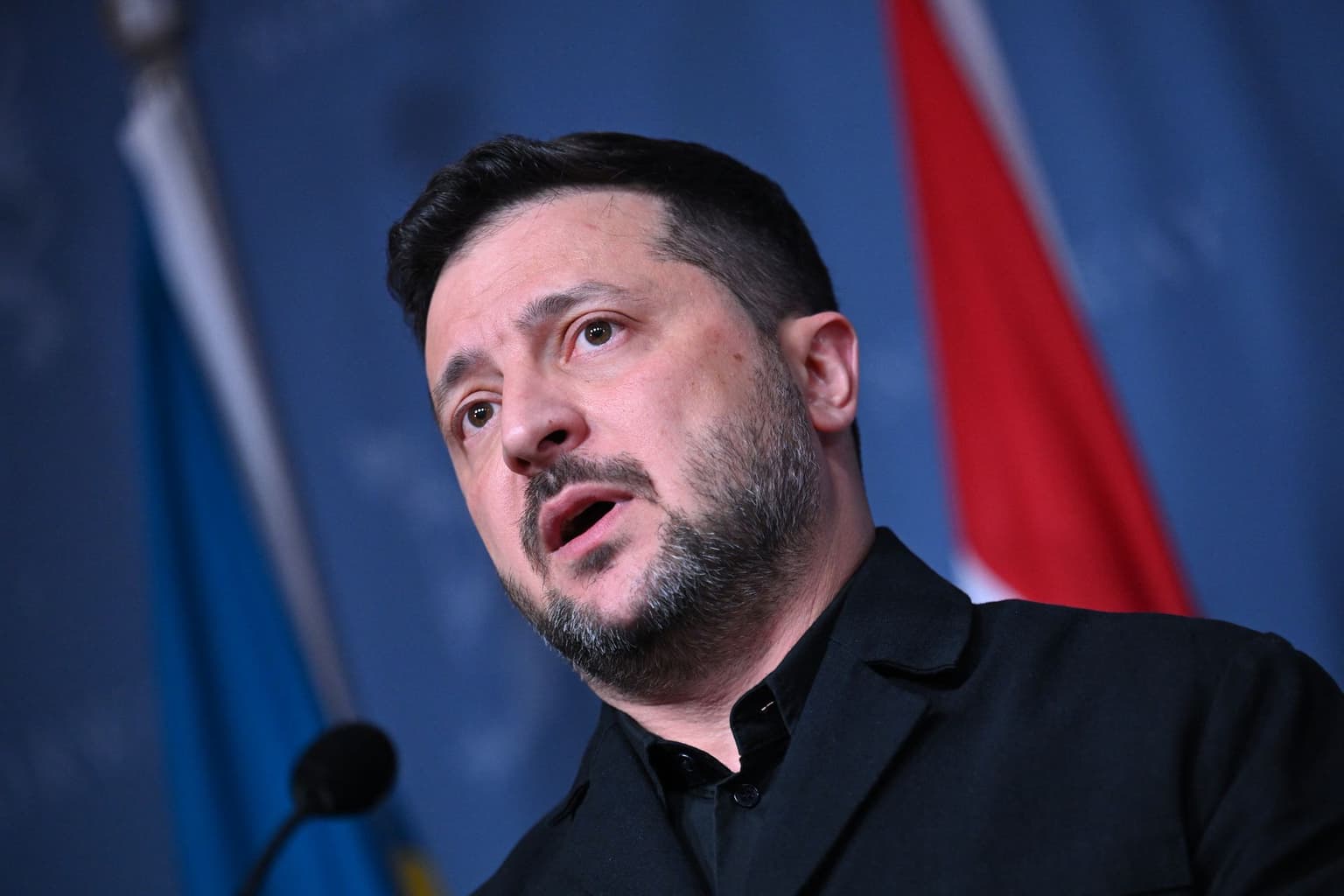
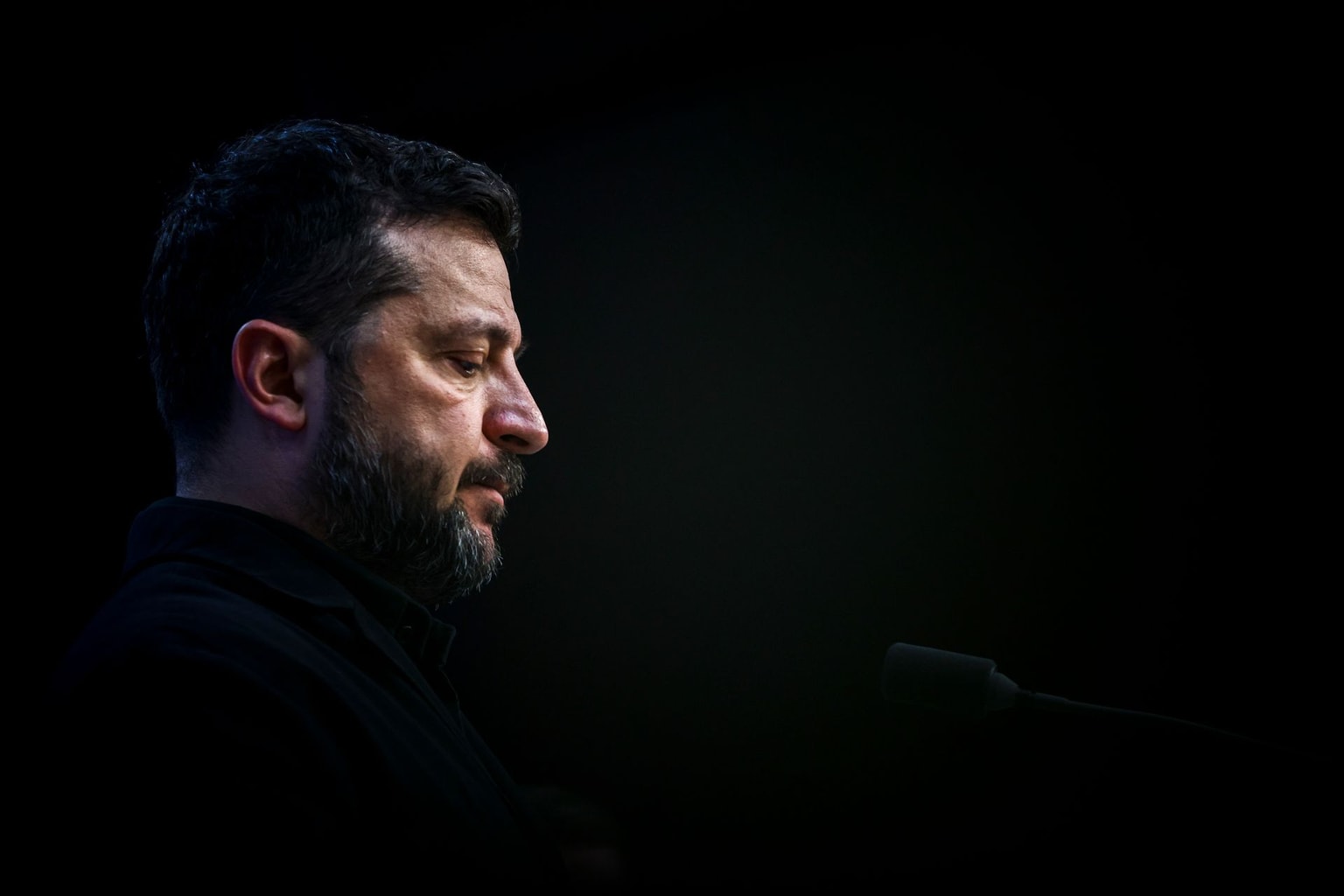
Negotiation teams from Ukraine, Russia, and the U.S. will meet in Abu Dhabi in November to begin peace talks, President Volodymyr Zelensky said on Oct. 23.
"The plan is to meet in the first half of November and as early as possible, of course, but we are ready to meet any day, even tomorrow," Zelensky said in an address to the Hudson Institute think tank via a video call. "But it all depends on the Russians. We expected a trilateral meeting this October too, but it didn't happen because the Russians came up with another reason not to meet."
The peace discussions will begin at the technical level with negotiation teams, Zelensky said. If those efforts prove productive, then meetings between Zelensky, Russian President Vladimir Putin, and U.S. President Donald Trump will be held.
"We need to move from trilateral negotiations at the technical level to a meeting of leaders, because the key issues can only be resolved at that level," Zelensky said.
Zelensky stressed the importance of including robust security guarantees for Ukraine in the negotiations and including Europe in the talks. Following any peace deal, a large Ukrainian army would need to be funded for at least 10 years, said Zelensky.
Arriving late to the address, Zelensky said he had just finished speaking with U.S. envoys Jared Kushner and Steve Witkoff regarding the negotiations. Earlier this week, Steve Witkoff met with Zelensky in Oslo during a trip to Norway before meeting with Putin.
In the address, the president also discussed restrictions on Ukraine's Starlink military systems.
"The speed restrictions for Starlink and Starshield are still in effect," Zelensky said. "The speed has not been restored. And the supply of interceptor missiles to protect against Russian ballistic missiles is still delayed."
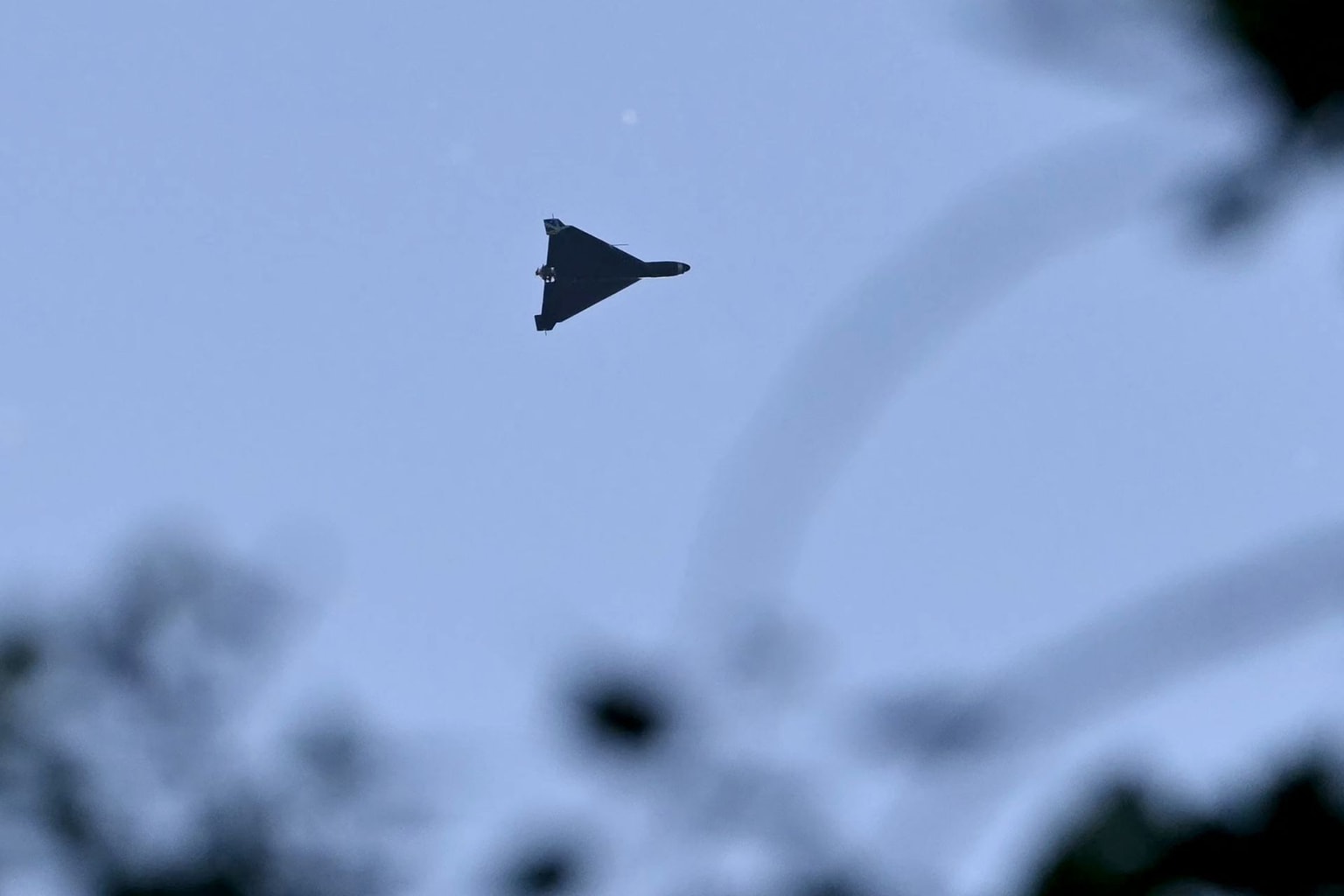
Since mid-October, Starshield, the militarized version of Elon Musk's satellite internet system, Starlink, has been operating at limited capacity. With speed limit caps, Kyiv's ability to defend from deadly Russian jet-powered drones and coordinate strikes against Russian targets has been diminished.
Despite Ukrainian and U.S. officials apparently engaging in discussions to resolve the disruption to Ukrainian communications, nobody has publicly taken credit — or blame — for making or implementing the decision, which is not only politically "toxic" but also could have severe negative commercial implications for SpaceX, the operator of Starshield and Starlink.
Amid deteriorating U.S.-Ukrainian relations, Zelensky told the Hudson Institute that he hoped to strengthen the alliance between Kyiv and Washington.
"I really want our relations between Ukraine and America and with all our other partners to be just as strong as possible," Zelensky said. "Strong, truly friendly and without misunderstandings, of course. Because without America, without a strong America and America that cares about what happens in the world, the world would definitely be a worse place."
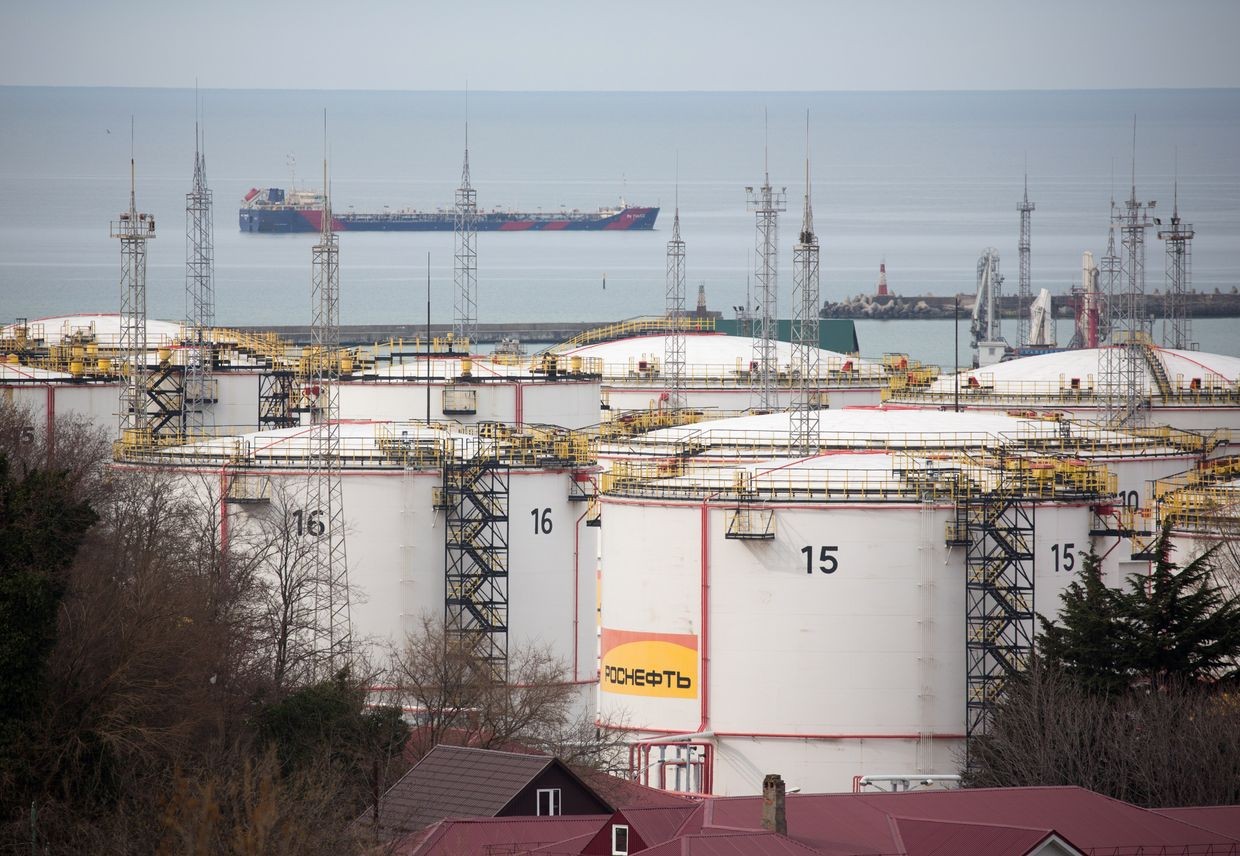
In recent weeks, Trump has lashed out at Zelensky, unilaterally imposed a failed energy ceasefire between Russia and Ukraine, threatened to withhold aid from Kyiv, and lifted sanctions on Russian oil exports.
Trump has defended his easing of Russian sanctions, saying the move could prompt Moscow to join peace negotiations with Kyiv.