War in Iran has used up half of US Patriot and THAAD missile stockpiles
 on Google
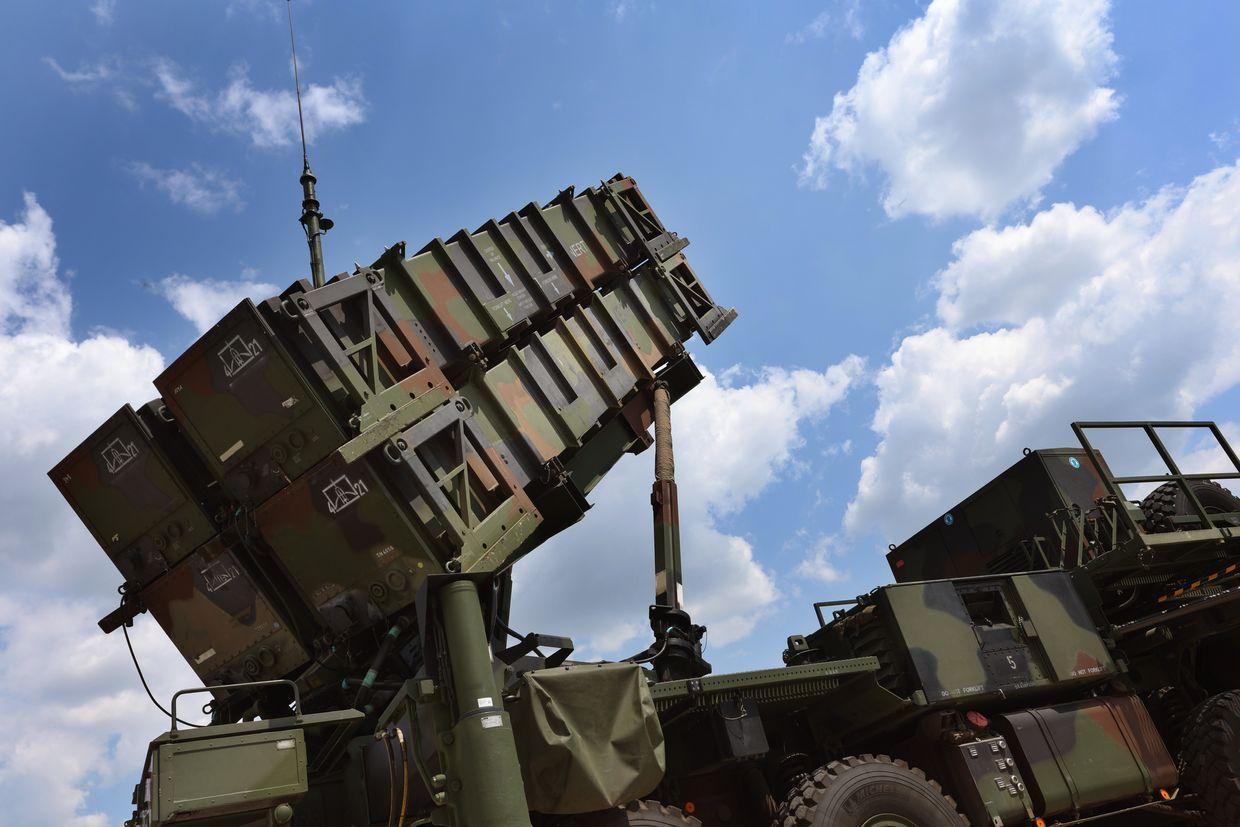
The U.S. has run through over half of its stockpiles of key air defense missiles during the nearly two-month war on Iran.
A new analysis from the Center for Strategic and International Studies (CSIS) published on April 21 breaks down pre-existing stockpiles of U.S. missiles. For Ukraine, the most significant are air defense systems like Patriots, which Ukraine has, and Terminal High Altitude Area Defense (THAAD) batteries, which Ukraine wants.
The U.S. and its allies have, per CSIS, used up between 1,060 and 1,430 missiles for Patriot air defense systems out of pre-war supply of 2,330. When it comes to THAAD ammunition, they estimate between 190 and 290 fired out of a supply of 360.
Ukraine has persistently lamented that the U.S. is using Patriot missiles to shoot down Iranian Shahed drones. Ukrainian stockpiles of Patriot missiles, particularly PAC-3 MSEs, have dwindled precariously, while flocks of up to a thousand Shahed drones and their Russian-made copies will swarm Ukraine in a single night.
Ukrainian developers have as a result developed an arsenal of alternative, cheaper tools for anti-drone air defense, maybe most eye-catchingly anti-drone drones. But when it comes to Russian ballistic missiles like the Iskander-M or Kinzhals, Ukraine remains dependent on outside aid, especially PAC-3 missiles.
Patriot missile maker Raytheon is expanding production of Patriot GEM-Ts in Germany, but those facilities are not yet up and running. Meanwhile CSIS's analysis estimates that PAC-3 MSE missiles take 29 months to contract before even beginning manufacturing.