Trump extends ceasefire with Iran, blockade of Iranian ports to continue
 on Google
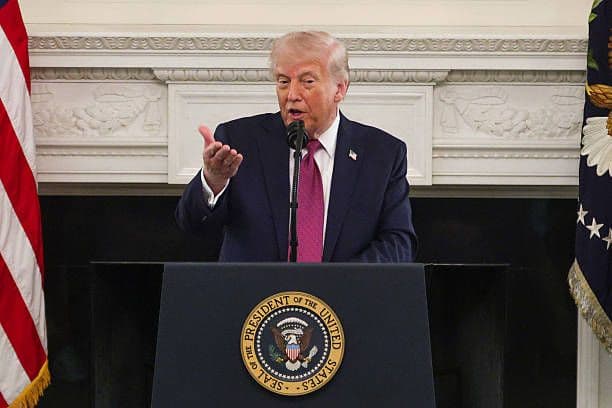
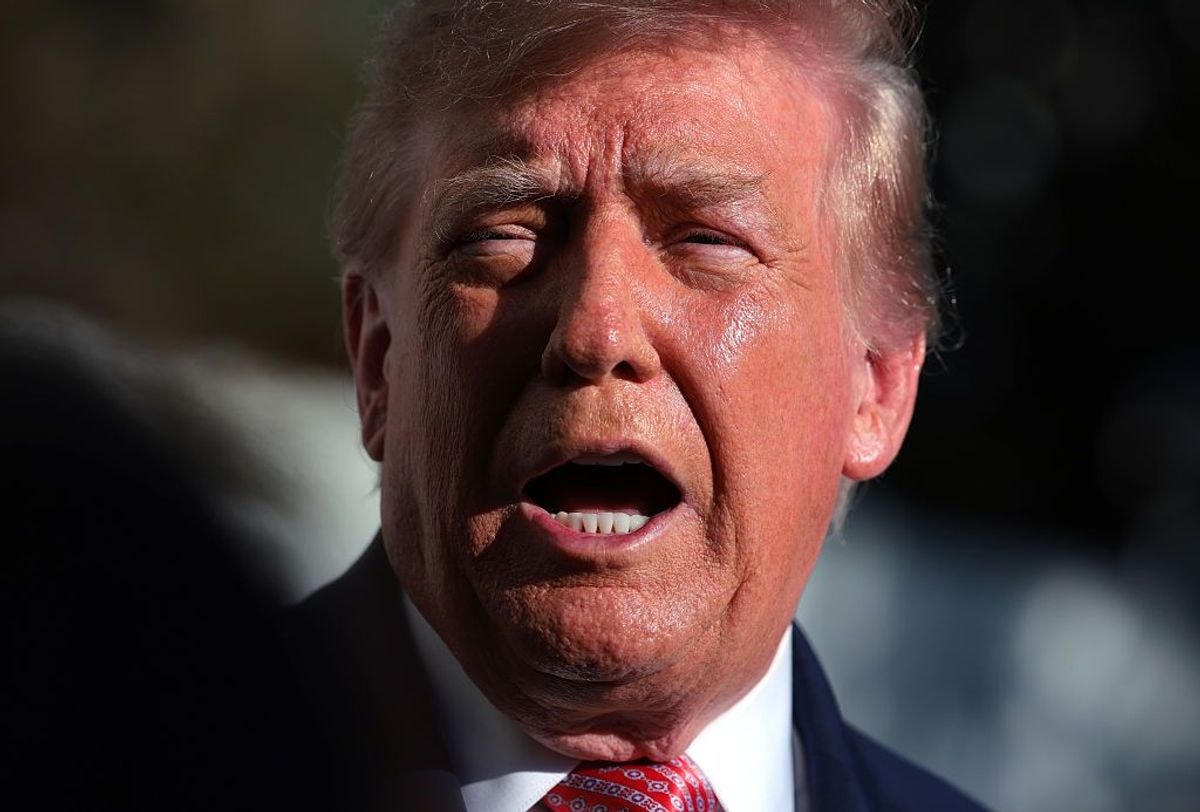
U.S. President Donald Trump announced on April 21 that he was extending Washington's ceasefire with Iran until Tehran "can come up with a unified proposal" to bring an end to the war.
Trump, in a post on TruthSocial, said he was "asked" by Pakistan to extend the ceasefire "based on the fact that the Government of Iran is seriously fractured." The U.S. president added that he has directed the U.S. military to continue the blockade of Iranian ports.
The announcement of the extension comes two weeks after Trump announced his initial two-week ceasefire on April 7, which was set to expire on the evening of April 22.
Amid effort to broker an end to the war, Tehran and Washington previously held negotiations in Islamabad, with U.S. Vice President JD Vance initially expected to depart to Pakistan on April 21 to lead a further round of negotiations.
A White House official told the Kyiv Independent that the trip has been postponed amid Trump's remarks that the U.S. is awaiting a proposal from Iran.
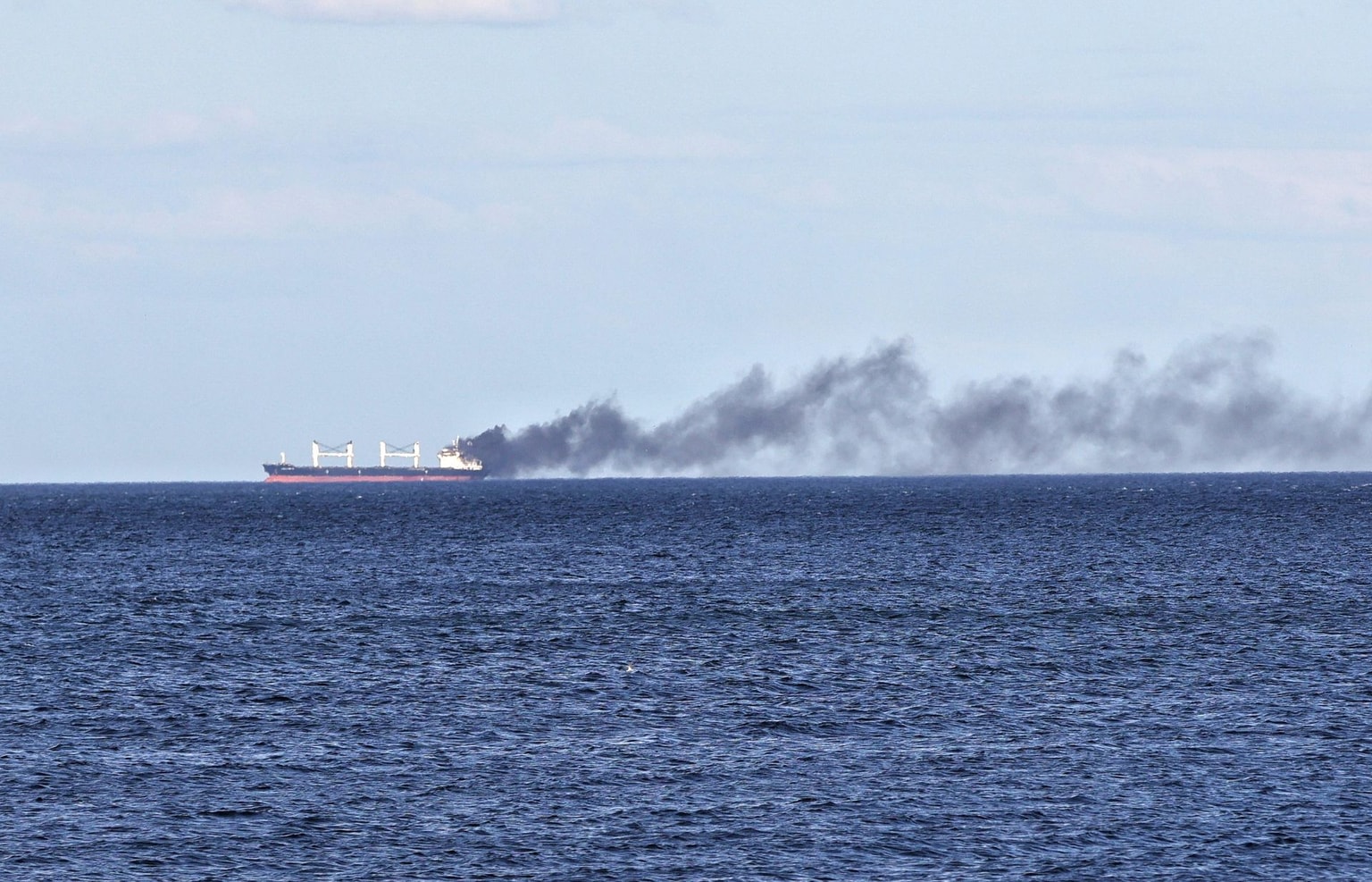
The latest developments in the war come as traffic through the Strait of Hormuz — a key route for global oil and gas shipments — has declined sharply since U.S.-Israeli strikes on Iran began Feb. 28, with Tehran targeting tankers and regional energy infrastructure in response.
About 20% of the world's oil and liquefied natural gas passes through the strait each day, fueling concerns about prolonged disruption to global energy markets.
Brent crude oil, a widely used global benchmark, rose to a peak of nearly $120 a barrel in March, prices last seen in 2022 after Russia's full-scale invasion of Ukraine.
The war in the Middle East has benefited Russia, boosting its revenues through higher energy prices and increased demand for its oil and gas after the U.S. temporarily lifted global sanctions on Russian oil purchases. The waiver initially set to expire on April 11 was extended by the Trump administration until May 16.