US House may fast-track vote on Russia sanctions bill, Ukrainian official says
 on Google


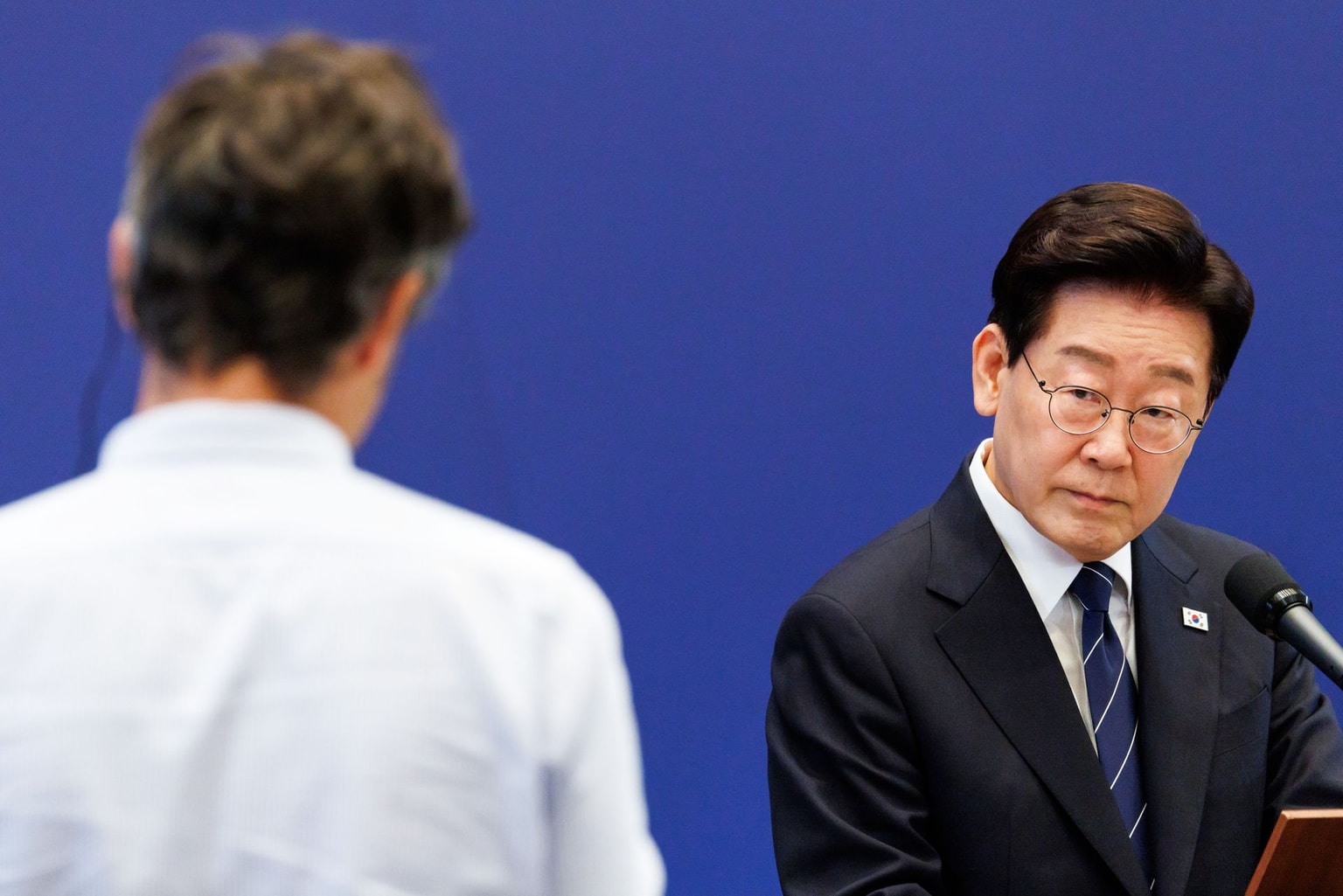
Kyiv is "optimistic" about the chances of the U.S. House of Representatives passing legislation imposing sanctions against Russia, especially if it fast-tracks the voting procedure, Ukraine's Presidential Sanctions Commissioner Vladyslav Vlasiuk said on Sept. 3.
Dubbed the Lindsey Graham Russia Sanctions Act following the death of the late Republican senator, the bill would impose tariffs on countries purchasing Russian oil and gas. The sanctions bill passed in the Senate by an overwhelming majority in early August.
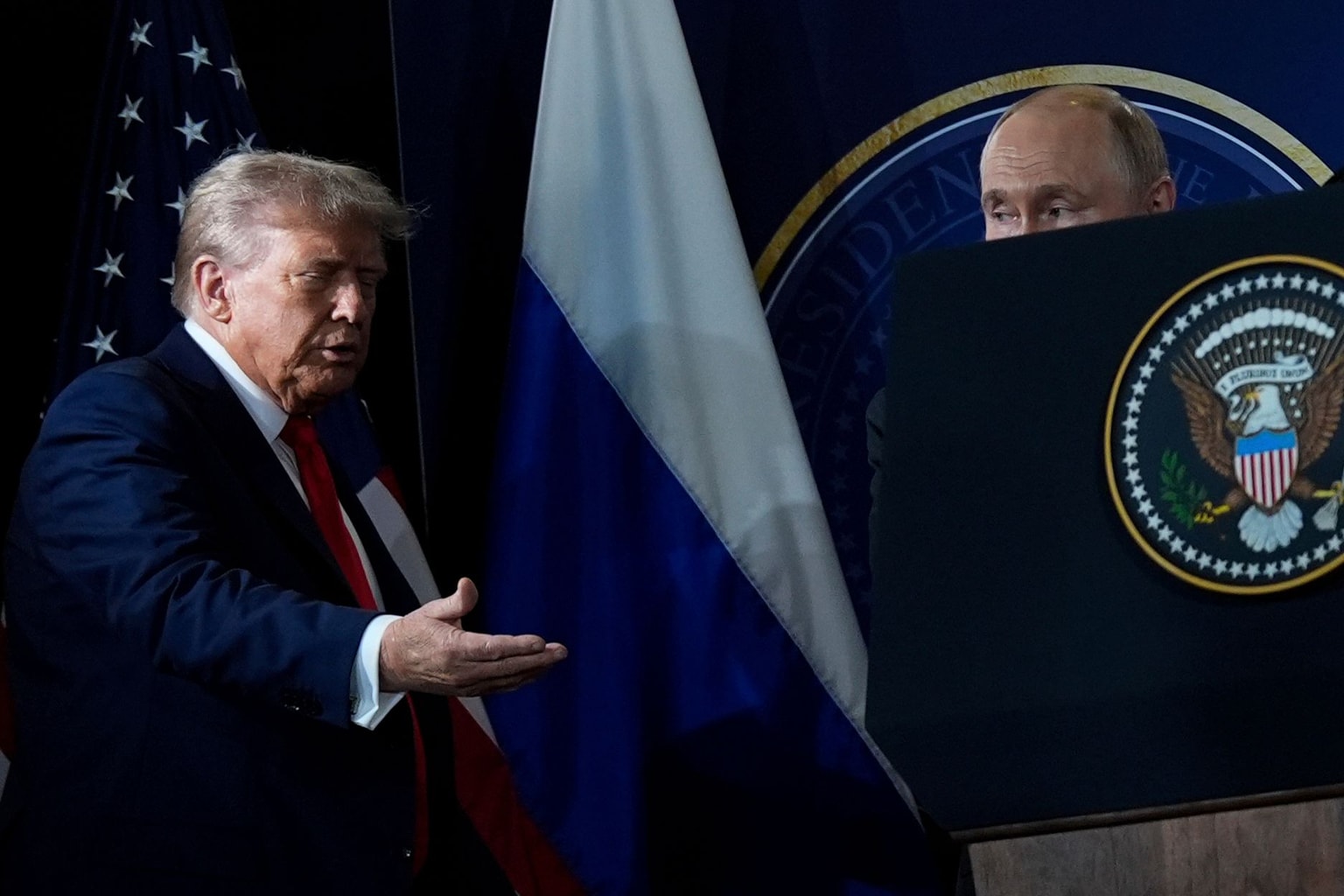
Vlasiuk has been in Washington in recent days to lobby on behalf of the sanctions bill, which faces a much more difficult path to approval in the House. Democrats wary of giving U.S. President Donald Trump additional authority to impose tariffs have expressed opposition, while Republican House Speaker Mike Johnson has shown no urgency in bringing the bill to the floor.
At a briefing at Ukraine's Embassy in the U.S. on Sept. 3, Vlasiuk said that despite these challenges, his meetings with lawmakers from both parties had been promising.
"(E)veryone agreed that it was necessary to increase pressure on Russia. ... No one said that he definitely would not support this bill. Not a single such opinion," Vlasiuk told reporters.
The Ukrainian team is "quite optimistic about the level of support for this legislation," even among Democrats, he added.
Vlasiuk also said that it was possible the House might use a simplified procedure, known as voting "under suspension," to accelerate the bill's approval. A vote under suspension (short for "suspension of the rules") is a fast-track procedure used in the U.S. House to quickly pass non-controversial or bipartisan bills.
"One of the realistic scenarios for further developments is that this bill can be submitted for a vote in a week using a simplified procedure," he said.
"We think that if it is submitted to a simplified procedure, then it has every chance of being adopted."
Vlasiuk also spoke to the inclusion of sanctions against Iran in the bill, a late revision aimed at winning Trump's support for the legislation — and a possible additional hurdle for Democrats.
Ukraine supports Iran's inclusion in the bill, Vlasiuk said, due to Tehran's ongoing military alliance with Moscow.
"Everyone understands how close cooperation is between the military-industrial complex of these countries," Vlasiuk said. "Therefore, Iran is very well-deserved."
The current sanctions proposal calls for tariffs of up to 100% on the world's five largest buyers of Russian oil and gas.
The same maximum tariff would apply to the five countries most involved in helping Russia evade oil sanctions.
Under the draft legislation, the list of the five largest purchasers would be reviewed every 180 days. Countries that import less than 15% of Russia's total natural gas exports and are actively reducing those imports would be exempt.
China, India, and Turkey are currently the largest buyers of Russian oil, while the EU, China, and Turkey are among the largest importers of Russian natural gas.
The legislation would also target Russian President Vladimir Putin and other senior Russian officials, as well as major Russian financial institutions, including the Central Bank, Sberbank, and Gazprombank.
It would further target Russian state-owned companies, foreign entities supporting Russia's defense-industrial base, and major Russian energy projects. The bill also includes measures targeting Russia's shadow fleet, which Moscow uses to continue exporting oil despite Western sanctions, as well as China's support for Russia's defense industry.