US Senate votes to advance Russia sanctions bill in tribute to Lindsey Graham
 on Google


Editor's note: This is a developing story.
The U.S. Senate on July 28 voted to advance the Russian sanctions bill championed by the late Senator Lindsey Graham following his funeral earlier in the day.
The latest version of the bipartisan sanctions bill, unveiled on July 14 shortly after Graham's death, aims to cut off revenues from Moscow's war chest by targeting countries that buy Russian oil and gas.
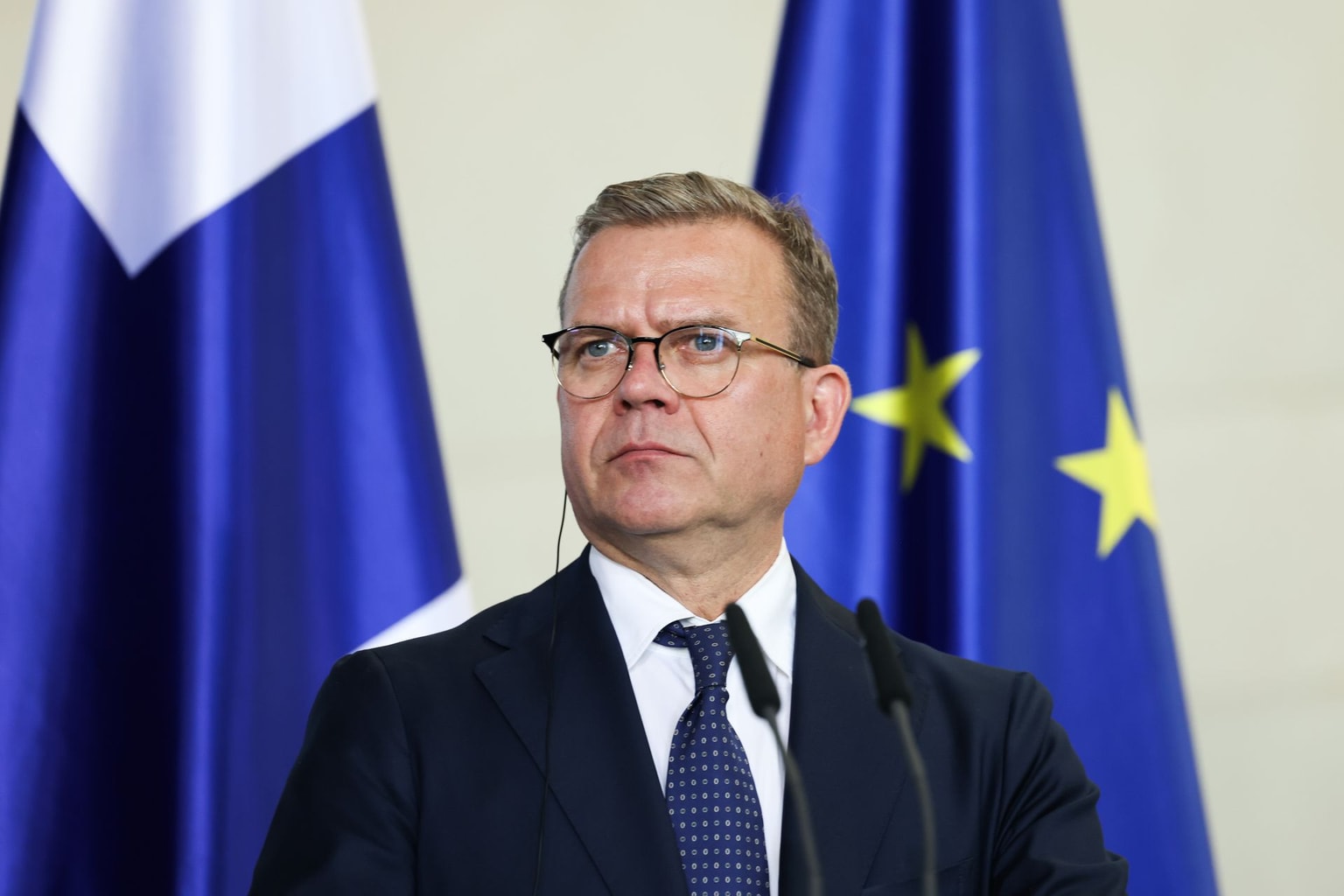
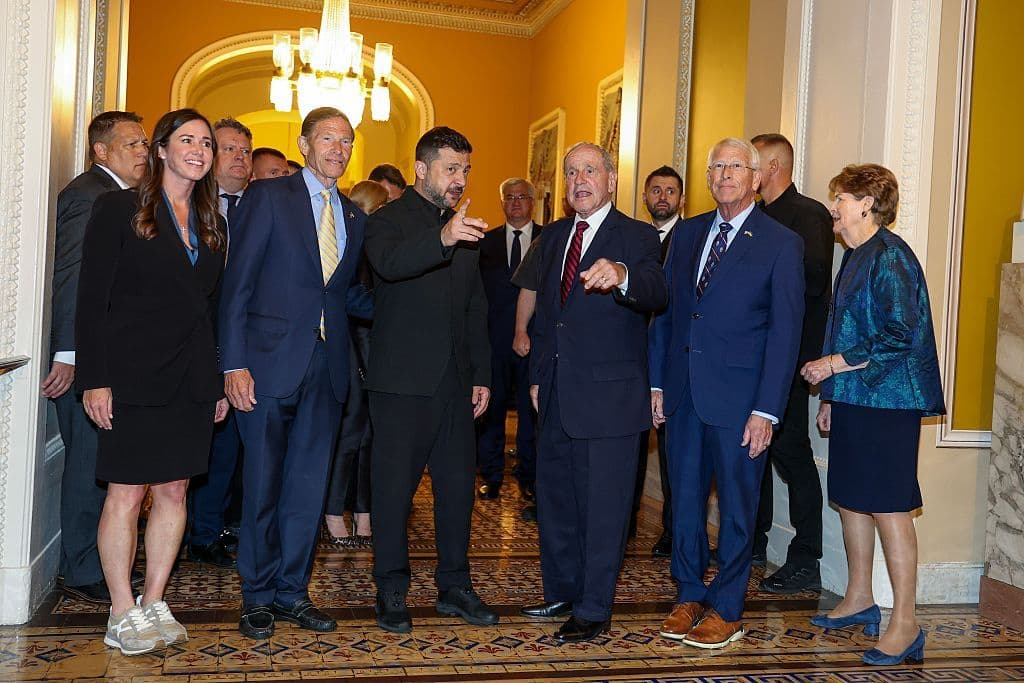
President Volodymyr Zelensky, in Washington to attend Graham's funeral and meet with U.S. President Donald Trump at the White House, attended the vote at the Capitol in person. Along with Finnish President Alexander Stubb, Zelensky met with a group of over 60 senators in a closed-door meeting before the vote.
Journalists waiting outside the Mansfield Room of the Senate building, where the meeting was held, heard rounds of applause at the end of the session. Zelensky then thanked lawmakers for advancing the bill.
"(T)his bill is very important, sanctions against Russia are very important," Zelensky told the press. "It's not only about money that helps Russia wage its war, but it's also a big signal to Europe, Ukraine, and our people, so I'm very thankful."
Senators moved to advance the sanctions bill by a vote of 86-12. It must still clear a series of additional procedural votes before passing in the Senate.
"The visit by President Zelensky is showing us that Ukraine is turning the tide. Ukraine's fight is our fight," Democratic Senator Richard Blumenthal told journalists during a briefing.
"Nobody believed in that more deeply and passionately than Lindsey Graham. He lived it. And this vote is a step forward."

While the bill was supported by a supermajority, the current draft of the sanctions legislation represents a watered-down version of the measures originally proposed by Graham and a bipartisan coalition of lawmakers.
The initial bill called for 500% tariffs on imports from countries purchasing Russian oil, gas, uranium, and other products. A vote on the proposal was continuously delayed, as Trump reportedly opposed the stringent measures.
The updated version scales down the blanket 500% tariff to a maximum 100% tariff on the top five buyers of Russian oil and gas. It applies the same tariff rate to the top five countries that facilitate Russian oil sanctions evasion.
China, India, and Turkey are the world's leading buyers of Russian oil, while the EU, China, and Turkey top the ranking in natural gas purchases.
The amended legislation emerged from negotiations between the White House and Graham, who said shortly before his death that he had secured the Trump administration's support for the proposal.
The revised bill now also includes sanctions against Iran, per Trump's demand.
Most of the 12 senators who voted against advancing the updated bill were Democrats. While U.S. Democrats tend to broadly support aid to Ukraine and sanctions against Russia, some lawmakers from the party have raised concerns about the tariff powers the bill grants Trump.
The shoehorning of Iran sanctions into the legislation may also present a hurdle, as Democrats in congress strongly oppose Trump's ongoing war in the Middle East.
Still, following the vote, senators from both parties praised the legislation for putting additional pressure on Russia.
Democratic Senator Jeanne Shaheen called the bill "a very targeted piece of legislation that is designed to cut off the money that is fueling this war from Russia," while "imposing both tariffs and sanctions."
"We walked down there and did something. We showed the world that we stand for peace, we stand for strength, and we stand for Ukraine," Republican Senator Katie Britt said at the briefing.
"So, I am hopeful that when we get across the finish line, the House will come back immediately and pass this legislation."
Days before the vote, the bill gained enough support to overcome a Senate filibuster, with at least 61 co-sponsors, including 39 Republicans and 22 Democrats, one person familiar with the matter previously told the Kyiv Independent.
"As Ukraine defends its homeland, Vladimir Putin callously sends the sons of Russia into bloodshed... I have made no secret of my complete disgust of the dictator Vladimir Putin," Republican Senator Roger Wicker said in support of the bill ahead of the July 28 vote.
Earlier in the day, Zelensky and Trump held a face-to-face meeting at the White House, where they discussed Ukraine's pending license to produce Patriot interceptor missiles and reviving the peace process with Russia.
Following the meeting, Presidential Office Head Kyrylo Budanov said that Kyiv and Washington had agreed to "intensify the negotiation process at all levels."