French far-left presidential candidate Melenchon blames Ukraine's deep strikes for war escalation
 on Google
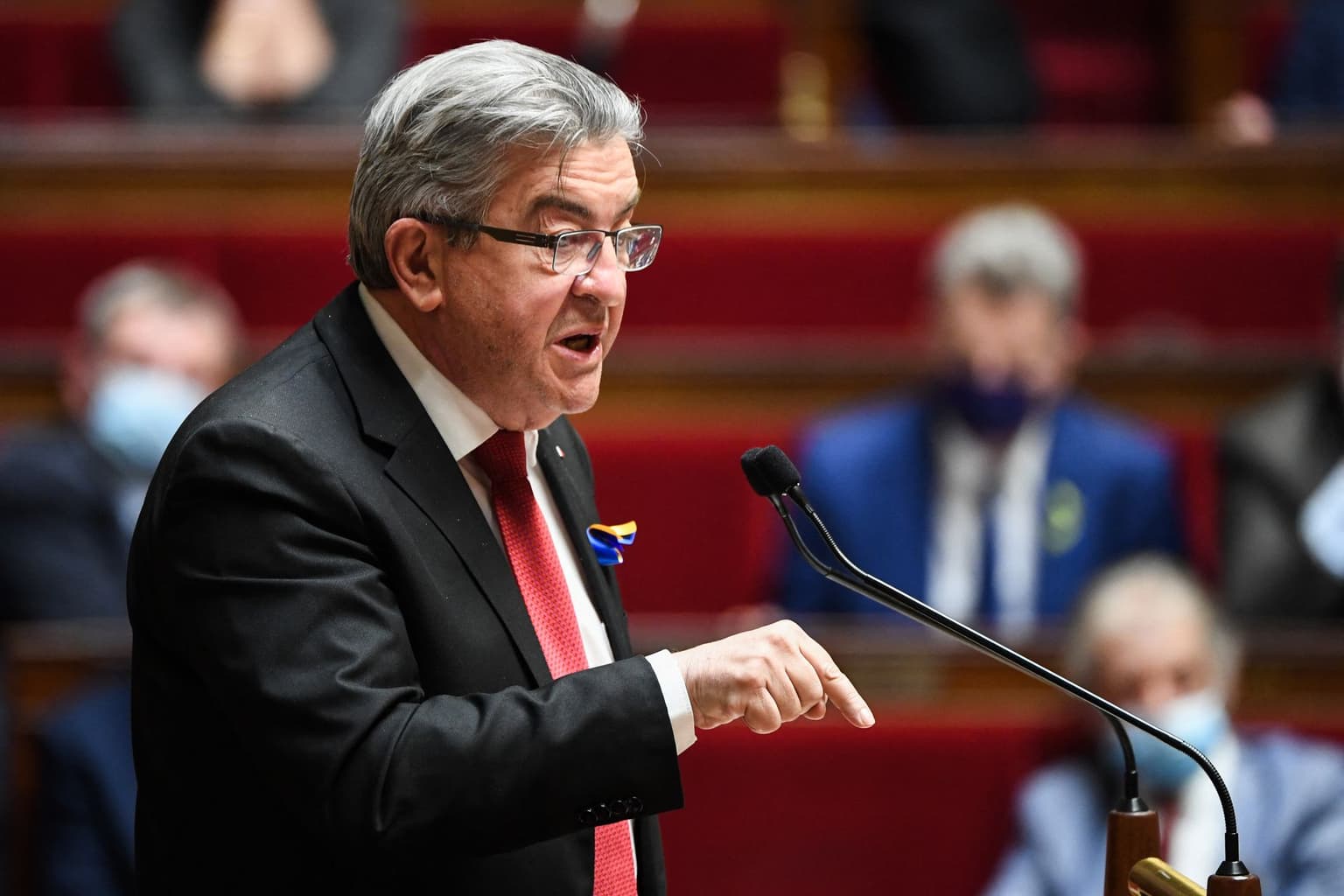
France's far-left leader Jean-Luc Melenchon sought to reaffirm his opposition to Russia's invasion — even as he blamed Kyiv for escalating the war by drone strikes.
French voters are set to elect a new president in April 2027, with incumbent President Emmanuel Macron nearing the end of his two terms in office and, therefore, ineligible to run again.
Marine Le Pen, leader of the far-right National Rally (RN), consistently polls first, while Melenchon, presidential candidate for the far-left France Unbowed, is also gaining ground.
Both candidates have come under fire over supposedly favorable views toward Russia and have attempted to challenge that image.
Melenchon on Sept. 23 posted a video of himself speaking about Russia's war on Ukraine, with the accompanying message: "From the very first day we have condemned Russia's invasion of Ukraine."
"We demand the withdrawal of Russia from Ukraine," the message continues.
However, Melenchon makes comments in the video suggesting that Kyiv shares the blame for the escalation of the war.
"We hear a lot about the threat posed by Russia... but what worries us is that no one seems concerned about why the threat from Russia appears greater today than it did some time ago. Why?" Melenchon asked.
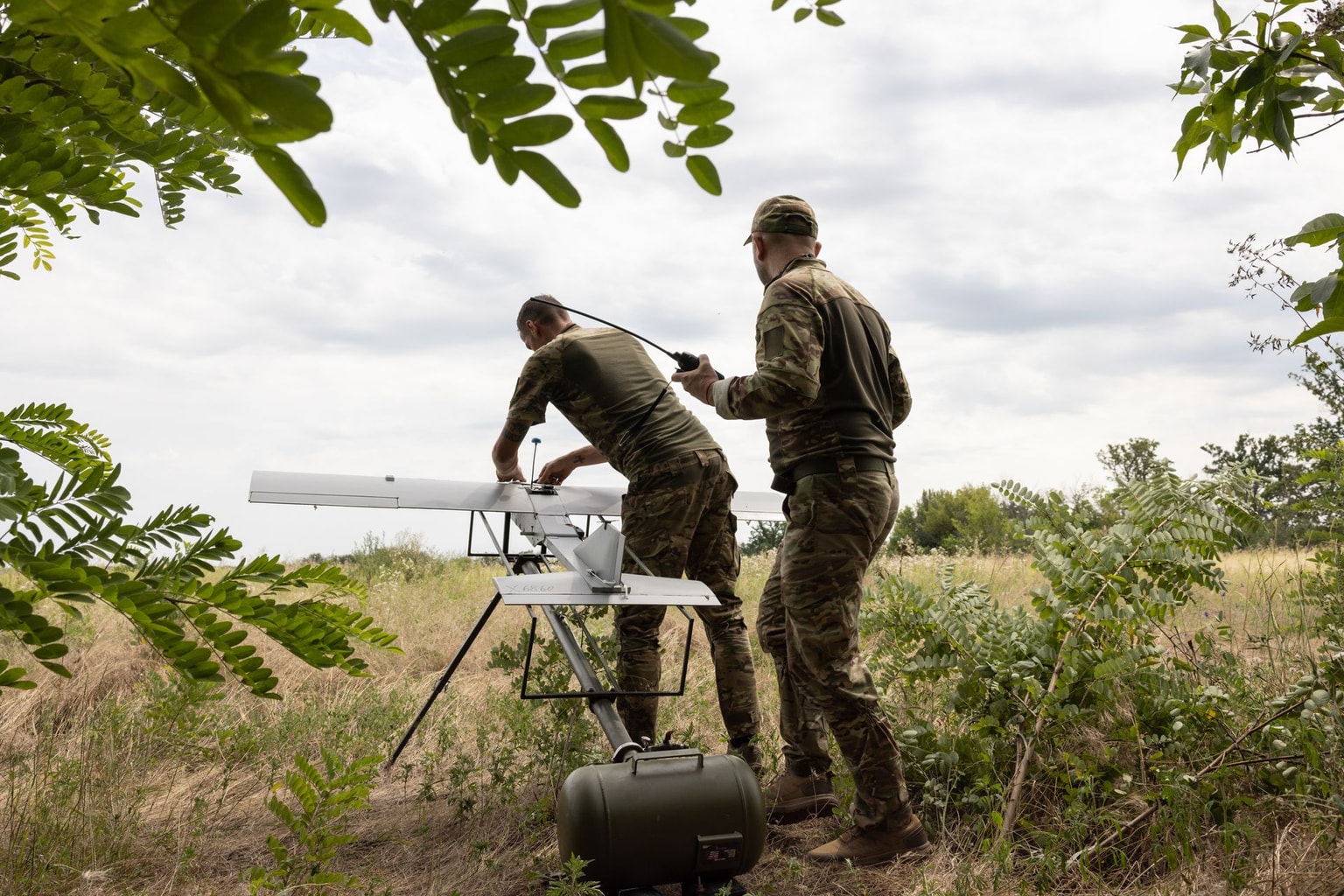
He then went on to speculate whether "this is related to the deep strikes carried out by Ukraine."
"Who can imagine that a country would allow its own capital to be attacked and provide no response to such a situation?" Melenchon asked rhetorically, in what appeared to be a reference to Ukrainian drone strikes on Moscow.
In the video, Melenchon made no reference to Russian attacks on Ukrainian cities, including Kyiv, which has been subject to an unprecedentedly high number of strikes from ballistic missiles and jet-powered drones.
"Even if Russia is the invader of Ukraine, the fact remains that in this circumstance, the escalation continues," Melenchon said.
The hard-left politician instead called for diplomacy and peace talks to bring the war to an end.
However, ongoing peace efforts have so far failed to achieve a breakthrough, as Moscow continues to push its territorial demands and reject a ceasefire. Melenchon did not explain how to resolve that situation in his video speech.
The far-right struggles with Ukraine too
France's far-right is also grappling with an internal shift away from Russia, which has been underway since 2022.
Within the last week alone, Le Pen has criticized Russia for seizing the assets of European companies operating in the country, but also said Paris should give less financial aid to Ukraine.
Le Pen's remarks on Ukraine have been denounced as "unbearable and irresponsible" double-talk by centrist candidate Gabriel Attal, who thinks "turning off the tap to Ukraine... would only worsen Russia's domination, and therefore its threat."
Attal's positions on Ukraine are clearer-cut: he considers supporting Ukraine to be France's "duty and interest," and he even supports using Russian financial assets frozen in Europe to help Kyiv.
However, he is but one of several candidates splitting the center of French politics, which, under France's electoral system, would mean a run-off between Le Pen and Melenchon if the situation remains as polls currently indicate.
Other candidates hoping to mop up the political center include Edouard Philippe — who visited Kyiv in May — as well as Raphael Glucksmann and Bruno Retailleau.