Russia testing Europe's defenses below threshold of open war, experts say
 on Google
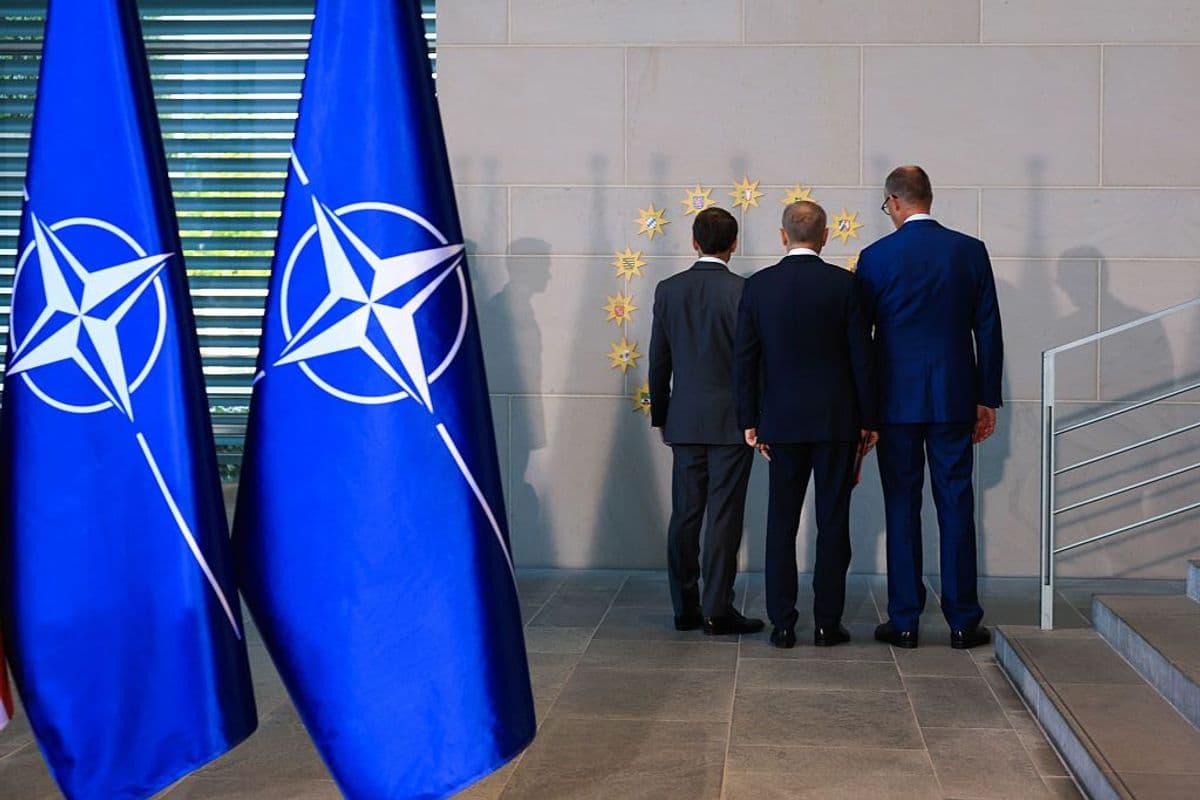
Russia is testing how far it can push Europe without triggering open war — from drones crossing NATO airspace to sabotage and cyberattacks across the continent. Experts warn that Europe has strengthened its defenses since 2022, but key gaps remain, including in air defense, communications, intelligence, and joint command.
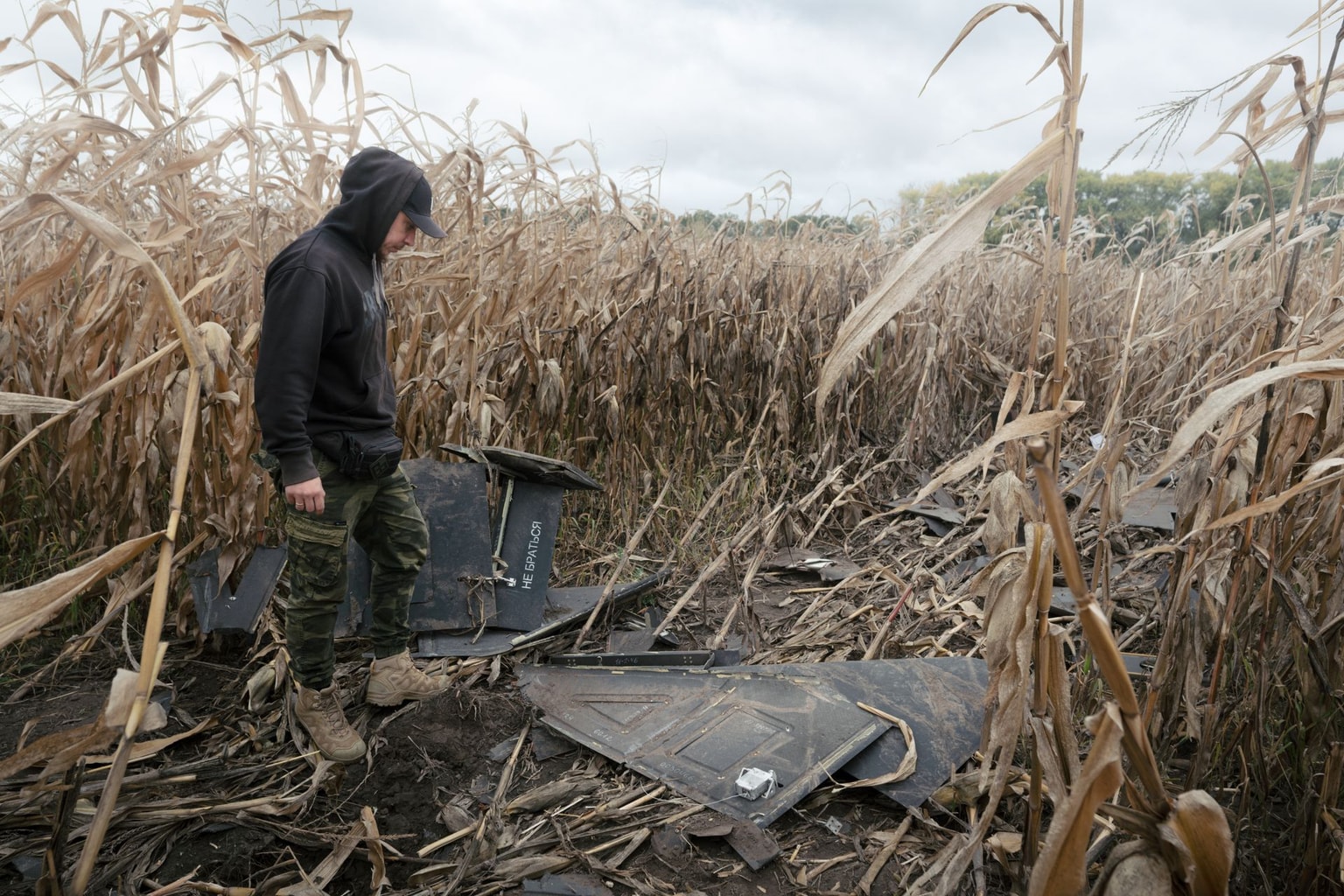
Russia is testing the limits of Europe's security without formally crossing into open war. Its attacks on Ukrainian cities have intensified in recent months, including strikes on civilian infrastructure. Russian drones entering NATO airspace have also become a recurring occurrence, while Western officials have raised the alarm over a rise in Moscow's hybrid operations across Europe.
In September, Germany accused Russia of orchestrating an attempted drone attack at Leipzig Airport in early August. The incidents are raising a broader question: how far Moscow can escalate its pressure on European countries without prompting a direct military response.
The Kyiv Independent spoke with participants of the Ukraine Recovery Lab, sponsored by Erste Foundation and organized as part of the European Forum Alpbach in Austria, held Aug. 24-Sept 4.
What may look like a string of hybrid incidents increasingly resembles a sub-threshold war against Europe, says Olena Davlikanova, a security policy expert.
The Everywhere War Tracker records a sustained campaign of sabotage, cyberattacks, military provocations, and airspace violations, which has grown more intensive and audacious since 2024 as Moscow has tested how far it can push Europe without triggering open conflict.
"Russia is waging a war against the European model of freedom, equality, and solidarity, and against the institutions that sustain it, especially the EU. This is a war fought in small steps," says Leopold Schmertzing, а strategic foresight and security and defense policy expert.
"I struggle to see it ending without a fundamental change in either the current Russian model or the European one."
Schmertzing argues that, despite Europe contributing far more to Russia's full-scale war against Ukraine than it did to earlier conflicts, most Europeans still experience it as a war happening somewhere else.
"My fear is that we will only fully wake up when our own capitals are attacked and our citizens are killed. By then, it will be too late to prepare," he added.
Experts believe Europe is better prepared for a potential confrontation with Russia than it was in 2022, but important gaps remain. Air defense, drones, communications, intelligence and joint command remain weak points, they say, while European militaries have yet to fully adapt to the realities of modern warfare.

Ukraine's experience shows that unmanned systems can have an outsized impact, but European defense spending has yet to reflect that lesson.
More than 80% of Russian targets destroyed on the battlefield are hit by drones, President Volodymyr Zelensky said in January.
"That is how the modern war looks like," says Kateryna Mykhalko, managing director of the German-Ukrainian defense industry consortium New Age Defense.
"At the same time, the technology delivering 80% of battlefield results receives only roughly 2% of European defense budgets," she adds.
The EU and Ukraine have sought to deepen cooperation in the sector. The EU-Ukraine Drone Alliance aims to accelerate the development and production of drones and counter-drone systems, combining Ukraine’s battlefield experience with Europe’s industrial capacity.
For Europe, the challenge is therefore twofold: closing military capability gaps while developing a response to forms of Russian aggression that experts believe are already unfolding across the continent.
"Russia is a hard nut to crack because it is deeply vulnerable in some respects and remarkably insulated in others," Schmertzing says. "We have a great deal to learn from Ukraine about where pressure works and where it doesn't."