Lithuania takes 1st step to lift nuclear weapons ban amid Russian threat
 on Google
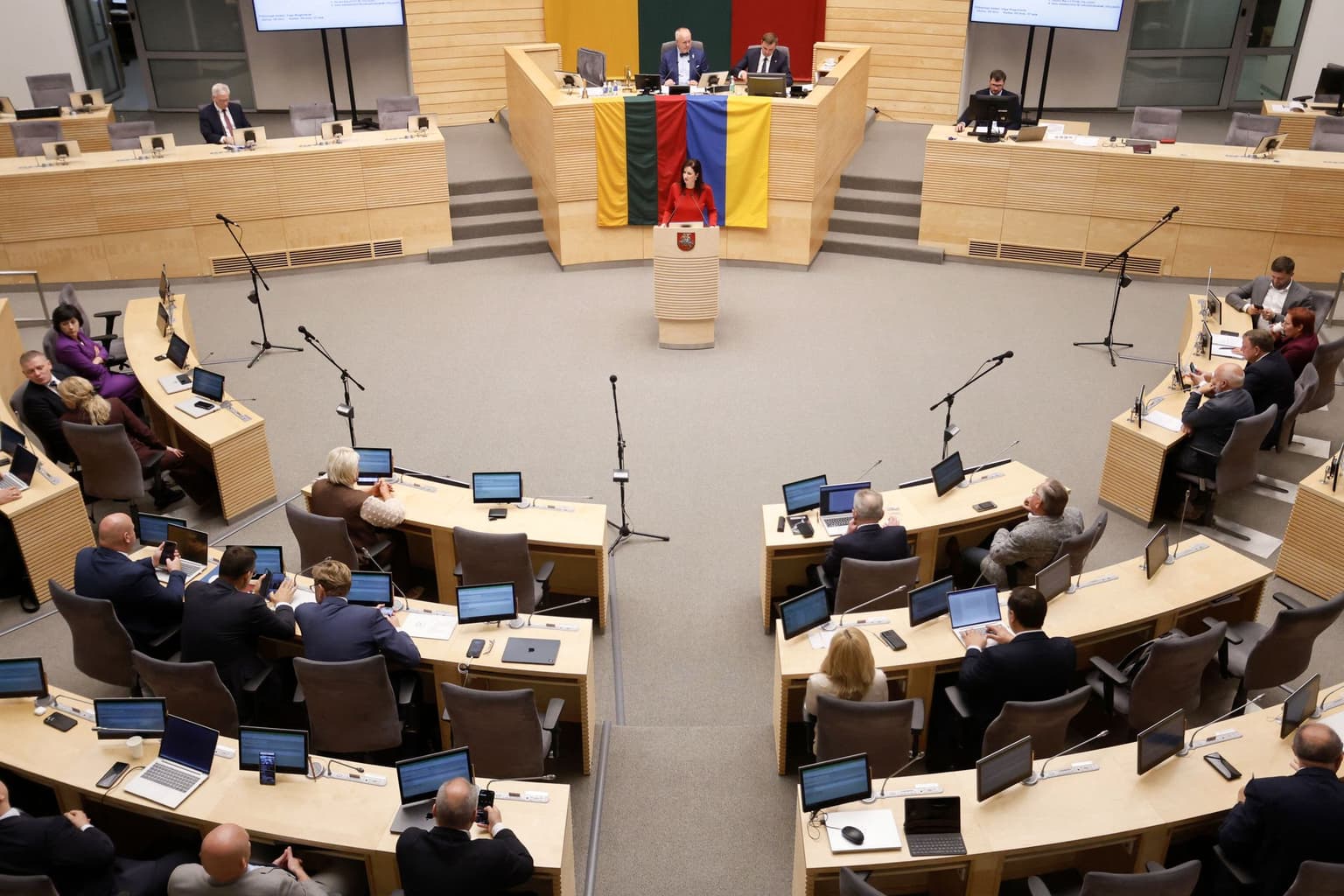
Lithuania's parliament voted on Oct. 6 to advance a constitutional change that would remove the country's ban on deploying nuclear weapons on its territory.
The move comes as Vilnius seeks to strengthen its deterrence amid growing security concerns in the region because of Russia's aggressive posture.
The parliament approved the proposal in its first reading by 106 votes to 18, with six lawmakers abstaining. The measure would repeal Article 137 of Lithuania's constitution, which currently prohibits weapons of mass destruction and foreign military bases on Lithuanian territory.
The proposal comes as Lithuania expands its defense cooperation with NATO allies, including the permanent deployment of a German military brigade, and as France considers expanding its nuclear deterrence role in Europe.
The amendment now faces a second and final vote, which cannot take place for at least three months. It would require the support of at least 94 of the 141 lawmakers to pass.
Parliament Speaker Juozas Olekas said before the vote that removing the constitutional ban would strengthen Lithuania's resilience and deterrence.
"This would mean that we secure the strongest possible support," he said.
Olekas said the final vote could take place on Jan. 12.
Lithuania has significantly increased its defense spending in recent years. The country also hosts a NATO multinational force, with Germany permanently expanding its military presence there.
Lithuania's security concerns are also shaped by its location between Russia's Kaliningrad Oblast and Belarus. Both countries host Russian military capabilities, while Kaliningrad borders NATO members Poland and Lithuania.
The proposed repeal would remove the constitutional provision itself rather than directly authorize a specific nuclear deployment.