U.S. peace negotiations with Russia could now involve multi-billion dollar Lukoil deal, NYT reports
 on Google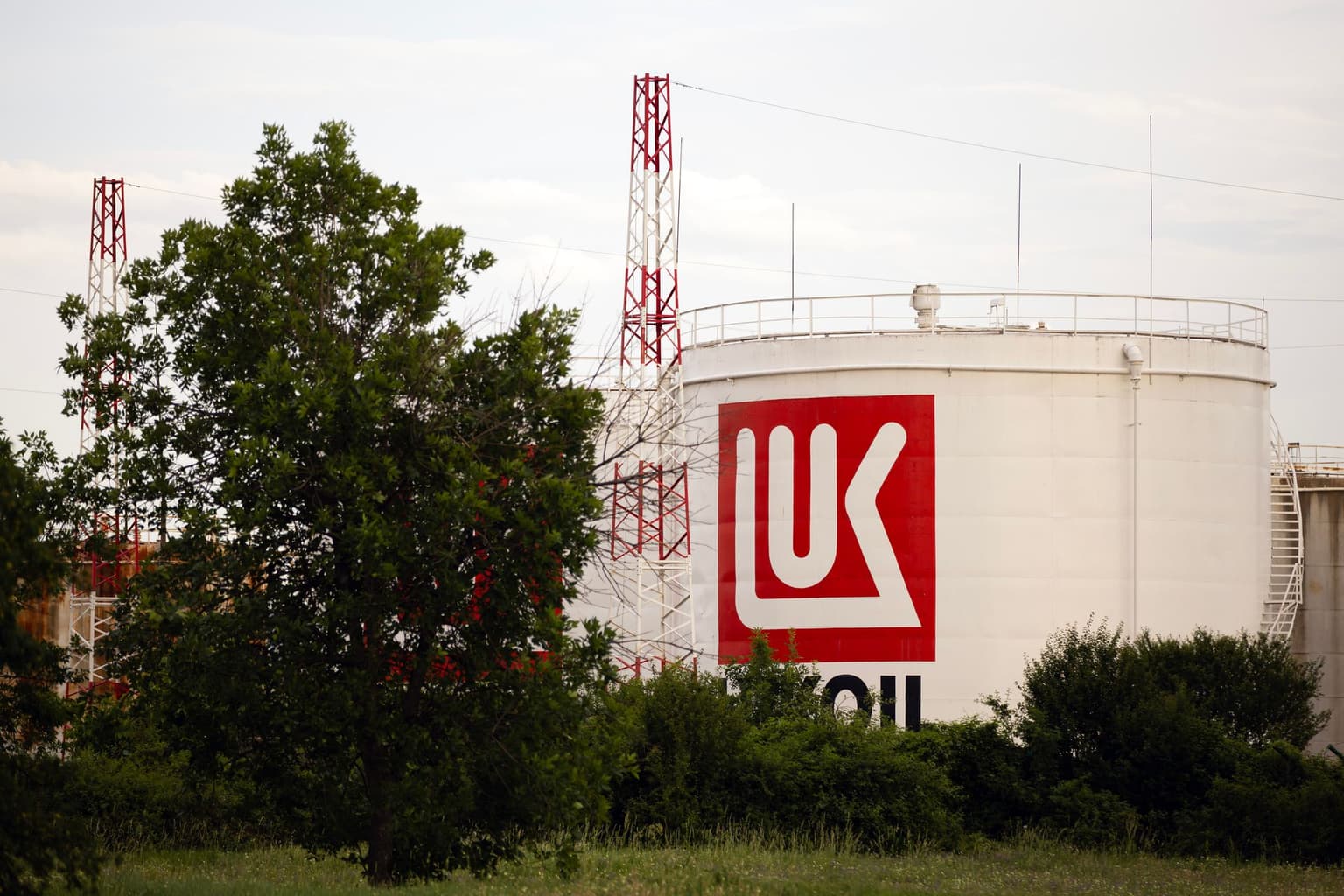
The Trump administration’s peace negotiations with the Kremlin have come to include discussions of a multi-billion dollar deal involving assets owned by Russian oil company Lukoil, the New York Times (NYT) reported on Oct. 3.
The newspaper reported that business executives with ties to U.S. envoys Jared Kushner and Steve Witkoff are pursuing a potential deal involving Lukoil refineries, oil fields and gas stations around the world. The deal would require approval from both the U.S. government and the Kremlin, according to the report.
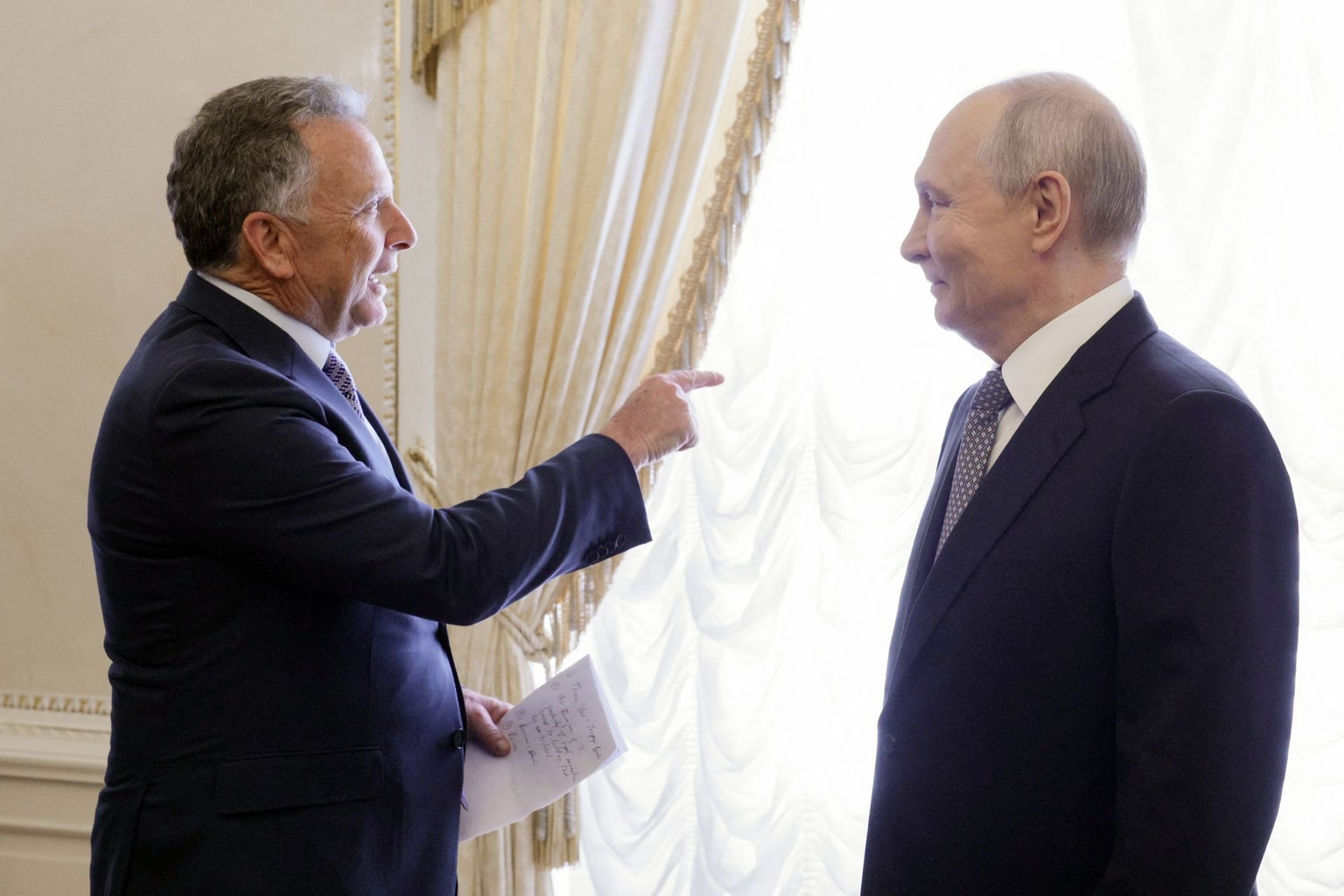
Russian President Vladimir Putin raised the potential deal with Kushner and Witkoff during their visit to Moscow on Sept. 5, proposing it as a way to demonstrate to Russians that they could still do business with the United States, NYT reported, citing people familiar with the matter.
The two envoys responded that they would work on the proposal, as a way to build good will with the Russians, according to the NYT report. Another benefit for the Americans is that global oil prices, which have skyrocketed following the U.S. war with Iran, could go down as a result of the deal, following sanctions against Lukoil assets potentially being lifted.
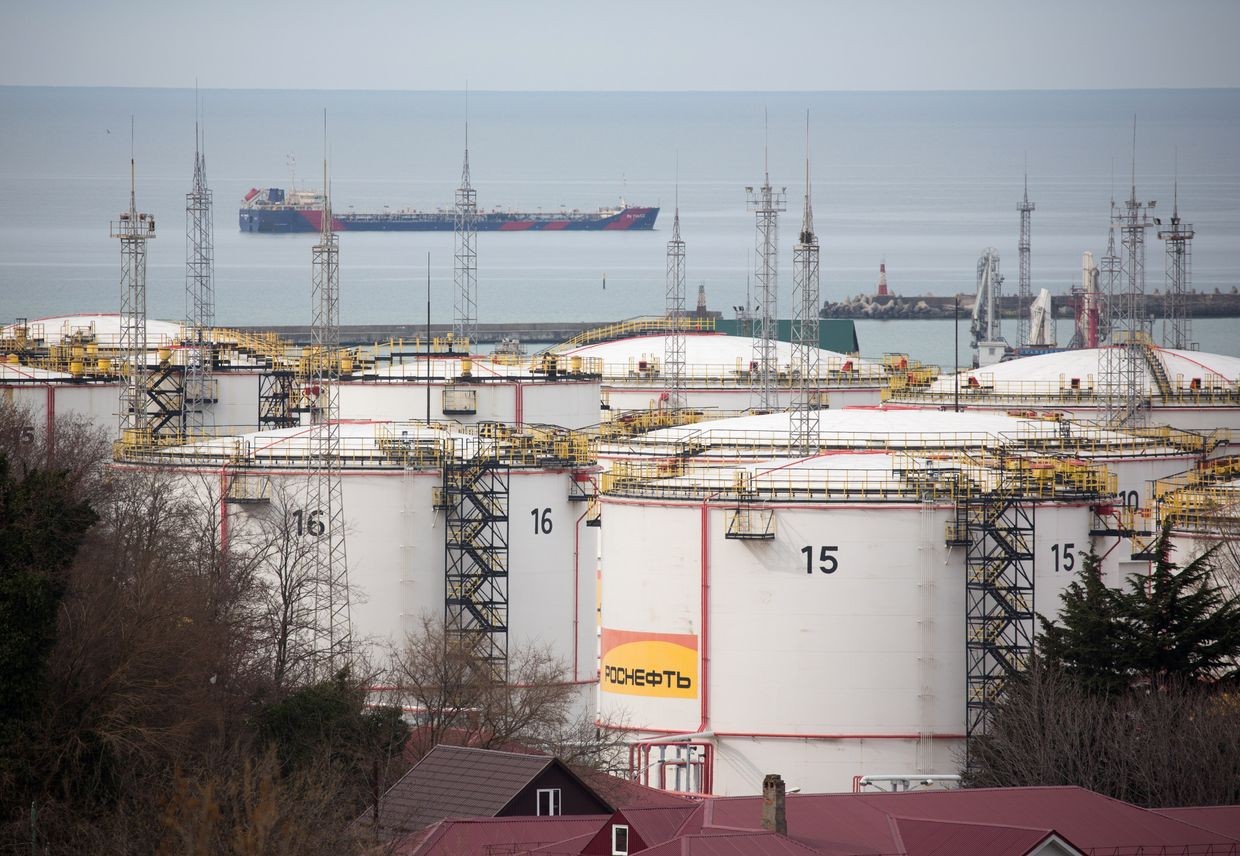
Lukoil is Russia's second-largest oil producer and one of the country's largest companies, accounting for 2% of global oil output. The corporation has been under U.S. sanctions since 2025, with the American government freezing its U.S.-based assets and threatening secondary penalties for foreign entities engaging with them.
“Given President Putin’s refusal to end this senseless war, Treasury is sanctioning Russia’s two largest oil companies that fund the Kremlin’s war machine,” U.S. Treasury Secretary Scott Bessent said in an October 2025 press release,
The sanctions, the first such measures imposed by the second Trump administration, were designed to pressure Moscow into peace talks in Ukraine, as fossil fuel revenues play a key role in sustaining Russia's war efforts. The U.S. government then proceeded to issue a limited sanctions waiver on some of Lukoil’s foreign assets, which was extended earlier this year.
While the U.S. Senate recently passed a bill that would make it easier to impose sanctions on countries that subsidize Russia’s war economy, this new potential agreement could allow Lukoil’s assets to be relieved of sanctions, potentially increasing their value, according to NYT
In January, the Russian energy giant agreed to sell most of its foreign assets to the American investment firm Carlyle, Lukoil's press service announced on Jan. 29. But the deal remains subject to U.S. government approval
Apart from stakes in oil fields in Kazakhstan, Uzbekistan, the Middle East, Africa, and elsewhere, Lukoil also operates three oil refineries in Europe and hundreds of gas stations worldwide, including in the U.S.
Swiss-based oil trader Gunvor initially sought the purchase of the company's foreign assets, but withdrew its bid in November after the U.S. Treasury Department described the trader as the "Kremlin's puppet."