Ukraine says drones struck 15 more Russian vessels as Sea of Azov campaign reaches 105 ships total
 on Google
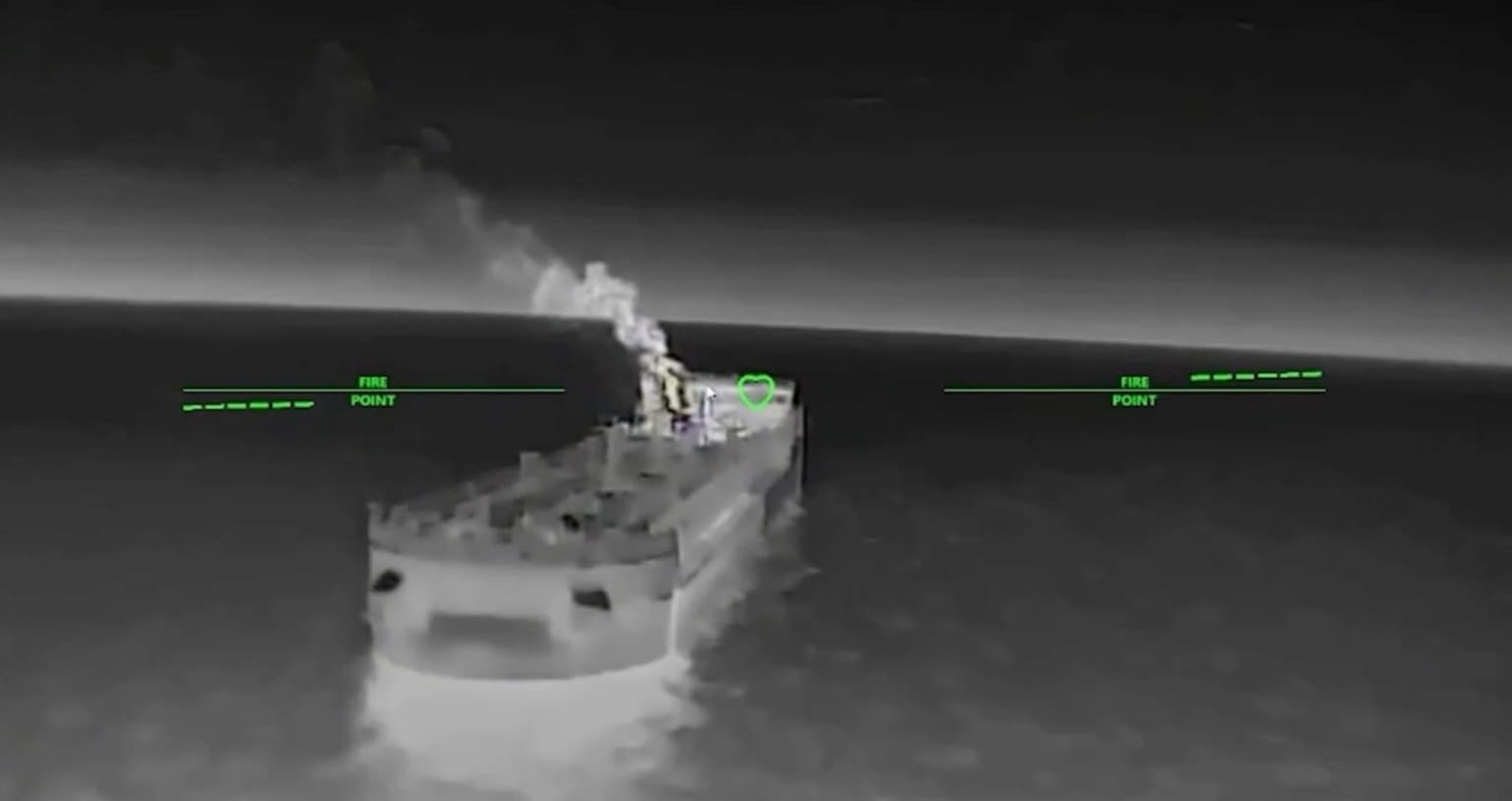
Ukraine struck 15 Russian vessels overnight on July 13 as part of an ongoing campaign targeting Moscow's maritime logistics in the Sea of Azov, bringing the total number of vessels hit over the past eight days to 105, according to Unmanned Systems Forces Commander Robert Brovdi, known by the callsign "Madyar."
The Sea of Azov is a strategically important waterway for Russia, serving as a key route for both military logistics and exports of oil, grain, steel, and other goods to international markets.
According to Brovdi, the overnight strikes targeted seven tankers, five cargo ships, one ferry, and two tugboats.
The latest attacks bring the total number of Russian vessels struck between July 6 and July 13 to 105, according to the commander.
The Kyiv Independent could not independently verify the claims or assess the extent of the damage inflicted on the vessels.
"The peninsula's transshipment infrastructure is being stung every night, traffic through the strait has stopped, and cargo unloading has been reduced to a minimum," Brovdi wrote on Telegram, referring to the Kerch Strait and logistics infrastructure serving occupied Crimea.
Separately, Brovdi said Ukrainian forces struck 11 energy infrastructure facilities across occupied Crimea and other Russian-occupied territories between July 12 and July 13. According to the commander, the targets included nine electrical substations, the Kuban-Crimea electricity bridge transfer point linking occupied Crimea with Russia's power grid, and a gas pumping station.
He also claimed Ukrainian forces destroyed five Russian air defense assets, including an S-400 Triumf launcher, a Tor-M2 air defense system, a Pantsir-S1 air defense system, and two Nebo-U radar systems.
The latest announcement follows a series of now daily reports by Brovdi detailing strikes on Russian shipping in the Sea of Azov. The military says the targeted vessels support Russia's military logistics by transporting cargo and servicing port infrastructure.