War

Ukraine confirms drone strikes on Russian air defense system, oil depot in occupied Crimea

2 min read
Ukraine confirms drone strikes on Russian air defense system, oil depot in occupied Crimea
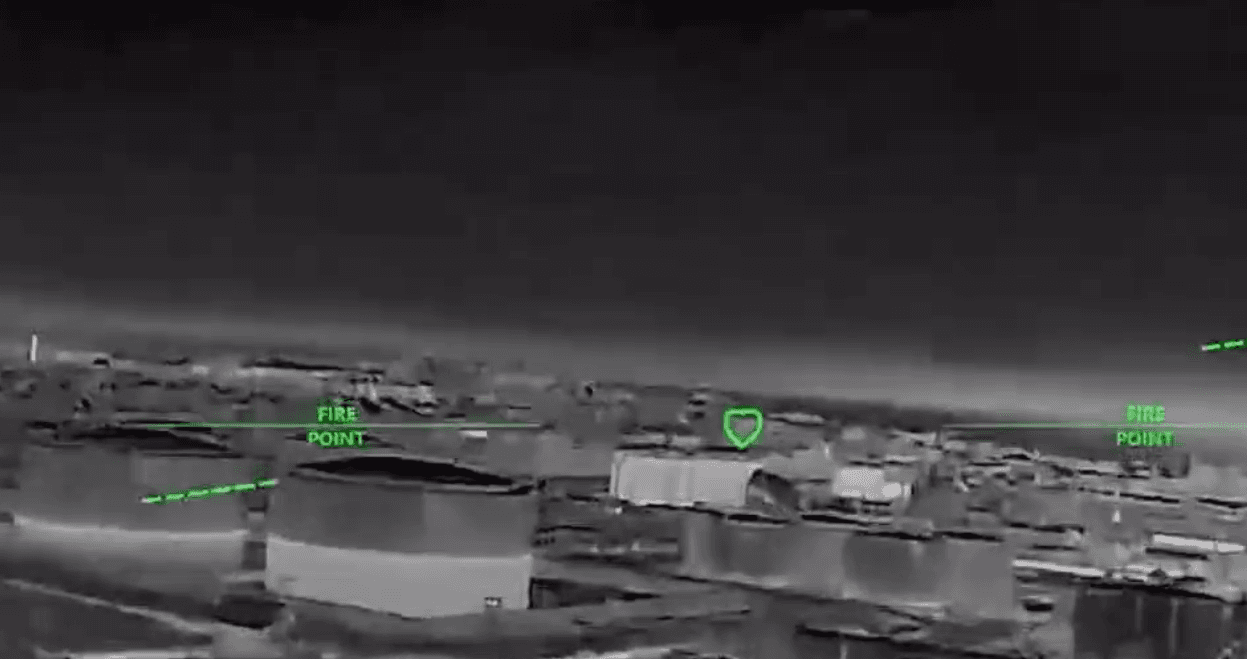
A screenshot from a Ukrainian drone video reportedly shows a drone approaching oil terminals in Feodosia, Russian-occupied Crimea, during a separate, earlier attack on April 8, 2026. (Unmanned Systems Forces commander Robert "Madyar" Brovdi/Telegram)

Ukrainian drones struck a Russian air defense system and oil depot in occupied Crimea overnight on April 29, the General Staff reported.

Other targets included a MR-10 radar station, an air defense command post, and a Patrol 4 ground-based radar interrogator on an airfield in Sevastopol, on the southern coast of occupied Crimea, according to the General Staff.

The General Staff also reported conducting long-range strikes against Russian logistics facilities, including an ammunition depot in the Pervomaiske area in northern Crimea and the TES oil depot in Simferopol in the central-southern part of the peninsula.

"Key elements of the enemy's air defense and radar systems were struck," the General Staff said in its Telegram post.

Sevastopol's Russian-installed proxy head, Mikhail Razvozhayev, claimed that its air defense repelled "a combined attack" by Ukrainian forces, claiming to have shot down 23 Ukrainian drones over the city and destroying three more considerably farther from the coast. Moscow has not reacted to the Ukrainian General Staff's claims at the time of publication.

The General Staff also reported striking a Tor Russian surface-to-air missile system, among other targets, in the occupied parts of southeastern Zaporizhzhia Oblast.

Ukraine has ramped up its long-range strikes on Russian military facilities and infrastructure supporting the Russian army in recent weeks, both in occupied territories and inside Russia.

Avatar
Asami Terajima

Reporter

Asami Terajima is a reporter at the Kyiv Independent covering Ukrainian military affairs and front-line developments. She is the co-author of the weekly War Notes newsletter. She previously worked as a business reporter for the Kyiv Post, focusing on international trade, infrastructure, investment, and energy. Originally from Japan, Terajima moved to Ukraine during childhood and completed her bachelor's degree in Business Administration in the U.S. She is the winner of the Thomson Reuters Foundation's Kurt Schork Award in International Journalism 2023 (Local Reporter category) and the George Weidenfeld Prize, awarded as part of Germany's Axel Springer Prize 2023. She was also featured on the Media Development Foundation's 2023 "25 under 25: Young and Bold" list of emerging media makers in Ukraine. She is among the finalists for the U.K.'s One World Media Award 2026 in the Print category and the French Bayeux Calvados-Normandy award 2025 for war correspondents in the Young Reporter category.

Read more
News Feed
 (Updated:  )

The first license permits imports of diesel and jet fuel made from Russian oil if "the products have been processed in a third country," while the other allows the maritime transport of Russian LNG.

*Russia hits Ukraine's Chernihiv, Sumy oblasts in morning attacks, killing 5*Ukraine says it struck major Russian oil refinery, pumping station*China secretly trained Russian soldiers who later fought in Ukraine, Reuters reports*Russia launches large-scale nuclear forces drills after Belarus exercises *Russian military hospitals overwhelmed by wounded soldiers from war in Ukraine, media reportsT

Show More