Polish concerns over Ukraine EU talks 'solved,' EU enlargement chief says
 on Google

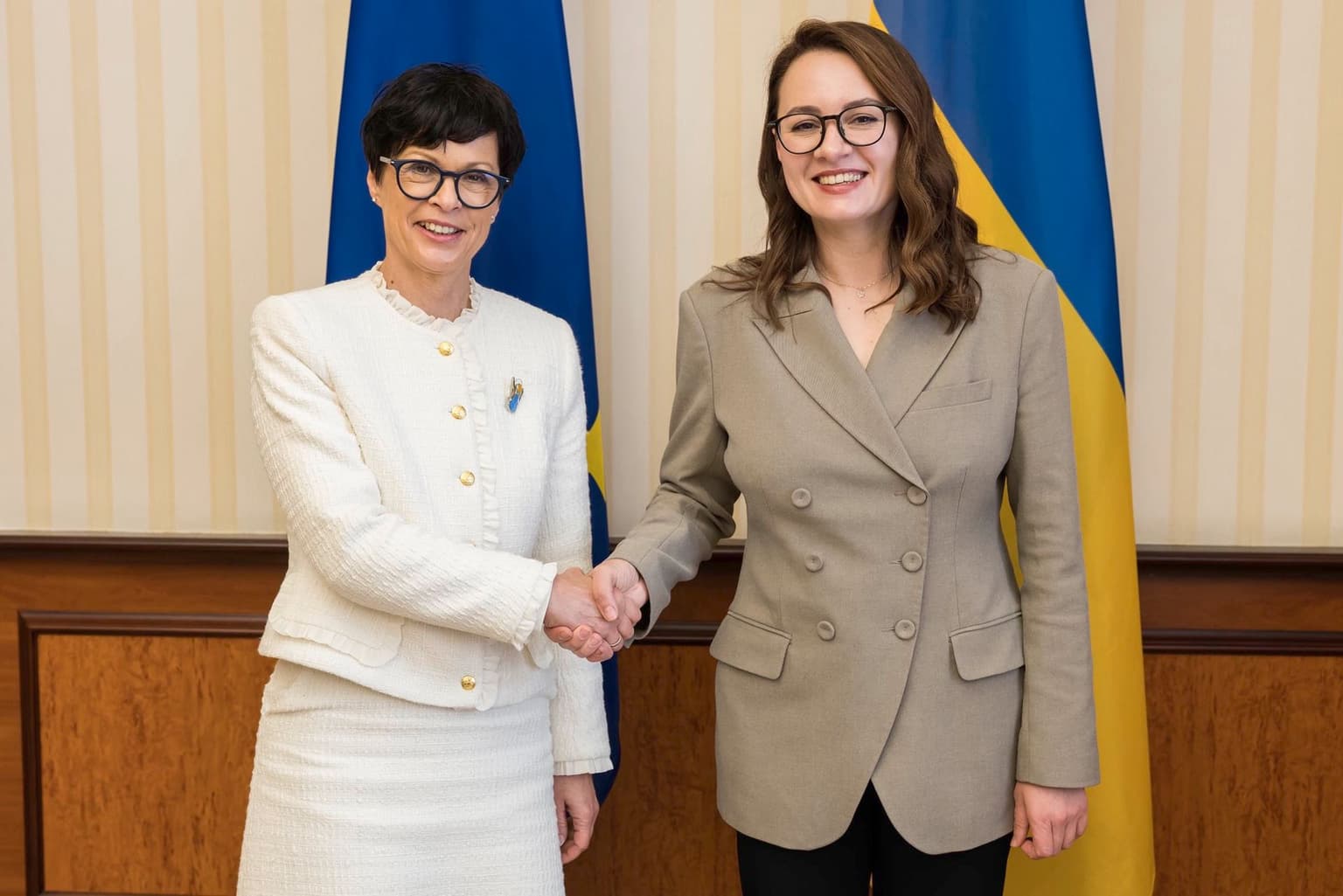
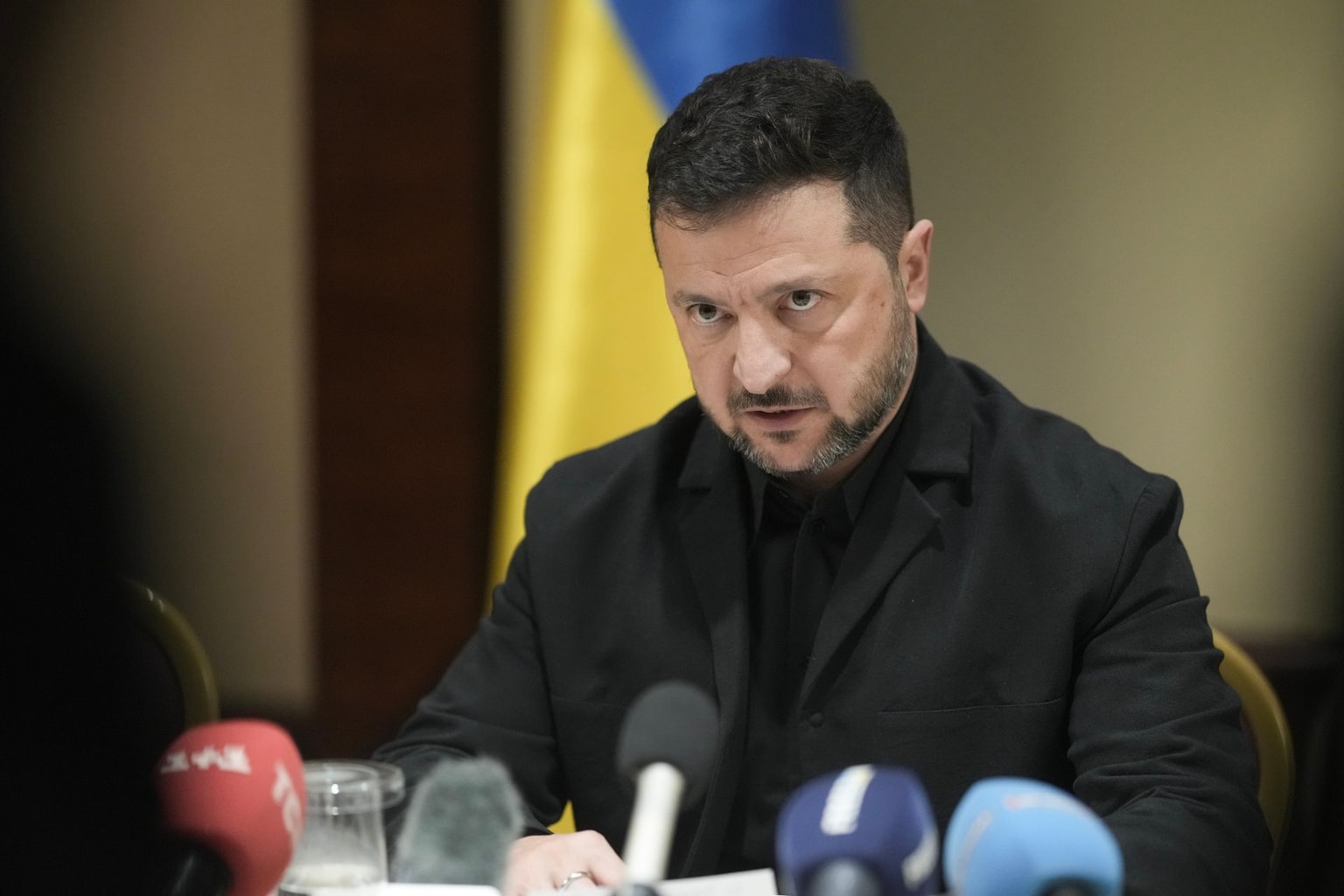
Polish objections to further advancing Ukraine's progress toward the European Union have been solved, the EU's Enlargement Chief Marta Kos said on June 8, as Ukraine's entry to the bloc picks up steam.
Ukraine is set to progress to the next stage of joining the EU on June 15, where all 27 EU countries will agree to open the first of six so-called "enlargement clusters" — Brussels jargon that means crucial technical negotiations can begin.
But as the Kyiv Independent earlier learned, EU countries had raised concerns about opening the other five clusters. Those included Polish fears about Ukraine’s powerful farming and trucking industries, French concerns over agriculture, and the potentially demoralizing effect of a speedy Ukrainian entry on the Western Balkans, which are in long-stalled negotiations to join the bloc.
"For the time being, I think this issue has been solved at the working level," Kos said in a meeting with journalists in Kyiv on June 8, referring to Poland's objection.
"The absolute priority is the opening of the clusters," Kos continued, mentioning that she expects the remaining five to be opened by mid-July.
The opening of all six EU membership clusters would signal irreversible momentum towards full membership for Ukraine.
Although the European Commission had deemed both Ukraine and Moldova ready to advance on all six enlargement clusters in 2025, former Hungarian Prime Minister Viktor Orban blocked the opening of the first cluster for months — a prerequisite to open the other five.
New Hungarian Prime Minister Peter Magyar has since given his blessing to opening the first cluster, following an agreement with Hungary over the rights of Ukraine’s Hungarian-speaking minority.
The obstacles being raised by other EU countries, such as Poland, are not linked to the EU’s membership criteria, but rather to domestic political issues in the countries concerned.
Fears of Ukrainian agriculture are especially strong due to its sheer size, and low costs, which means it would be well-placed to outcompete Polish and French counterparts on an otherwise level playing field.
Even from outside of the EU, that fear has led the new Hungarian government to introduce a new ban on Ukrainian agricultural imports, something which Poland and Slovakia have also maintained since 2023.
"We do not want to see bilateral issues interfering in the accession process, and we hope that countries are able to solve bilateral issues at the bilateral level," Kos said.
"Unfortunately, we have some experience, both from the past and the present, that this can happen," she added, alluding to Greek and French opposition to North Macedonian progress towards the EU.
But Kos also repeatedly emphasized that Ukraine must continue to make progress on a long pipeline of reforms, which the country must pass in order to keep receiving financial assistance from Brussels.
Progress has slowed in recent months, as relations have broken down between the country's parliament and government, leading the parliament to fail to vote through required reforms.
Kos emphasized that the process is merit-based and "isn't about setting dates," amid speculation over Ukraine's entry to the EU by a certain year.
The country is lagging behind on roughly 20 indicators set by the EU, for which it has missed deadlines.
Ukraine relies on continuous injections of foreign cash to support its military and keep state services running.
Ukrainian Prime Minister Yulia Svyrydenko said on June 8 that the country had received 2.8 billion euros ($3.2 billion) from the European Union, in the latest tranche tied to reform progress.