Russian pollster stops publishing Putin's 'open trust' figures as ratings slide, report says
 on Google
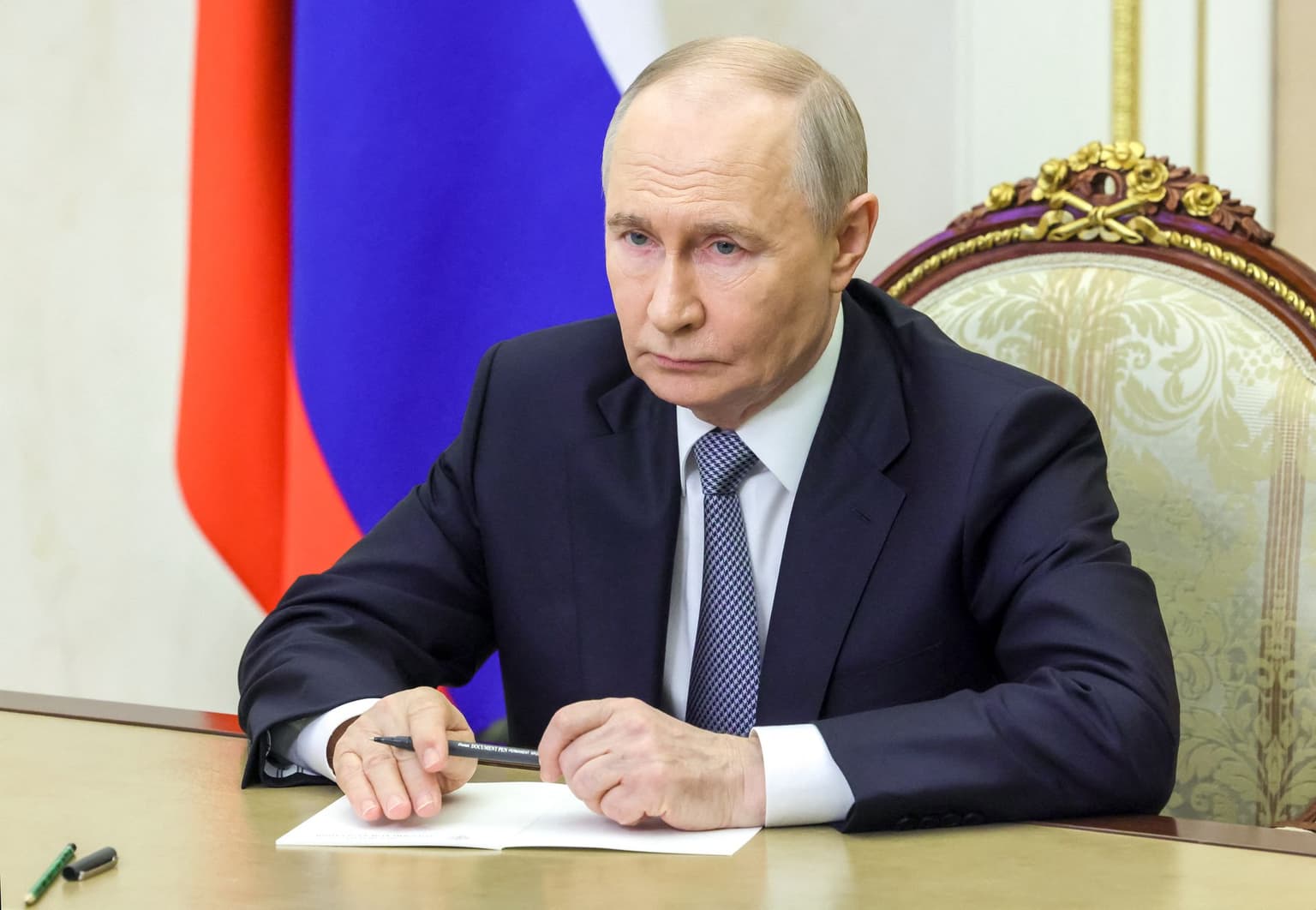
The Russian Public Opinion Research Center (VCIOM), a state-controlled pollster, has reportedly stopped publishing President Vladimir Putin's "open" trust rating after it fell to its lowest level since the start of the full-scale war, the Moscow Times reported on June 8.
Unlike VCIOM's regularly published "closed" polls, which ask respondents directly whether they trust Putin, the "open" survey asks people to name politicians they trust without prompting.
Under that methodology, fewer than one-third of respondents named Putin in March, compared with more than 70% who expressed trust in him when asked directly.
The data, previously released monthly, has not been updated since April 5, with results for April and May remaining unpublished as of June 8.
Putin's approval rating, which VCIOM continues to publish weekly, stood at 66.6% as of May 31 and has declined by nearly 10 percentage points since the beginning of the year, according to the Moscow Times.
Analysts cited by the outlet linked the decline to an "unprecedented combination of challenges," including mounting economic pressures, inflation, internet restrictions, and growing public fatigue over Russia's war against Ukraine.
Russia is experiencing losses of tens of thousands of troops per month in Ukraine — exacerbating labor shortages and inflation and further undermining the economy.
Frequent online outages have forced Russians onto "whitelisted" websites, while authorities have throttled popular messaging apps like WhatsApp and Telegram and cracked down on virtual private networks (VPNs).
At the same time, approval ratings for the Russian government and Prime Minister Mikhail Mishustin have reportedly risen, suggesting public frustration is increasingly directed at the broader situation rather than the cabinet itself.
The Moscow Times, an independent Russian outlet that relocated to Amsterdam following the start of the full-scale invasion, was added to Russia's list of "foreign agents" in November 2023.
Save for the fleeting Wagner rebellion in 2023, the Kremlin has not faced a serious internal challenge, despite a brief dip in popularity during the 2022 mobilization.