What does Iran ceasefire mean for Ukraine and Russia, and will it last?
 on Google
The ongoing ceasefire in the Middle East is an obvious boon for Ukraine, but it remains extremely fragile, analysts say.
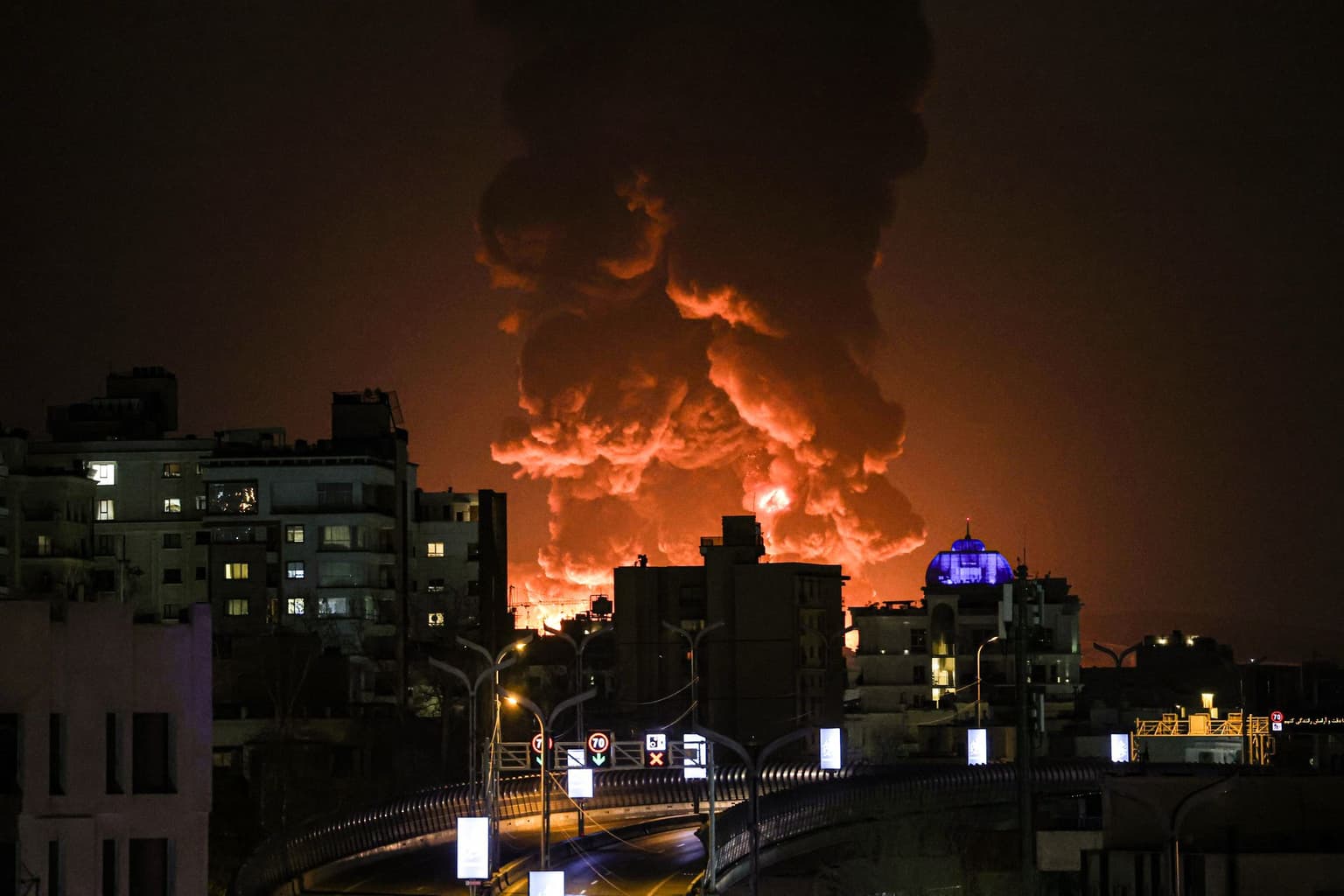
The U.S. and Israel, which attacked Iran in late February, reached a two-week ceasefire with Tehran on April 8, and another ceasefire was agreed between Israel and the Lebanese terrorist group Hezbollah, an Iranian proxy, on April 16.
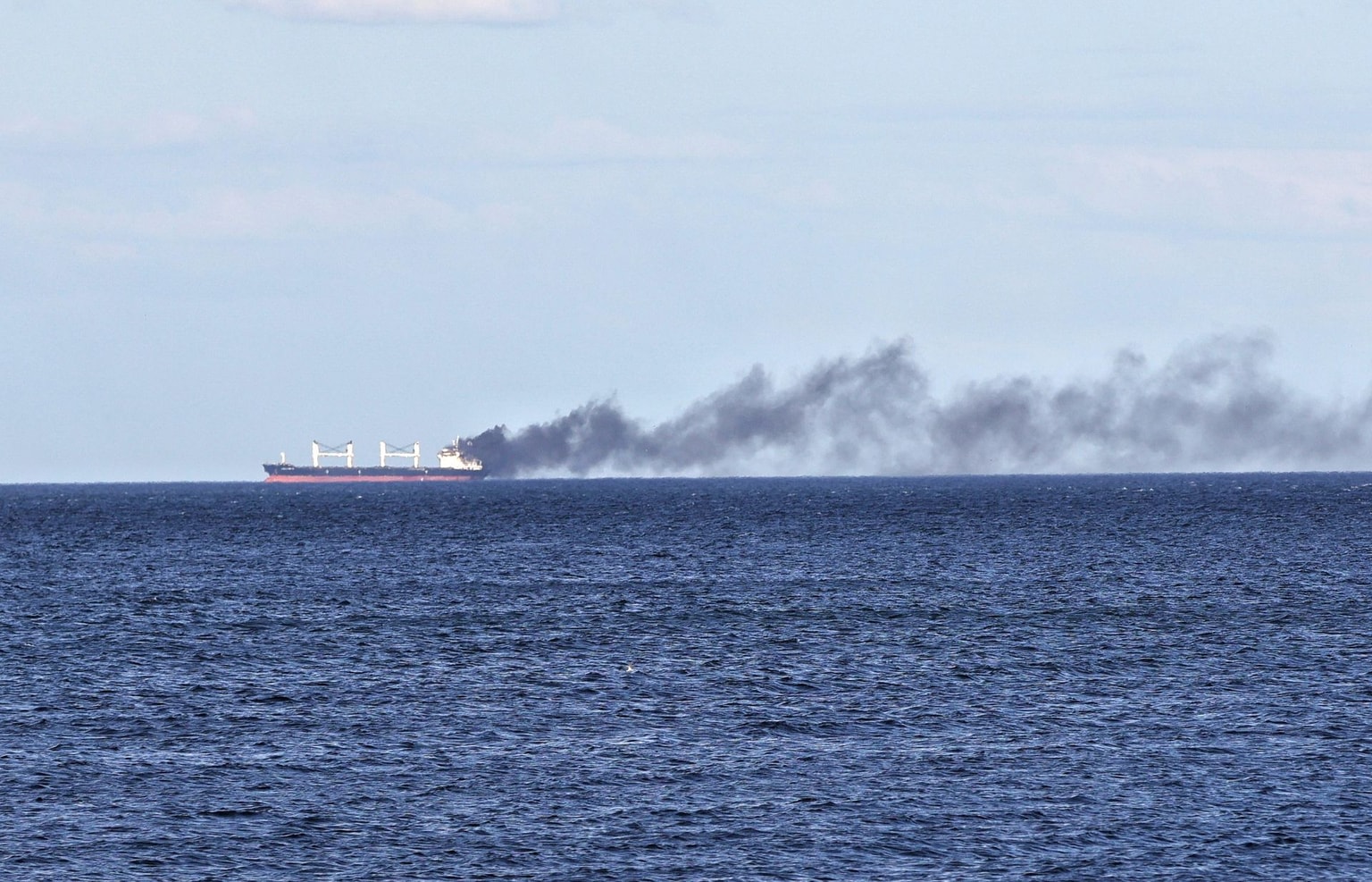
Iran also said on April 17 that it was reopening the Strait of Hormuz — a route for much of the world's oil and gas — but closed it again the following day due to an ongoing U.S. blockade, underscoring just how tenuous the truce is.
Still, falling oil prices are chipping at the revenues used to fund Russia's war machine.
Furthermore, the risk of diverting military resources away from Kyiv is decreasing, and the focus on peacemaking efforts in Ukraine may be brought back.
"A ceasefire is a better outcome for Ukraine than the war. It will keep the crisis in the Middle East more manageable and predictable," Ryhor Nizhnikau, a Russia expert at the Finnish Institute of International Affairs, told the Kyiv Independent.
However, the ceasefire in Iran appears to be fragile.
Iran and the U.S. have diametrically opposed positions in their peace talks. So far, Washington has failed to achieve any of its war aims, including an end to Iran's nuclear weapons and ballistic missiles programs and its support for regional proxies.
If the Iran war resumes and escalates, the consequences for Ukraine may be disastrous.
"Any continuation of the U.S.-Iran conflict brings more negative effects for Ukraine than for Russia," Nizhnikau said.
"It diverts resources and attention away from Ukraine. It puts under strain transatlantic relations, which is still the backbone of the Western military support to Ukraine. Clearly, it negatively affects U.S. sanction policy towards Russia and supplies to Ukraine, as the U.S. and its allies will continue to scramble for weapons at Ukraine’s expense."
read also
Ceasefire will benefit Ukraine — if it holds
If the ceasefire holds for a significant period, attention is likely to shift away from the Middle East and back to Ukraine.
"The Ukrainian war will once again become the main focus, while the Middle East will recede into the background," Serhiy Danylov, an expert at Ukraine’s Association of Middle East Studies, told the Kyiv Independent.
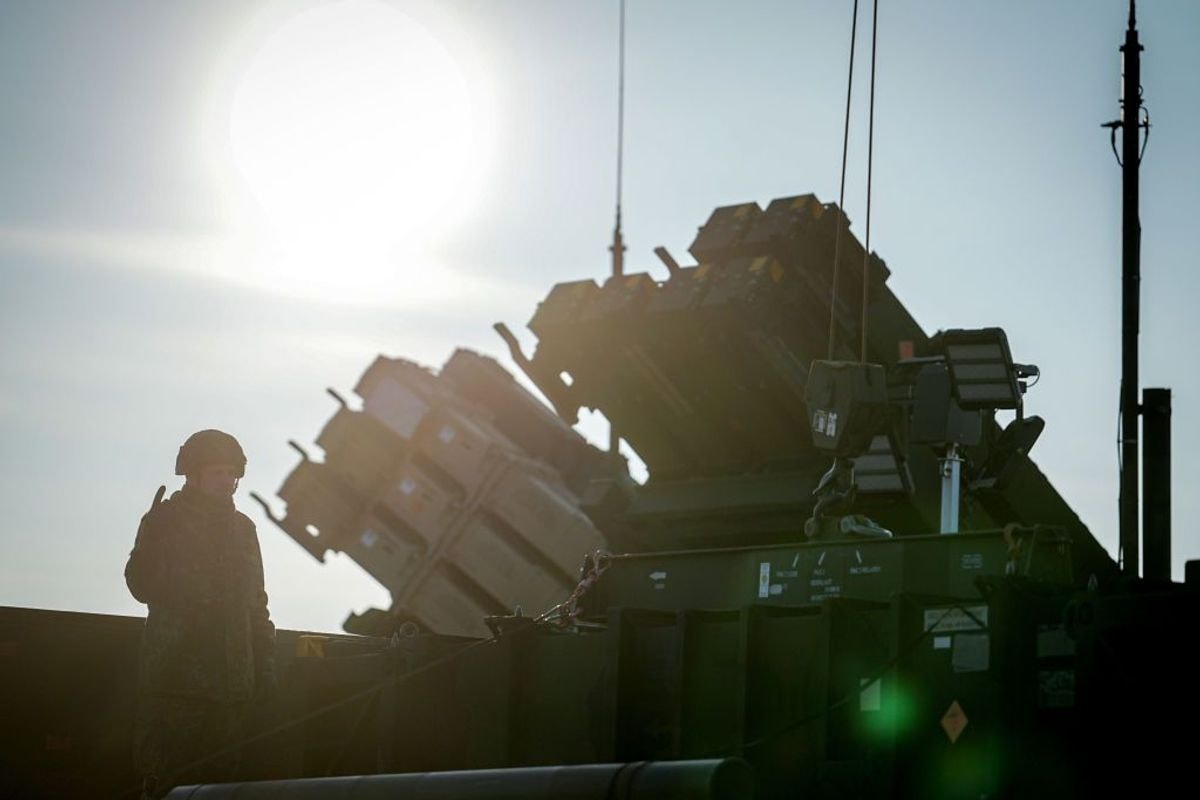
Another potential gain for Ukraine would be better access to U.S. air defense systems and other weapons.
"If the ceasefire in Iran holds over a longer period — although I believe it’s unlikely — the primary advantage for Ukraine would be a renewed Western focus and improved access to high-demand military assets such as Patriot systems," Natia Seskuria, an associate fellow at the Royal United Services Institute (RUSI), told the Kyiv Independent.
"Since the escalation in the Middle East, key capabilities such as Patriot interceptors, long-range precision munitions, and ISR (Intelligence, Surveillance, and Reconnaissance) platforms have been stretched across multiple theaters. A more stable regional environment would make it easier to redirect such resources toward Ukraine."
The impact of the ceasefire on energy markets is also expected to be beneficial for Ukraine and negative for Russia.
Due to the ceasefire and the brief opening of the Strait of Hormuz, the price of Brent crude fell from $120 per barrel in March to $91.9 on April 18.
The price rose again to $95.5 on April 20 after the U.S. seized an Iranian cargo ship attempting to get past its blockade.
"For Russia, the effects would be largely negative, particularly in economic terms," Seskuria said. "The earlier escalation has already worked in Moscow’s favor by driving up global oil prices and supporting its war economy. A sustained ceasefire, however, would likely stabilize energy markets, easing price pressures and diminishing a key revenue stream that underpins Russia’s ability to finance the war."
Yulia Pavytska, a sanctions expert at the Kyiv School of Economics' KSE Institute, said that "it is still too early to speak about the tangible effects" of the ceasefire on oil and gas markets.
"The situation is further complicated by an additional factor — a blockade by the United States (of Iranian ports)," she told the Kyiv Independent. "The market remains in a state of heightened uncertainty. Market participants are expecting not only the formal conclusion of an agreement, but also signals of its durability — above all, guarantees of safe passage for vessels through the strait."
Upsides for Russia
To drive down oil prices, the U.S. issued a waiver in March that exempted Russian oil from sanctions. After the ceasefire was reached, the U.S. said on April 15 it would not renew the waiver.
Despite the promises, the U.S. eventually renewed the waiver for Russian oil on April 17, helping the Kremlin reap a windfall and fund the war against Ukraine.
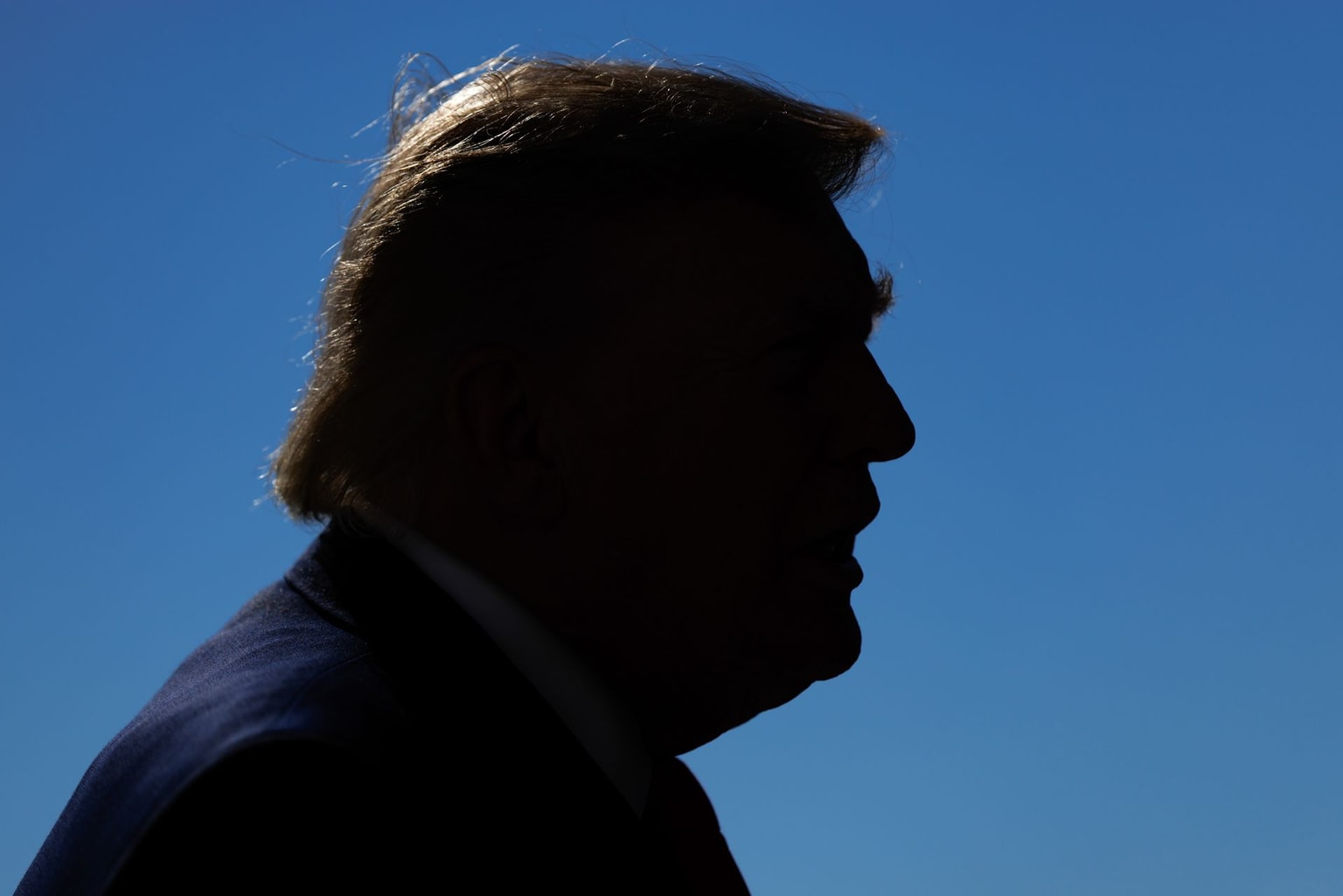
Disagreements between U.S. President Donald Trump’s administration and Europe over Iran are also deepening, which could impact Western aid for Ukraine.
"Washington's behavior in attacking Iran and now in its 'marathon' one-day negotiations with Iran and insistence on adding its own blockade of the Strait of Hormuz has widened the rift between the U.S. and its European allies," Jenny Mathers, a lecturer in international politics at the U.K.'s Aberystwyth University, told the Kyiv Independent.
"Although any weakening of the U.S.-European alliance has been a long-term goal of Russia, it may paradoxically put Ukraine in a stronger position, as European allies realize that the costs of trying to keep Trump on (their) side may be too high and that they have to choose between endlessly flattering an unpredictable leader and sticking to their values."
Some observers also argue that Trump's decision to accept a ceasefire without fulfilling his war aims may be seen as an encouraging signal for Russia. Despite the assassination of many Iranian leaders and the destruction of military infrastructure, the Iranian regime, a Kremlin ally, has survived and shown resilience.
But Danylov argued that any parallels with Moscow would be misleading. Russia is a personal dictatorship completely dependent on President Vladimir Putin’s survival, while Iran is an "institutionalized autocracy" that was able to survive the assassination of its Supreme Leader Ali Khamenei and appoint his son Mojtaba Khamenei as his successor, he explained.
Russia or China could also help Iran "with a quick rush for nuclear weapons," Michael Sahlin, a Middle East specialist at the Stockholm International Peace Research Institute, told the Kyiv Independent.
Although producing a nuclear weapon would be very difficult, Iran certainly has a stronger incentive to make one following the war with the U.S. and Israel, he added.
A fragile ceasefire
Experts argue that the ceasefire in Iran is extremely fragile and the war may resume soon. They say that Trump's naval blockade of Iranian ports may easily re-ignite the conflict.
"I am not at all convinced that the ceasefire will be lasting," Danylov said. "I rather think it will be short-lived. (A blockade of Iranian ports) amounts to a declaration of war."
Sahlin said that "the problem with the initial declaration of ceasefire was that the conditionalities for it to be in place were never clarified."
"There was a lot of constructive ambiguity," he said. "So the situation is very fragile."
Iran could respond to the U.S. blockade by asking the Houthi rebels in Yemen to block the Red Sea, Sahlin added. Combined with the Strait of Hormuz, this would amount to a lethal stranglehold on global oil and gas markets, analysts argue.
"If that happens, markets will go ballistic," Sahlin said.
If the Iran ceasefire is disrupted, the world's attention will again be focused on the Middle East.
"Russia would also benefit from the diversion of Western attention towards another theater, likely reducing Western coordination on Ukraine," Seskuria said. "This environment is likely to be interpreted in Moscow as a window of opportunity to escalate military pressure, probe Ukrainian defenses, and strengthen its position ahead of any future negotiations."
Seskuria argued that "U.S. engagement with the peace process has already shown a lack of success and would likely become even more stagnant" if the Iran war resumes.
The impact on Western arms supplies to Ukraine would also be negative.
"If the war resumes, American missiles and other weapons will be diverted to the war with Iran," Layton said.
Ukraine will not be resupplied with certain weapons, such as Patriot air defense missiles or AMRAAM air-to-air missiles, according to the expert.
"Air defense against Russian cruise and ballistic missiles appears to be an area where Ukraine might be badly impacted by the war restarting," Layton said.
The same applies to the war's impact on energy markets.
Seskuria said that "further escalation in the Middle East would likely drive up global oil prices, increasing Russian revenues and enabling it to continue or potentially intensify its war effort despite sanctions."
"Ukrainian fuel (including jet fuel) stock holdings may significantly reduce and cause disruptions to ongoing air and ground activities," Layton said. "Moreover, the oil sanctions on Russia will be suspended indefinitely, allowing Russia to recover economically."