Moscow walks away with billions as Trump's Russian oil waiver expires
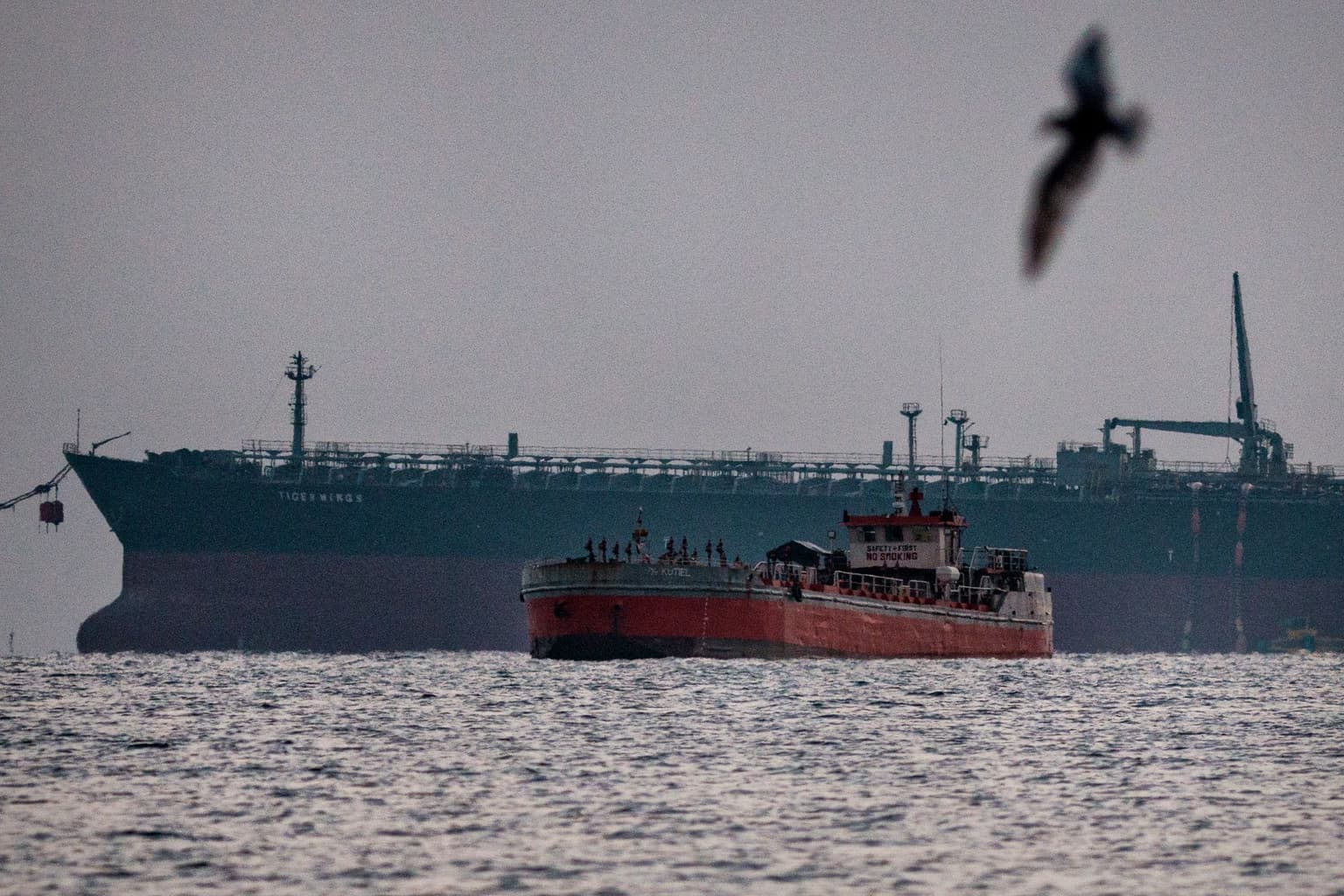
The Panamanian-flagged Tiger Wings, carrying crude oil from Russia, is seen moored off the Petron oil refinery on April 1, 2026, in Limay, Bataan province, Philippines. (Ezra Acayan/Getty Images)
 on Google
U.S. sanctions on Russian oil have resumed after the Trump administration allowed a temporary waiver on certain sales to expire on April 11, the Kyiv Independent has learned, ending a short-lived effort to stabilize markets during Washington's war against Iran.
The waiver, introduced in March, came as the U.S. sought to increase available supply after the war rattled energy markets.
The decision has drawn bipartisan criticism in Washington, particularly as Russia has supported Iran in the war and benefited from elevated oil prices.
The waiver lapsed amid continued market instability, with shipping through the Strait of Hormuz remaining restricted and the U.S. enforcing a blockade aimed at preventing Tehran from controlling key oil routes.
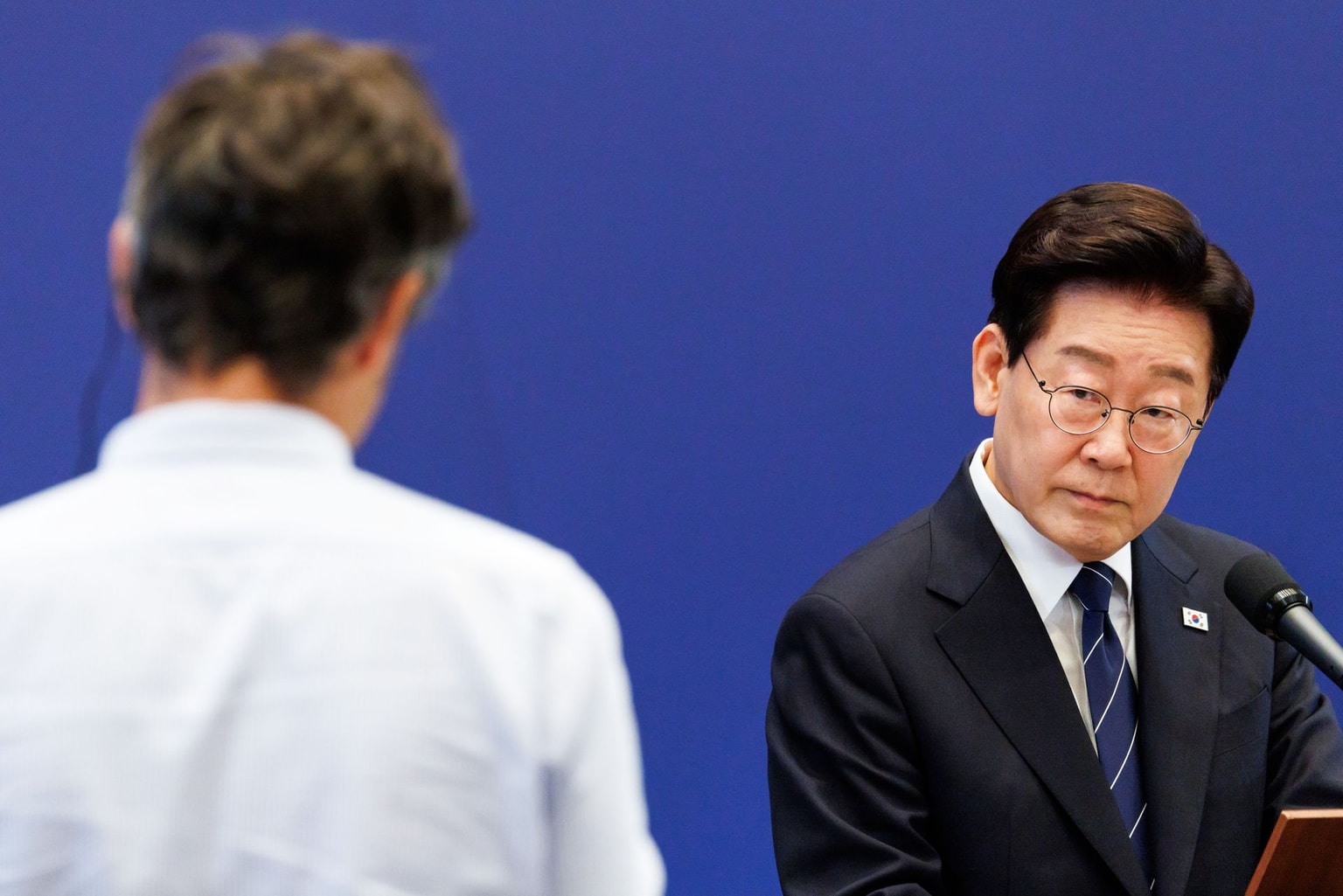
U.S. Treasury Secretary Scott Bessent told reporters on April 15 that the administration "will not be renewing the general license on Russian oil."
Moscow had anticipated that the U.S. would reimpose sanctions on Russian oil sales, Kremlin spokesperson Dmitry Peskov told reporters on April 16.
"We have already learned to act in a way that minimizes the impact of such measures on our interests. We will continue to do so," he added.
While Trump administration officials suggested that Moscow would not benefit from the move, it is evident that Russia has, in fact, gained from it.
What the waiver allowed
Washington issued a temporary license permitting countries to purchase Russian oil already stranded at sea, seeking to prevent a supply shock.
The measure effectively granted one-month exemptions from sanctions that had restricted the sale of those cargoes.
U.S. Treasury Secretary Scott Bessent described the step as "narrowly tailored and short-term," stressing that it applied only to oil already in transit and would not open broader channels for Russian exports.
U.S. officials argued the policy would not strengthen Moscow's war finances.
Bessent said the authorization "will not provide significant financial benefit to the Russian government," noting that Russia collects a large share of its energy revenue through taxes imposed at the point of extraction rather than export.
The administration framed the move as a technical adjustment designed to smooth market volatility rather than a shift in sanctions policy.
How much Russia earned
Despite those assurances, analysts say Russia did benefited from the relief.
Data from Kpler showed that roughly 145 million barrels of Russian oil were floating at sea when the waiver took effect — volumes that could then be legally sold.
Timothy Ash, an associate fellow at Chatham House, said Russia appears to have offloaded a substantial portion of those volumes before the war with Iran intensified, helping sustain export revenues at a time of market disruption.
He added that discounts on Russia's Urals crude narrowed significantly and in some cases turned into a premium, further boosting export income.
Ash estimated that Moscow's financial gains since the onset of the war could approach $10 billion, particularly as higher global prices offset disruptions caused by Ukrainian strikes on Russian export infrastructure.
Separate estimates from Senate Democrats shared with the Kyiv Independent suggested Russia earned an additional $150 million per day — more than $4 billion by the time the waiver expired — due to market conditions tied to the war.
Even with the waiver, however, the policy had limited impact on oil prices.
Much of Russia's crude continues to move via shadow fleet tankers that bypass international sanctions, reducing the overall effect of the relief.
Backlash in Washington
The decision to ease sanctions, even temporarily, triggered immediate criticism on Capitol Hill. Lawmakers argued the move undermined years of economic pressure imposed on Russia over its full-scale invasion of Ukraine.
Washington had previously framed potential sanctions relief as leverage to push Moscow toward concessions in negotiations. The waiver, critics said, appeared to weaken that position while Russia supported Iran and benefited from higher prices.
Democratic senators requested hearings with Bessent to scrutinize the decision. They later released a statement urging the administration not to extend the waiver.
"Instead of aiming to limit that Russian windfall, Treasury helped the Kremlin and its evasion network increase their profits," a letter signed by top Democratic senators said.
"It remains far from clear that the extraordinary step of providing sanctions relief to Russia provided any relief for U.S. consumers or eased the global energy crisis."
Note from the author:
Hi, this is Tim Zadorozhnyy, the author of this article.
From our newsroom in Ukraine, we report on the issues that matter to a global audience, without outside influence. Independent journalism is only possible with reader support. If you value our work, please consider supporting us — it makes a real difference.