Stripping Hungary's EU voting rights on agenda for May 27 meeting
 on Google
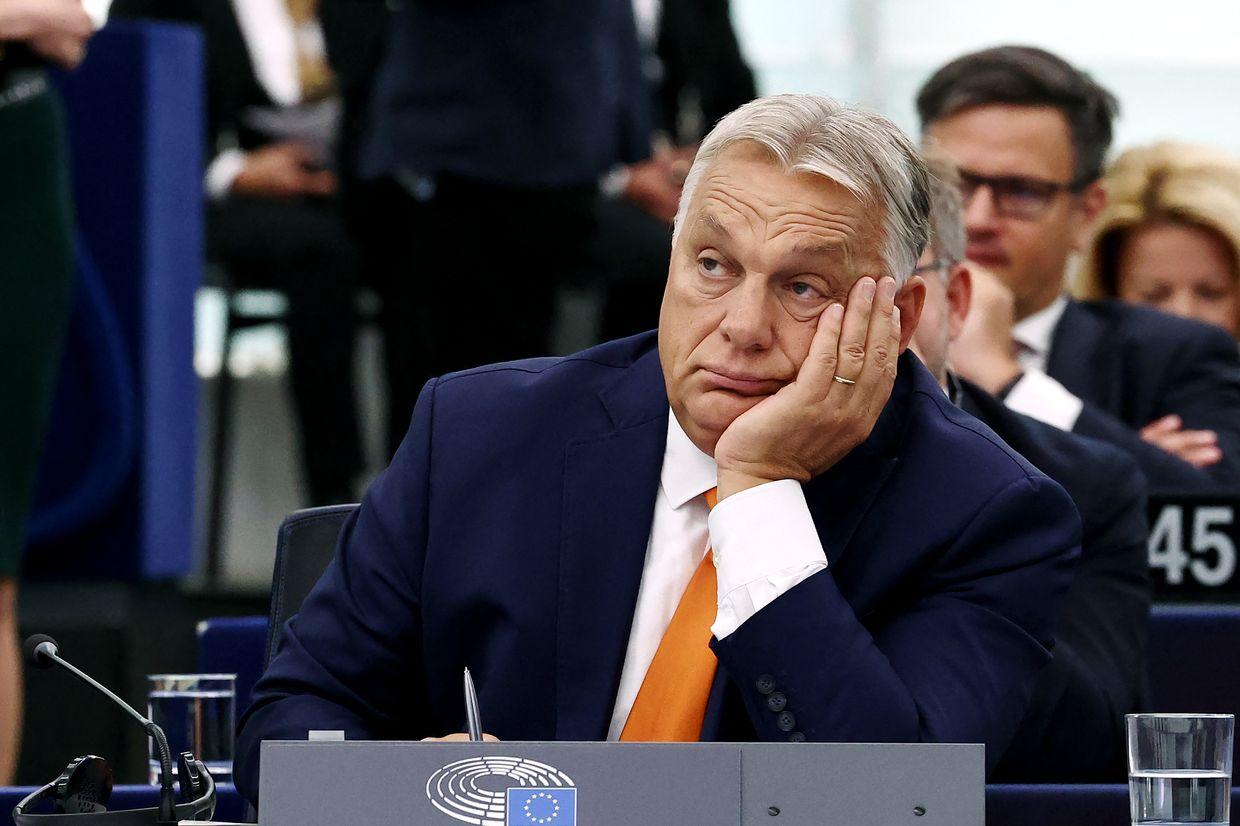
The Council of the European Union will hold a hearing regarding the potential loss of Hungary's voting rights at a meeting on May 27, according to the agenda on the Council's web portal.
This will be the eighth hearing regarding Hungary since the European Parliament triggered Article 7 procedures against the country in 2018. Article 7 of the EU Treaty allows for the suspension of Council voting rights if a member state consistently breaches EU founding principles.
European ministers will discuss Hungary's status at a meeting of the General Affairs Council on May 27, the Council said.
The hearing comes as the EU is looking for ways to override Budapest if it vetoes Ukraine's accession to the bloc. EU High Representative Kaja Kallas said on May 10 that Brussels has alternative plans in the event Hungary attempts to obstructs Ukraine's candidacy.
"We have a plan B and a plan C. But our focus is plan A, the essence of which is to get everyone's support," Kallas told reporters.
Hungarian Prime Minister Viktor Orban has repeatedly blocked or delayed EU aid packages for Ukraine while opposing sanctions against Russia. Hungary's ongoing obstruction of support for Ukraine has repeatedly triggered threats to withdraw the country's voting rights.
The European Parliament has also continuously raised Article 7 concerns regarding Hungary's "erosion of the rule of law." Under the Orban government, Hungary has faced increasing criticism from international watchdogs for limiting press freedom and undermining democracy.
Mass protests broke out in Budapest on May 18 in response to a controversial bill that would grant the government sweeping powers to investigate, penalize, or even ban media outlets and non-governmental organizations receiving any foreign funding. The bill, proposed by a member of Orban's ruling Fidesz party, is similar to Russia's restrictive "foreign agents" law.