Ukraine takes step toward joining European payments network with anti-graft law
 on Google


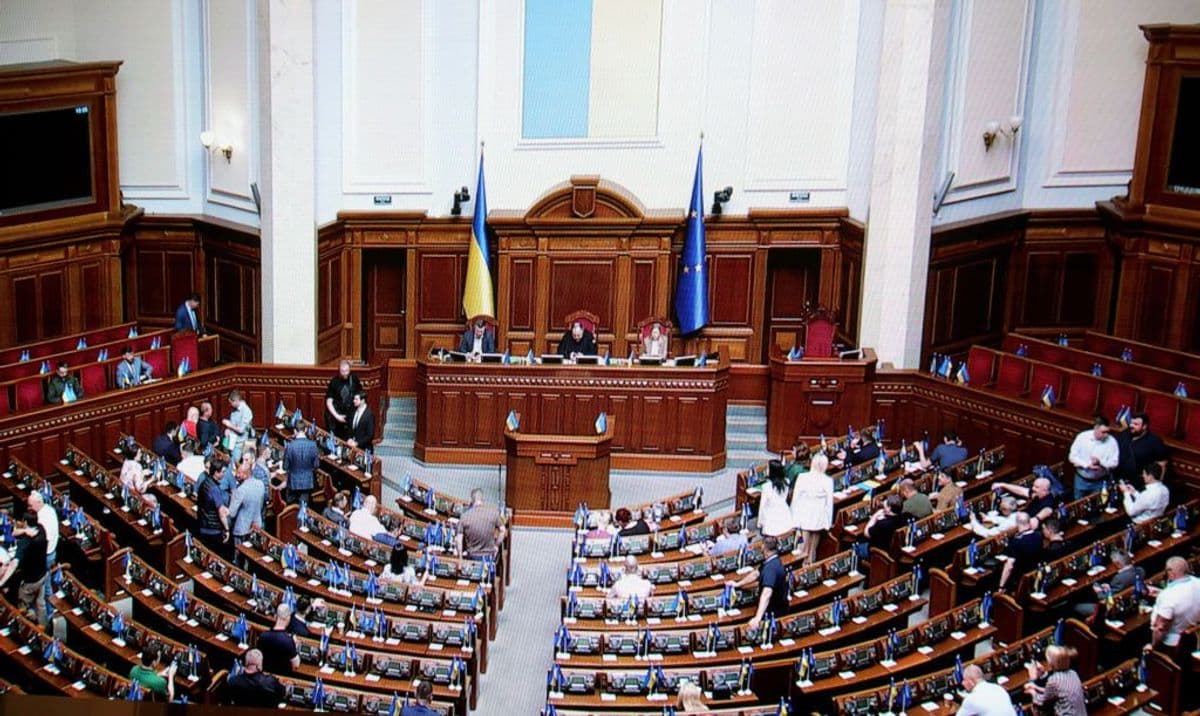
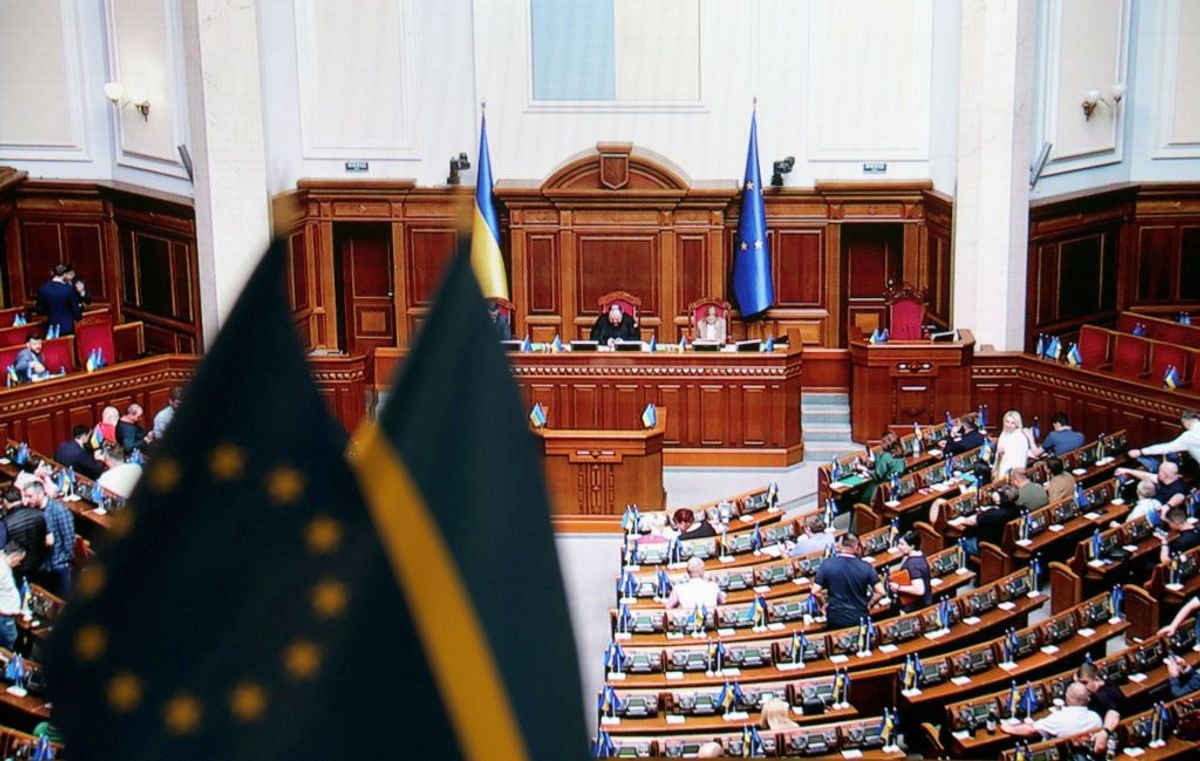
Ukraine’s parliament backed a crucial anti-money laundering law on Nov. 10 as Kyiv takes steps toward joining the Single Euro Payments Area (SEPA), a network that makes euro transfers faster and cheaper.
In total, 249 MPs supported Bill No. 14327-d, which brings Ukrainian regulation in line with EU standards, in its first reading, lawmaker Yaroslav Zhelezniak from the Holos Party reported on his Telegram channel.
It still needs to pass a second reading and be signed by President Volodymyr Zelensky before it goes into effect.
If enacted, the legislation will create a central register showing which banks hold a person's accounts or safe-deposit boxes, though not their balances, transaction histories, or the contents of the boxes. Investigators could use the register to find a person's bank accounts without contacting each bank separately and ask courts to freeze assets if necessary.
"Today is a good first step, but it should have been done a year ago," lawmaker Olha Vasylevska-Smahliuk, one of the bill’s co-authors, told the Kyiv Independent.
"Unfortunately, we don’t have much time, so we need to adopt it as quickly as we can. Because, in the European Union, the new anti-money laundering laws directive starts in the middle of next year, and the European Payments Council — the body overseeing SEPA — has to approve Ukraine by the end of December."
Currently, there is opposition to the law from some MPs who are concerned about law enforcement accessing financial information in the register amid the country’s largest wartime anti-corruption crackdown, Vasylevska-Smahliuk said.
Brussels wants Ukraine to give register access to all law enforcement agencies that investigate financial crimes, organized crime, and corruption. But some Ukrainian MPs distrust law enforcement agencies such as Ukraine’s Security Service (SBU) and the State Bureau of Investigation (SBI), Vasylevska-Smahliuk said.
As a compromise, lawmakers agreed to initially limit access to three agencies: the Bureau of Economic Security, the National Agency for the Prevention of Corruption (NACP), and the Asset Recovery and Management Agency (ARMA).
"We are trying to create a new model. First, we will negotiate with the European Commission, and then with the opposition,” said Vasylevska-Smahliuk.
She pointed out that other countries, including Germany and Liechtenstein, also limit the number of law enforcement agencies that have access to the register.
In the best-case scenario, the law would be passed by the end of the year, allowing the National Bank of Ukraine to submit the country’s SEPA application to the European Payments Council.
Once Ukraine joins SEPA, it will be able to transfer euros to 41 countries as if they were domestic payments. SEPA could save Ukrainians Hr 10 billion ($220 million) annually through lower bank fees and transaction costs, Vasylevska-Smahliuk told the Kyiv Independent.
But some are skeptical that the bill will be adopted in time before the December deadline.
"The first reading showed good progress. I think it's largely driven by pressure from the EU. However, the question remains as to when it will pass its second reading," Oksana Ihnatenko, managing director of the Center for Financial Integrity, an NGO, told the Kyiv Independent.
"As we've seen with other legislation, like with virtual assets, it could take another year to get through the second reading."