Ukrainian drones hit gas facility in Russia's Orenburg Oblast, Zelensky confirms
 on Google
Editor's note: The story was updated with a statement from President Volodymyr Zelensky.
Ukrainian drones attacked a gas industry facility in Russia's Orenburg Oblast on May 12, targeting a site more than 1,500 kilometers (930 miles) from the Ukrainian border, President Volodymyr Zelensky confirmed in an evening address.
Zelensky did not specify which facility was targeted or the extent of the damage. Ukrainian forces have not publicly commented on the attack at the moment of publication.
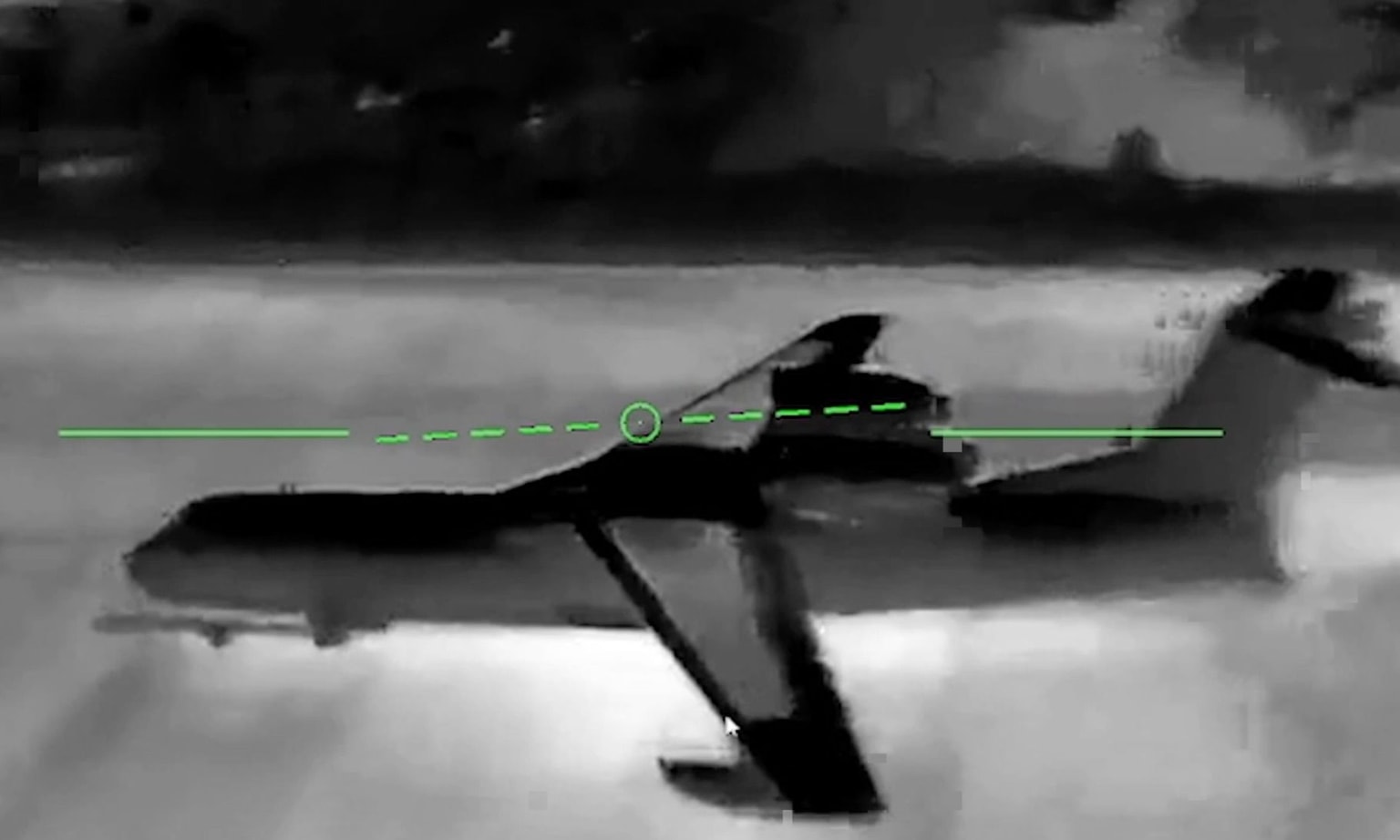
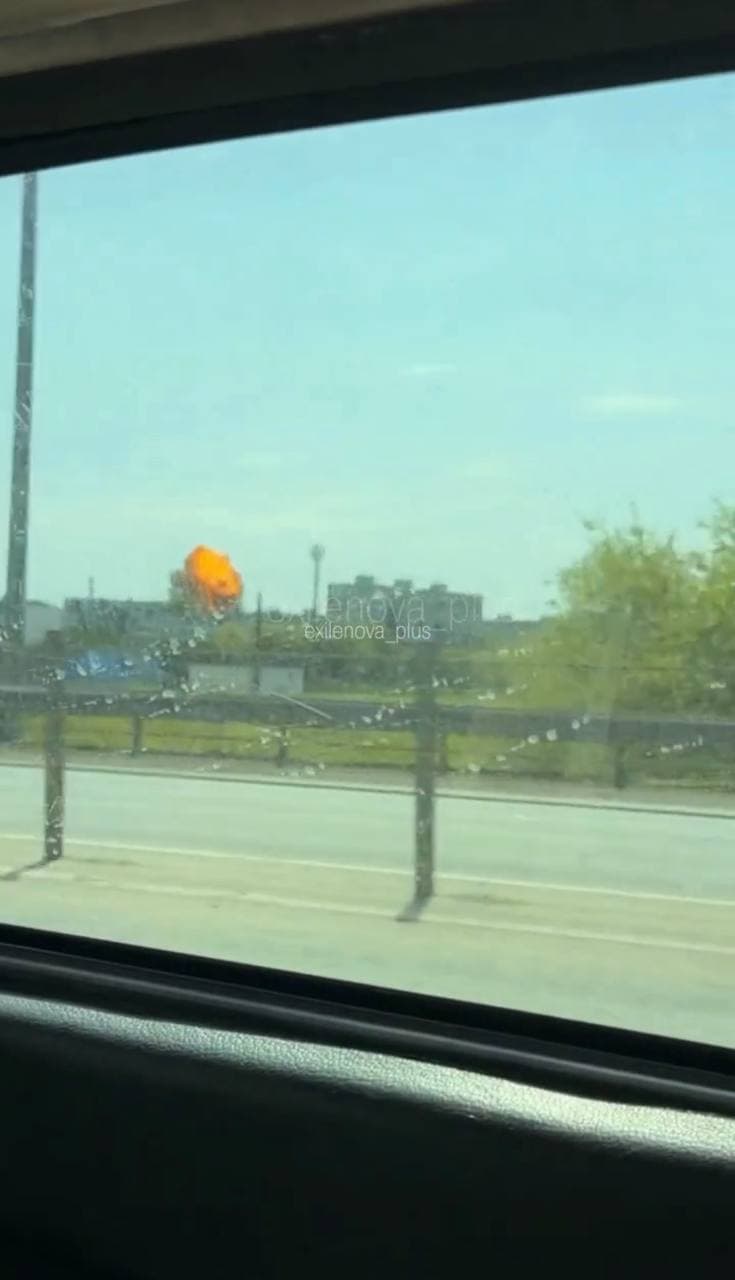
Photos and videos allegedly showing a Ukrainian drone being shot down began circulating online around noon local time.
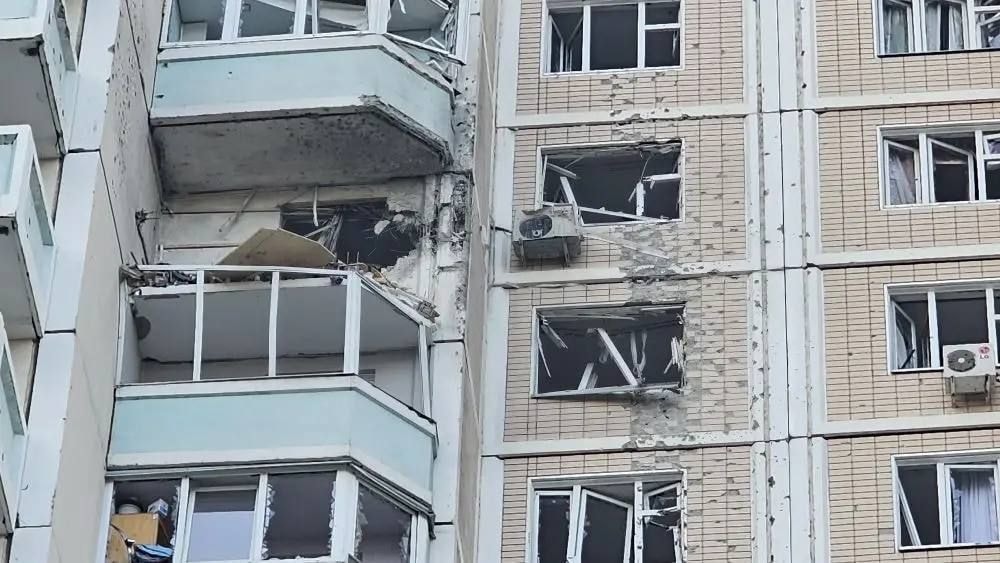
Regional Governor Evgeny Solntsev said Russian air defenses downed nine drones over the region during the attack. Falling debris reportedly damaged a residential building, a school, and a kindergarten, while there were no casualties, Solntsev added.
Solntsev did not report any damage to industrial facilities in the region.
Russian independent outlet Astra reported the drone was allegedly downed just 4 kilometers (2.5 miles) from the Strela production plant, which is a manufacturer of cruise missiles and components for Su and MiG aircraft.
The Ukrainian Telegram channel Supernova Plus said that Orsknefteorgsintez, one of Russia's largest refineries in the southern Urals, was hit during the attack on the wider Orenburg Oblast.
Founded in 1935, Orsknefteorgsintez is one of the oldest and largest refineries in the southern Urals, with an annual capacity of 6.6 million tons of crude oil.
Russia's Orenburg Oblast lies roughly 800 kilometers (about 500 miles) from the Ukrainian border, its industrial infrastructure, vital to the Russian military and economy, is regularly targeted by Ukrainian long-range drones.
Elsewhere, air alarms sounded in the city of Chelyabinsk, Chelyabinsk Oblast. Smoke was reported in the area of a Chelyabinsk zinc processing plant, according to Exilenova Plus, though the cause is not yet clear.
Russia's Ministry of Emergency Situations claimed that cardboard caught fire. It added that firefighters have already extinguished the fire. No casualties were reported.
Chelyabinsk is situated around 2,000 kilometers (about 1,240 miles) from Ukrainian territory.
The Kyiv Independent could not independently verify the reports.
The attacks come after the three-day Victory Day ceasefire between Ukraine and Russia ended.
"Russia itself chose to end the partial silence that had lasted for several days," President Volodymyr Zelensky wrote on X on May 12.
Russian attacks killed four civilians and injured 27 others across Ukraine over the past day after the Victory Day ceasefire ended, local authorities said on May 12.
U.S. President Donald Trump announced on May 8 that Ukraine and Russia had agreed to a bilateral ceasefire from May 9 to May 11, which both countries confirmed.
During the ceasefire, there were no large-scale airstrikes, though the Ukrainian Air Force reported Russian drone launches and the firing of one Iskander-M ballistic missile from occupied Crimea.