Ukraine fears US will again push a deal giving Russia 'a lot' and Kyiv nothing
"The Americans are, in principle, willing to do this," a Ukrainian source familiar with the talks said.
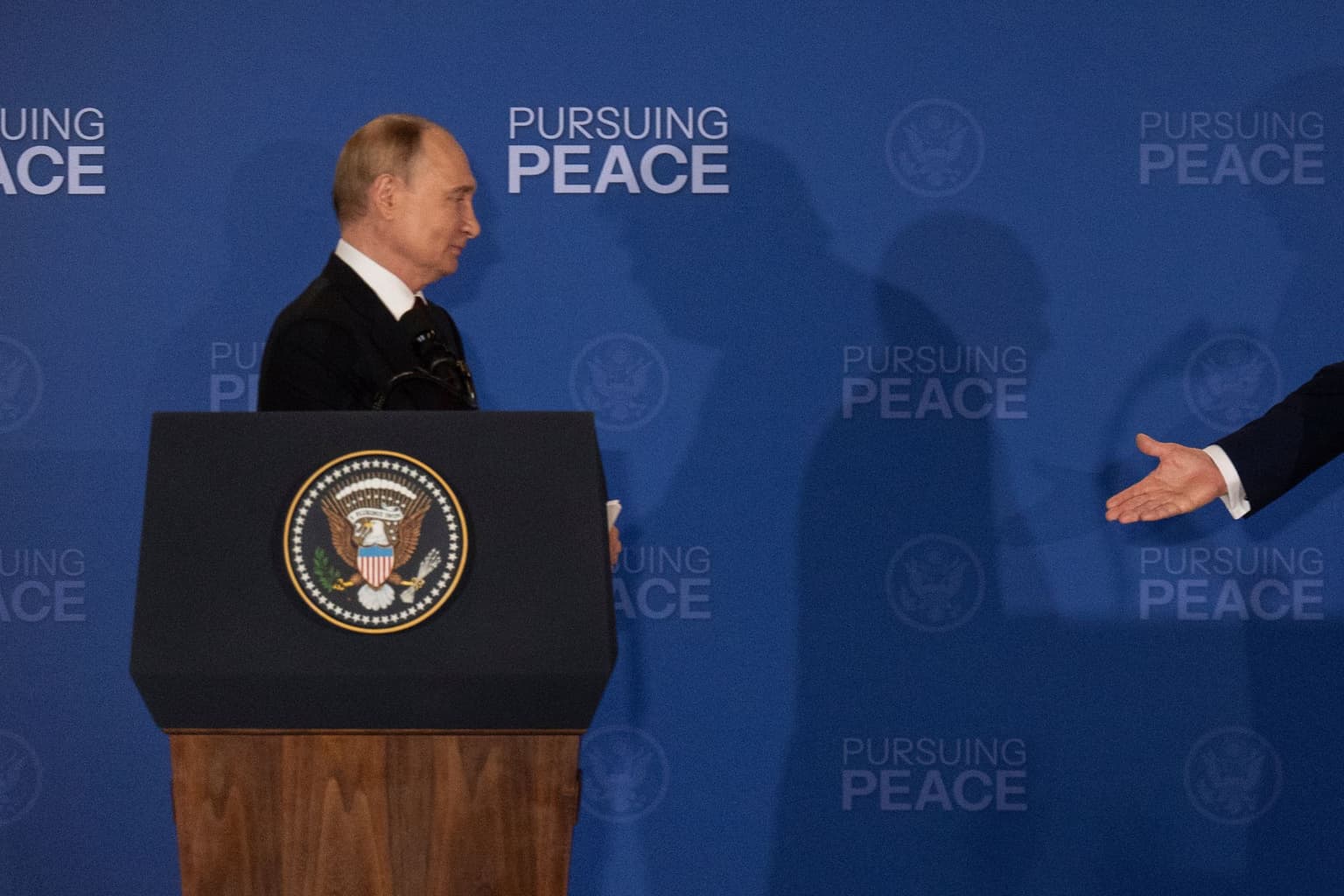
President Donald Trump (R) walks toward Russian President Vladimir Putin (L) to shake hands during a joint press conference at Joint Base Elmendorf-Richardson in Anchorage, Alaska, U.S. on Aug. 15, 2025. (Jae C. Hong / AP)
 on Google
The U.S. is attempting to broker a temporary ceasefire deal between Ukraine and Russia in exchange for sanctions relief for Moscow, the Kyiv Independent has learned, trying to revive stalled talks as Washington looks for a foreign policy breakthrough.
The effort is already triggering alarm in Kyiv.
Sources familiar with the talks say the framework lacks one thing that Kyiv considers essential: security guarantees to prevent Russia from resuming the war.
"They want Ukraine to agree to as much as possible, or at the very least not to stand in the way," one person familiar with the matter told the Kyiv Independent.
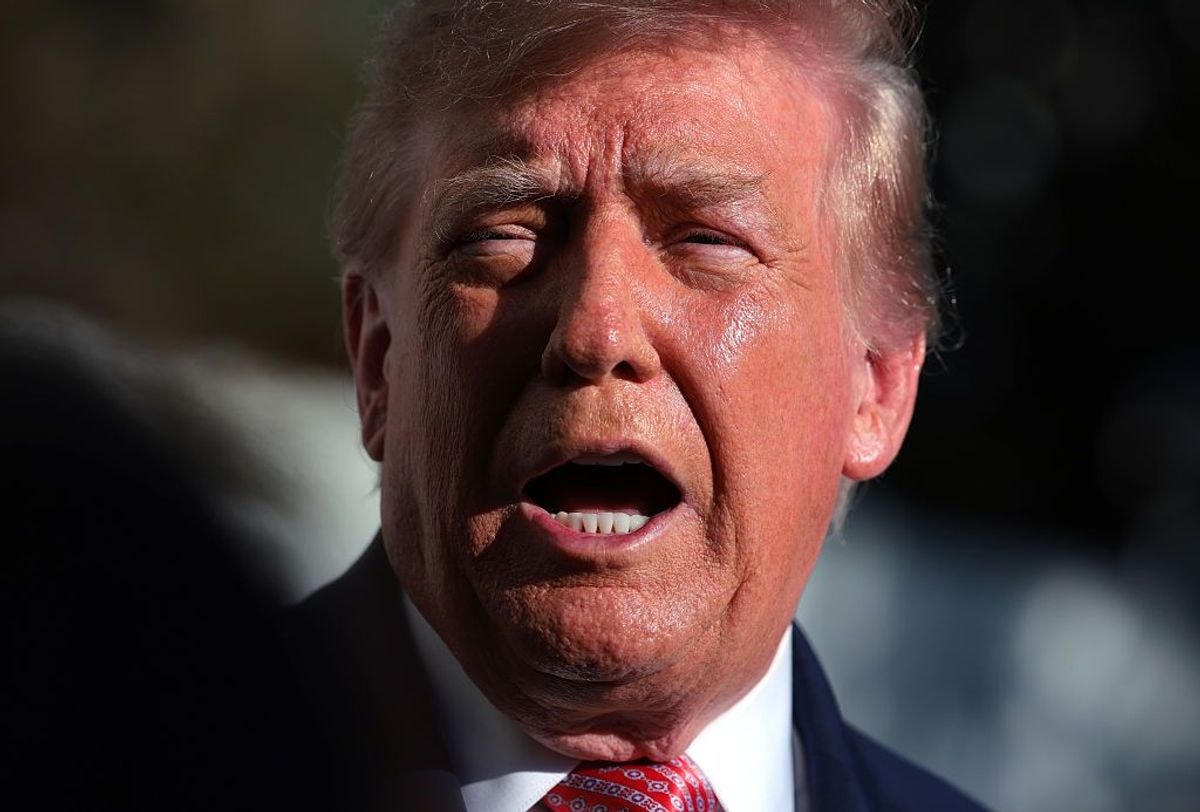
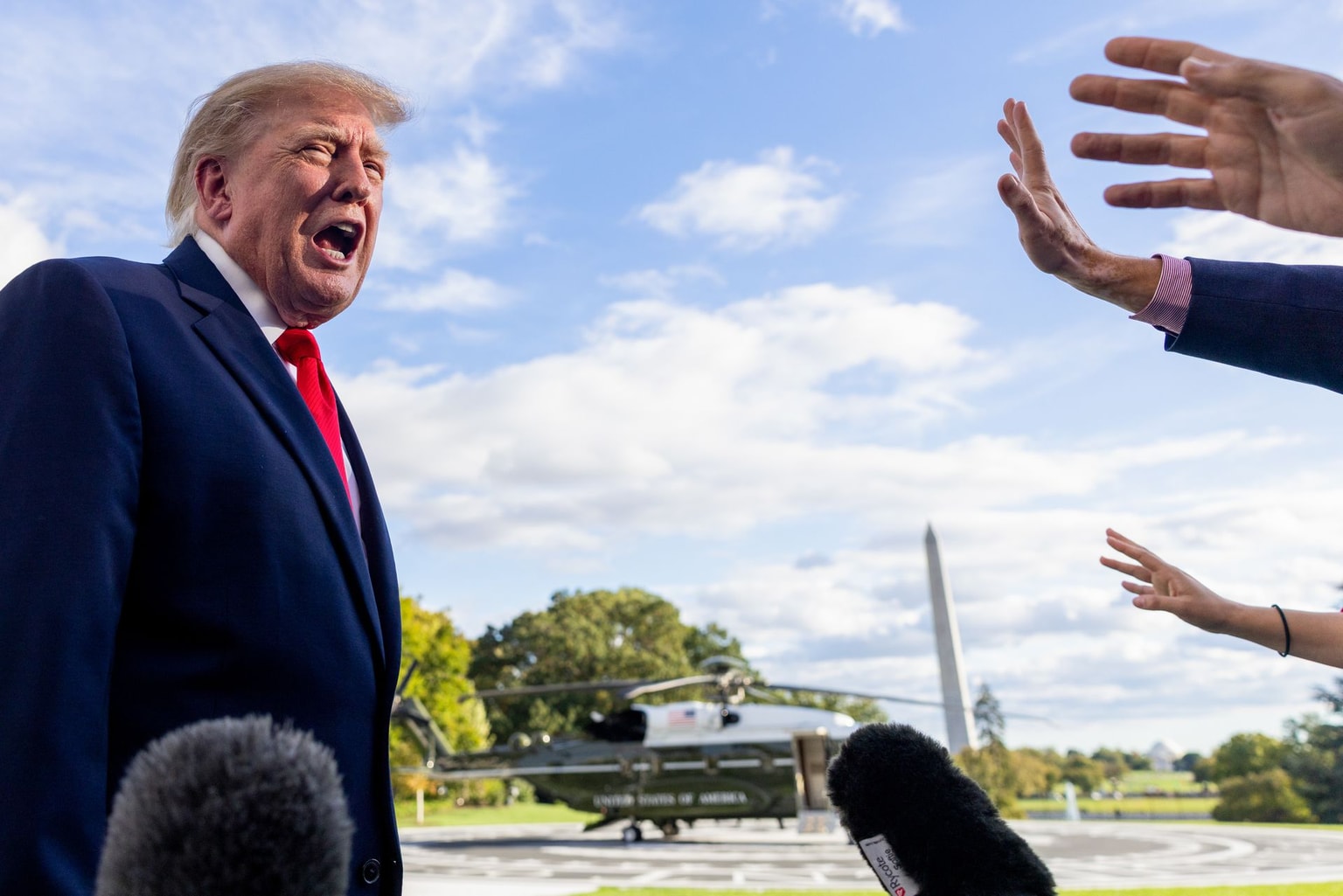
The renewed push comes as U.S. President Donald Trump unexpectedly announced a three-day ceasefire from May 9–11 in Russia's war against Ukraine — a move widely interpreted as an attempt to ensure Moscow could hold its Victory Day parade.
"It'd be nice" if the ceasefire lasted longer than three days, Trump later told reporters. But his remarks have raised a question now hanging over the negotiations: what exactly does the Kremlin expect to receive in return for a longer truce?
Inside the deal
Despite numerous rounds of U.S.-mediated negotiations involving Ukraine and Russia, diplomacy has produced no meaningful breakthrough so far.
According to people familiar with the talks, three major disputes continue to block any agreement. The central issue remains Russia's territorial demands.

Kyiv argues that freezing the current front line represents the only realistic basis for a ceasefire at this stage of the war. Moscow, meanwhile, continues to demand that Ukrainian forces withdraw from parts of Donbas that Russia failed to capture.
But the dispute goes beyond Donbas.
Another major sticking point is the Russian-occupied Zaporizhzhia Nuclear Power Plant (ZNPP), the largest nuclear power plant in Europe.
The plant sits on the Russian-occupied eastern bank of the Dnipro River near Enerhodar, leaving Ukraine without physical access to the surrounding territory.
According to one Ukrainian official, Russia insists on maintaining control over the facility as part of any settlement discussions with the United States.
"For us, this is unacceptable," the official said.
The issue has become increasingly sensitive because earlier versions of U.S. peace proposals included discussions about transferring Ukrainian nuclear infrastructure under some form of American oversight or management as part of arrangements.

The other two issues, according to one person familiar with the talks, involve international recognition of Russian-occupied territories and sanctions relief.
"In general, the Russians are concerned about three things: Donbas, recognition of the territories, including the ZNPP, and lifting sanctions," the source said.
"The Americans are, in principle, willing to do this."
The White House twice declined to comment to the Kyiv Independent on the substance of the discussions.
Sanctions relief has emerged as one of the Kremlin's primary objectives as Russia's economy increasingly struggles under the long-term restrictions.
For the U.S., easing sanctions is seen by some officials as leverage that could incentivize Moscow to agree to at least a temporary ceasefire.
That approach has deeply unsettled Kyiv.
Lack of security guarantees
The biggest concern for Ukraine is not only what Russia could gain from such a deal, but what Ukraine may not receive in return.
Kyiv has repeatedly argued that any ceasefire without enforceable security guarantees would merely allow Russia to regroup, rearm, and attack again later.
In March, President Volodymyr Zelensky said the U.S. appeared willing to provide such guarantees only if Ukraine agreed to withdraw from the Donbas.
One Ukrainian official told the Kyiv Independent that Washington has not signed any binding commitments and instead proposed discussing guarantees only as part of a final comprehensive settlement.
One U.S. official confirmed to the Kyiv Independent that security guarantees could only realistically be implemented after fighting stops.

The logic behind that approach, according to the official, is that guarantees are difficult to operationalize while active hostilities continue.
For Kyiv, that sequencing creates what officials see as a dangerous loophole.
Ukraine fears a scenario in which fighting pauses, sanctions on Russia are eased, international pressure to maintain unity around Ukraine weakens, and Moscow later resumes military operations before meaningful guarantees are finalized.
"We're still having a hard time properly putting together our security guarantees," one Ukrainian official said. "There are many things they don't like."
read also
Stalled talks, pressure on Kyiv
At the same time, Ukrainian officials are openly signaling dissatisfaction with the proposals currently being discussed.
One Ukrainian official described the emerging framework as "a very bad deal" that effectively gives Moscow "a lot."
Moscow itself appears confident that time is working in its favor. On May 7, Kremlin aide Yuri Ushakov dismissed the need for another round of trilateral talks between Russia, Ukraine, and the U.S. unless Kyiv first agrees to Russian territorial demands.
"Kyiv needs to take just one significant step, after which, first, hostilities will cease, and second, the way will be paved for serious discussions on a long-term settlement," Ushakov said, referring to a Ukrainian withdrawal from Donbas.
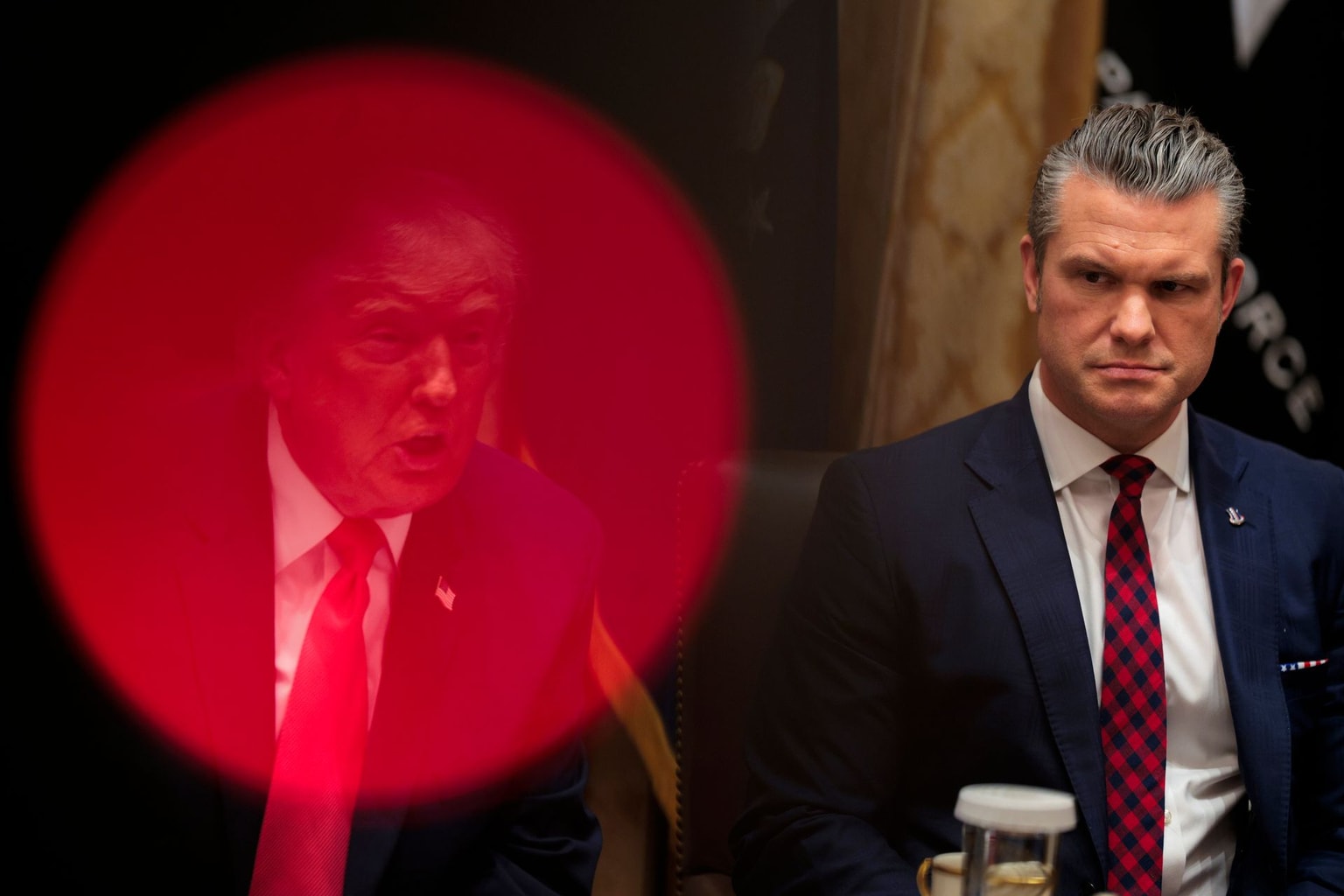
According to one Ukrainian official, Washington is expected to intensify pressure on Kyiv as the White House seeks foreign policy achievements ahead of the U.S. elections in November and amid growing instability in the Middle East.
"Things are about to escalate because they have elections coming up," the official said.
"Sometime around May, June, or July, depending on developments with Iran."
read also
Note from the author:
Hi, this is Tim Zadorozhnyy, the author of this article.
From our newsroom in Ukraine, we report on the issues that matter to a global audience, without outside influence. Independent journalism is only possible with reader support. If you value our work, please consider supporting us — it makes a real difference.