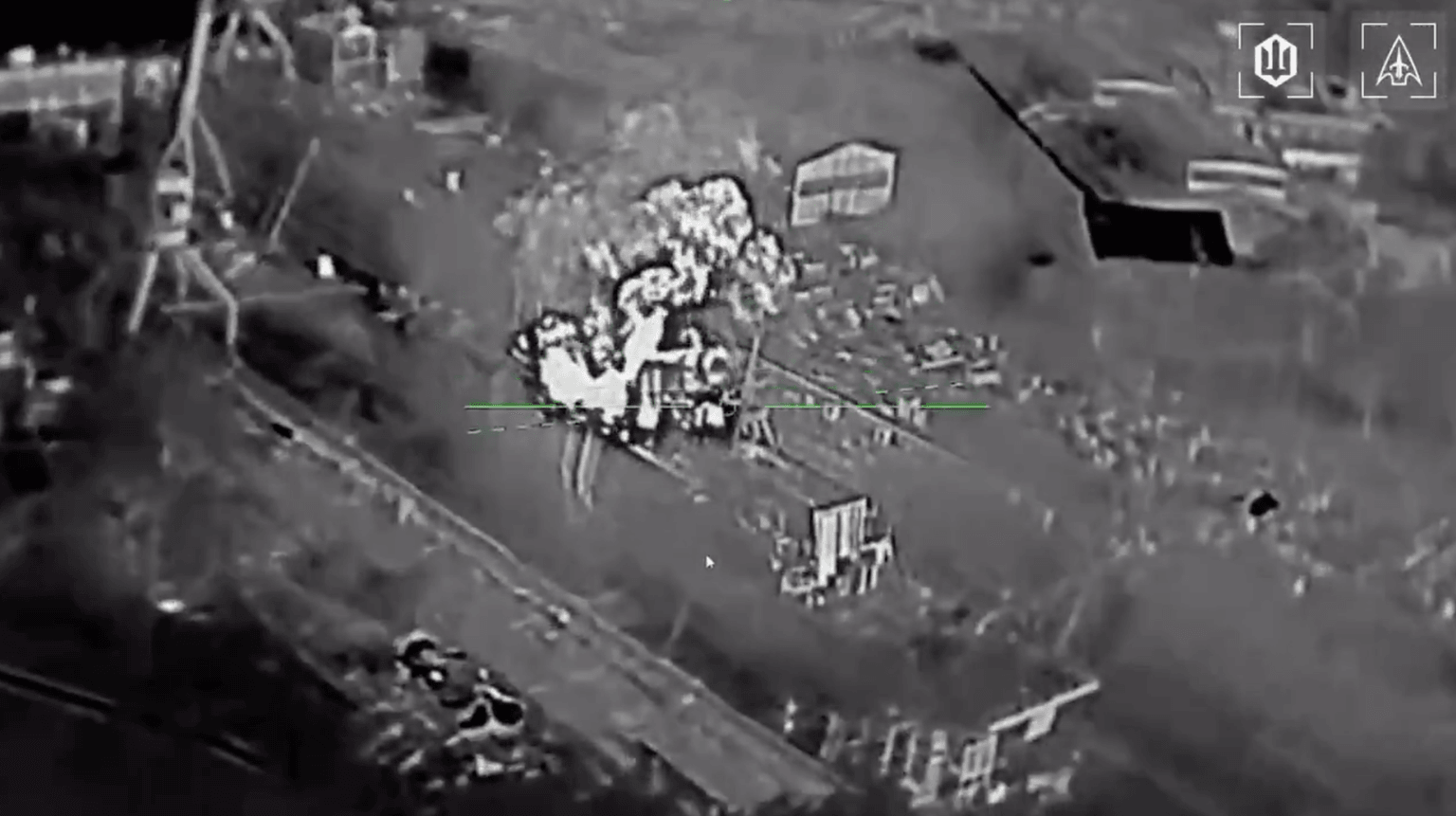
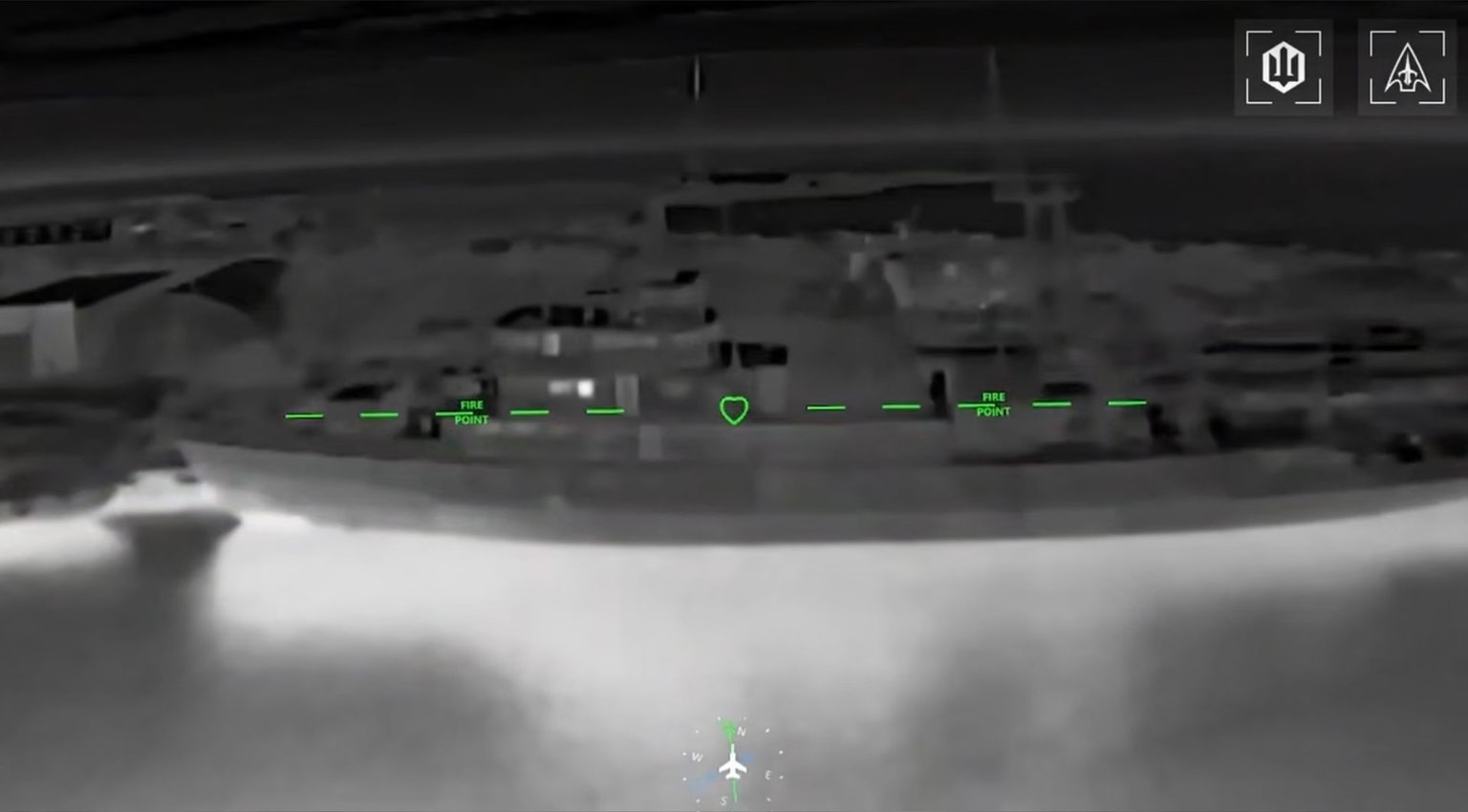
Russian drone strikes Ukrainian train with 200 passengers on board
 on Google

A Russian drone hit a passenger train in Ukraine's Sumy Oblast on March 8, the media outlet Suspilne reported, citing the regional prosecutor's office.
The attack took place at around 5:30 a.m. local time, according to Suspilne.
The train at the time had 200 passengers on board.
Local authorities reported no injuries at the time, and passengers were redirected to their final stations. Train operator Ukrzaliznytsia, or Ukrainian Railways, told Suspilne that they planned no changes to the route.
The strike was part of a broader overnight aerial campaign on Ukrainian railways that hit a number of junctions in western Ukraine as well, with Ukrzaliznytsia reporting damage in Rivne, Zhytomyr, and Vinnytsia Oblasts.
The drone was preliminarily identified as a Lancet, one of Russia's preferred strike drones.
Ukrainian railways have had a rough go of the past several months as Russia has ramped up its attacks on Ukrainian infrastructure near the frontline.
The campaign has not spared civilians. A similar drone strike at the end of January killed five people and injured two others in Kharkiv Oblast, Sumy's neighbor to the southeast.