Belgium open to using frozen Russian assets to help Ukraine if Europe shares risks
 on Google
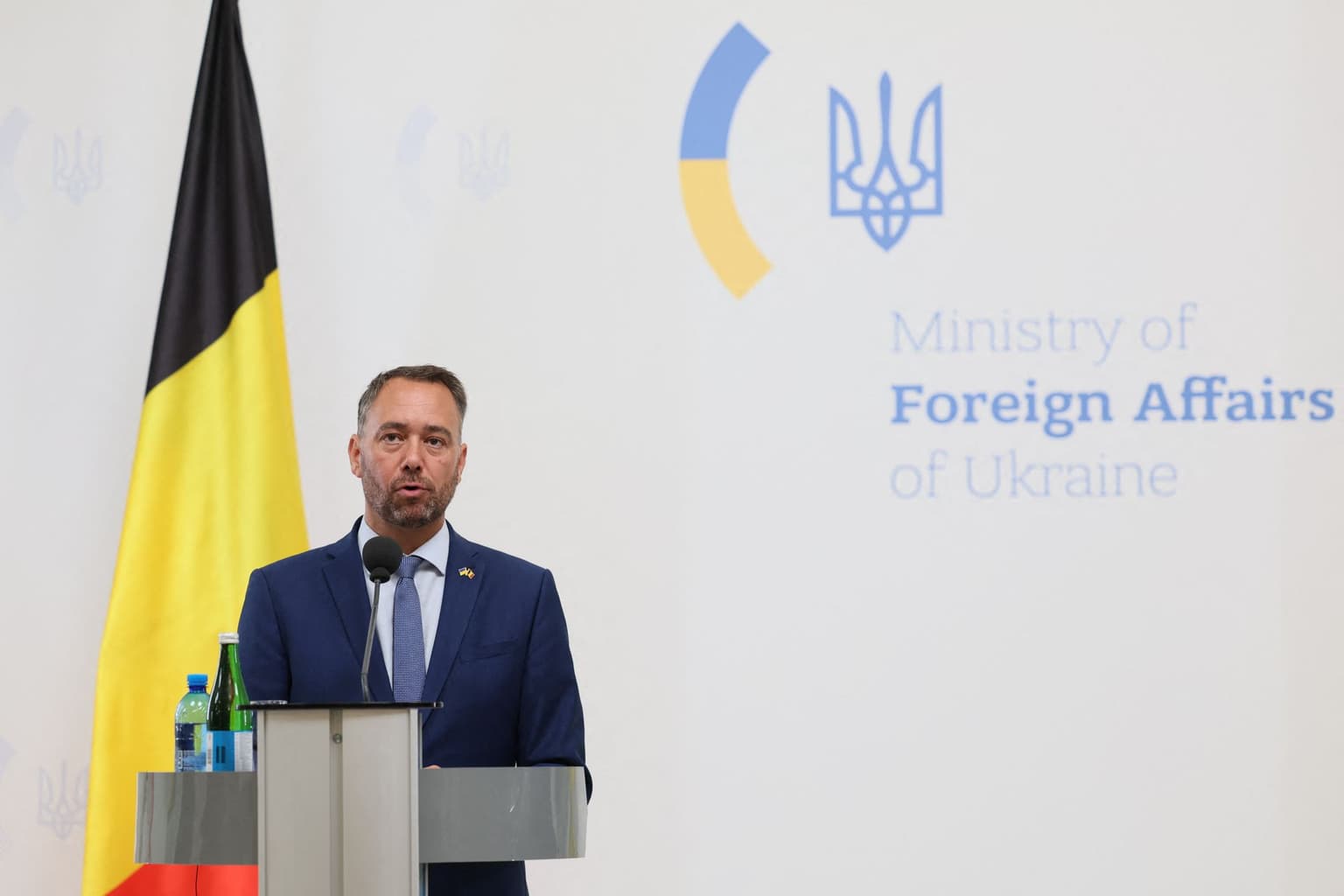
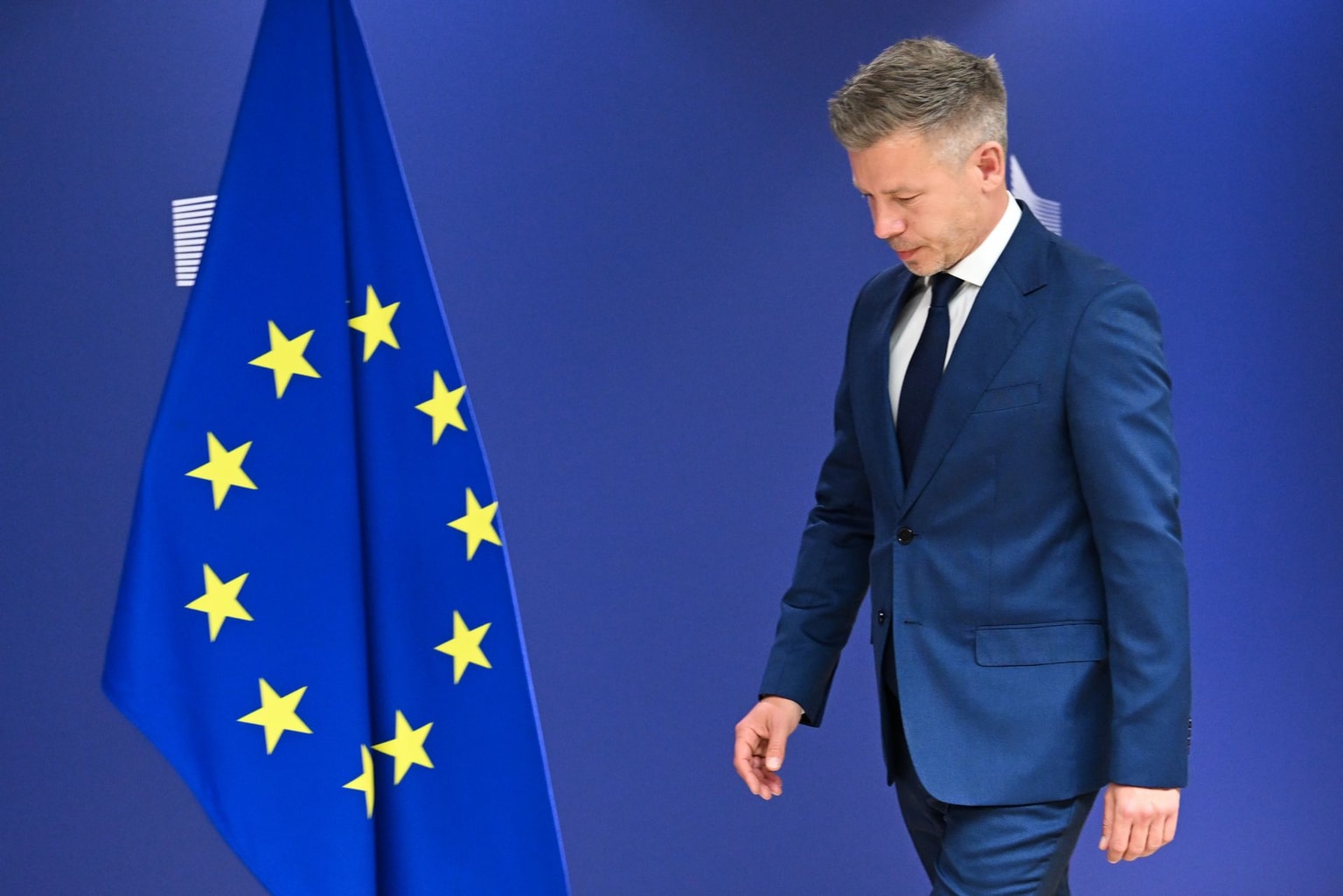
Belgian Foreign Minister Maxime Prevot on Aug. 18 signaled his government could support using about 200 billion euros ($230 billion) of Russian frozen assets to support Ukraine, provided Europe shows "solidarity" in sharing the risks.
Last December, Belgium blocked the EU's plan to use frozen Russian sovereign assets — most of which are held in Euroclear, a Belgium-based clearing house — to back a major loan for Ukraine, denying Kyiv a much-needed source of funding.
The EU instead agreed in April to support two-thirds of Ukraine's budgetary needs until the end of 2027 through a 90 billion-euro ($104 billion) loan, which is financed through borrowing on international capital markets.
Without further financial support, Kyiv is likely to need more help by the middle of 2027.
"The risks we identified at the time have not miraculously vanished. But we have no fundamental objection to this money being used to support the Ukrainian cause," Prevot said during a press conference in Kyiv.
Belgian Prime Minister Bart De Wever opposed an EU attempt to convert the assets into direct support for Ukraine mainly due to fears that Belgium would risk having to repay Russia on its own if Moscow were to win a legal challenge against the move.
Belgium "does not have the capacity alone to carry on its shoulders the reimbursement of over 200 billion euros," Prevot said.
For Prevot, the prerequisite to any such use of Russian assets is that the action would have to be coordinated among European countries "or even beyond," with "previously negotiated solidarity clauses" in place.
"That solidarity never materialized, probably because a lot of other capitals were also aware of the risks and did not want to share them," he added.
The minister also stressed that "at no point should Belgium's hesitations, or its refusal to make use of the frozen assets, be understood or interpreted as a lack of willingness to help Ukraine, and even less as a wish to provide any kind of help to Russia."
The risk Belgium fears stems primarily from a bilateral investment treaty that Belgium still has with Russia.
Signed at the end of the Cold War, the treaty rules out any "expropriation" of Russian assets.
However, the legality of that treaty is in doubt after the EU said that countries should not enforce any rulings from any court that go against the bloc's sanctions rules.
In the bloc's 21st sanctions package, adopted in July, the agreed text mentions "safeguards" to protect entities that uphold sanctions against outside legal pressure, albeit without specific details.
Russia has repeatedly filed court cases against Belgium in an effort to get its assets released, so far without success.
In Brussels, attention is slowly shifting towards laying the groundwork for an eventual seizure of Russia's frozen assets.
Two national diplomats have told the Kyiv Independent that EU countries are mulling a coordinated termination of the bilateral investment treaties that 17 member states still have with Russia.
The EU's Economy Commissioner Valdis Dombrovskis highlighted in April that the terms of the 90 billion-euro ($104 billion) loan mean that, eventually, the question of Russian assets will have to be revisited.
"Nevertheless, we will need, with the support of experts if necessary, to find a legally sound solution that mitigates all these risks. Otherwise, Belgium will likely maintain its cautious reserve position," Prevot said.
"Let's see what the next few months bring," he added.