Russia plans to increase its Unmanned Systems Forces to 165,500 by end of 2026, Syrskyi says
 on Google
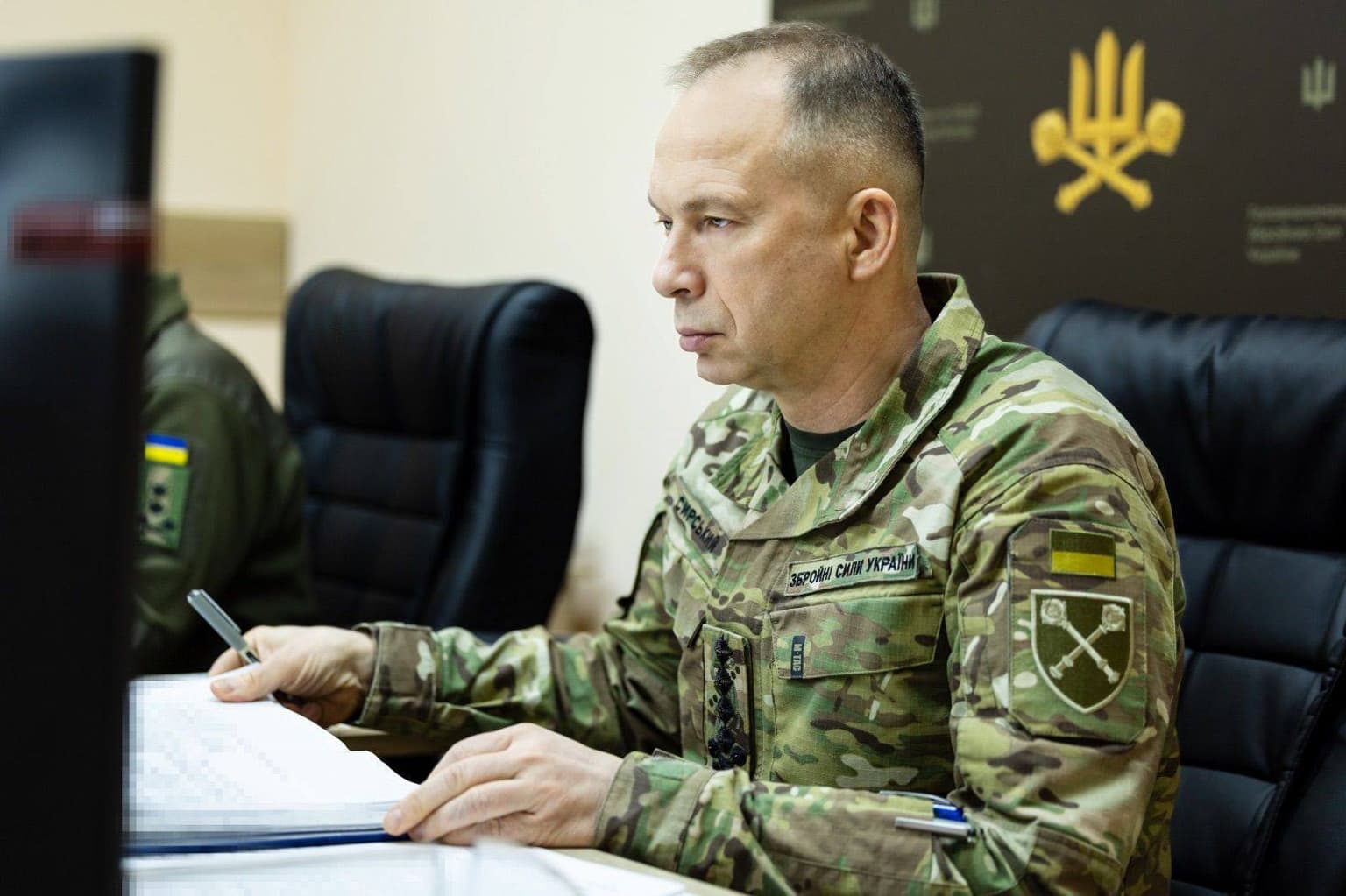
Russia plans to increase the size of its Unmanned Systems Forces by about 60 percent, aiming for a total of 165,500 by the end of 2026, Ukraine's Commander-in-Chief Oleksandr Syrskyi said on April 9.
"The enemy is not standing still," Syrskyi said in a Facebook post, where he outlined the performance of Ukraine's Unmanned Systems Forces and their impact on the battlefield.
Russia's Unmanned Systems Forces currently stand at 101,000, Syrskyi said, citing Ukraine's intelligence data.
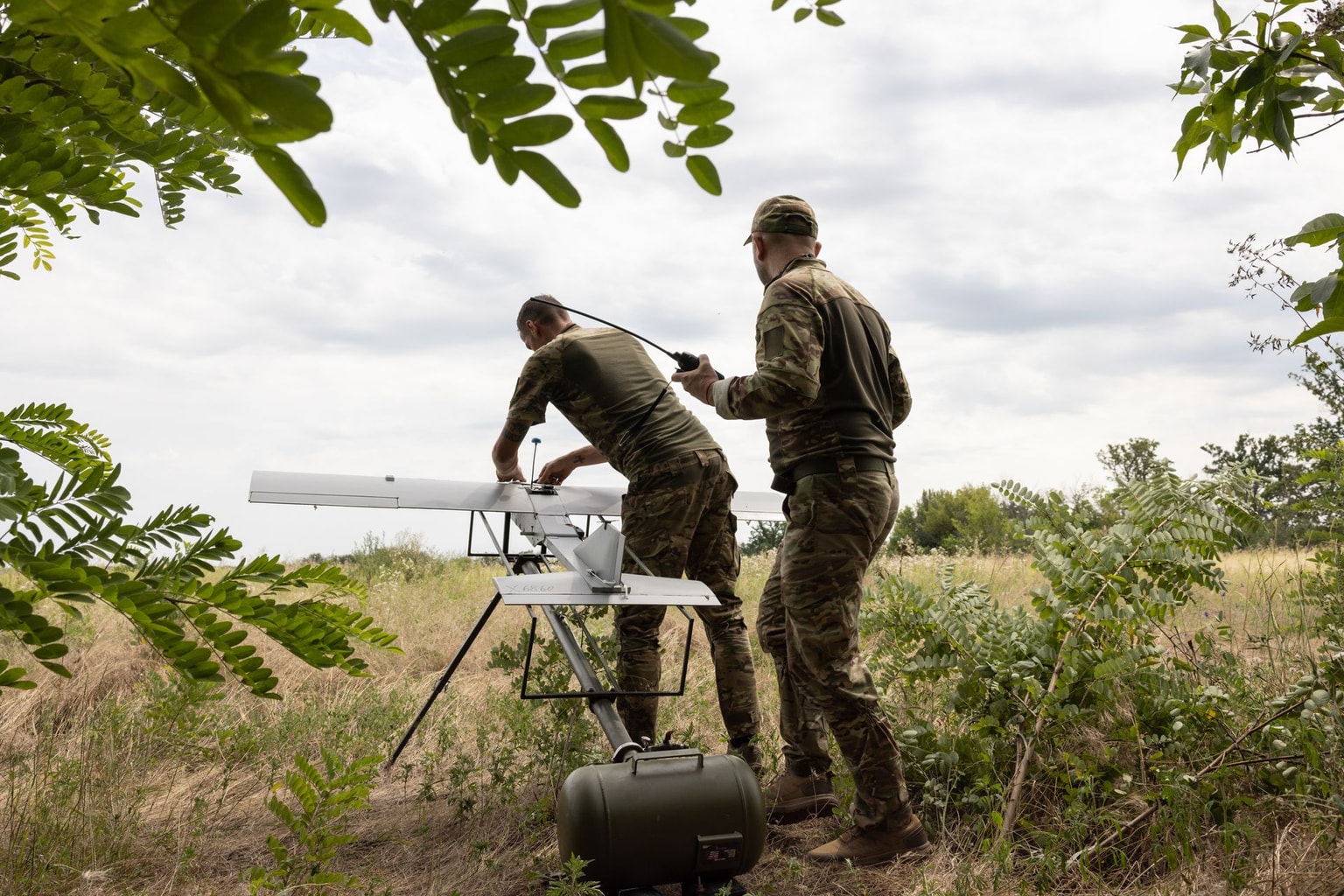
In the current drone-dominated phase of the war, Ukraine and Russia are racing to expand their Unmanned Systems Forces by increasing personnel numbers and developing long-range drones and ground robotic systems to gain an advantage.
Syrskyi said that the Ukrainian military is preventing Russia from launching a large-scale offensive, with drone units as one of the key factors, which he said are "currently inflicting the most widespread and effective damage on the enemy."
Syrskyi claimed that over the four-month period from December 2025 to March, Ukraine's unmanned systems units have inflicted more casualties on Russian troops than Moscow recruited into its ranks. Without specifying a number, Syrskyi said Russian personnel losses inflicted by Ukraine's Unmanned Systems Forces increased by almost 30%.
"We continue to break the enemy's backbone while saving the lives of Ukrainian soldiers," Syrskyi said of the Unmanned Systems Forces' work.
More than a year after Ukraine established its Unmanned Systems Forces, a military branch specifically dedicated to drone and robotic warfare, Russia created its own in November 2025.
"Operational regiments and other units have been formed," Sergey Ishtuganov, the deputy head of the new unit, said then in an interview with Komsomolskaya Pravda.