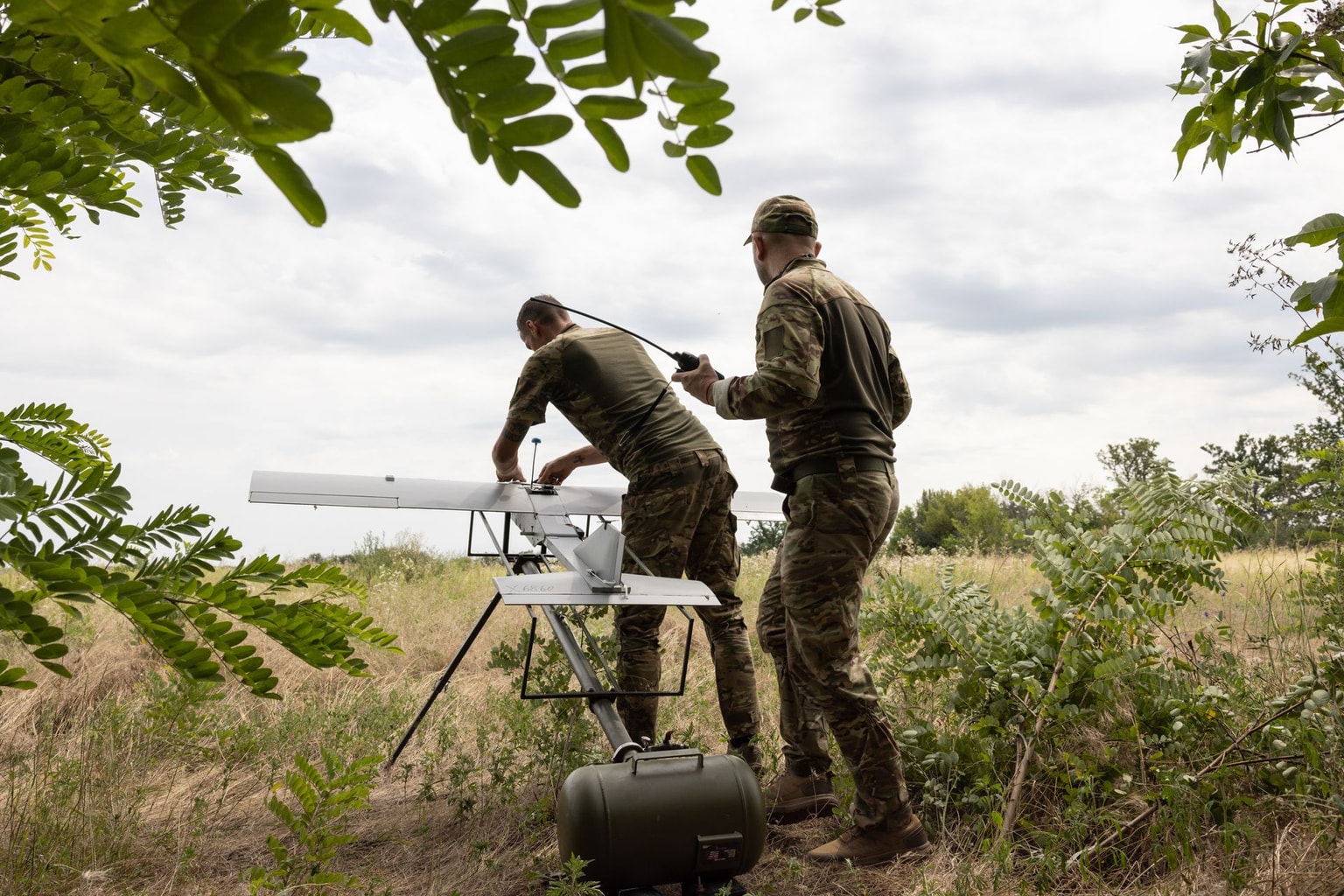
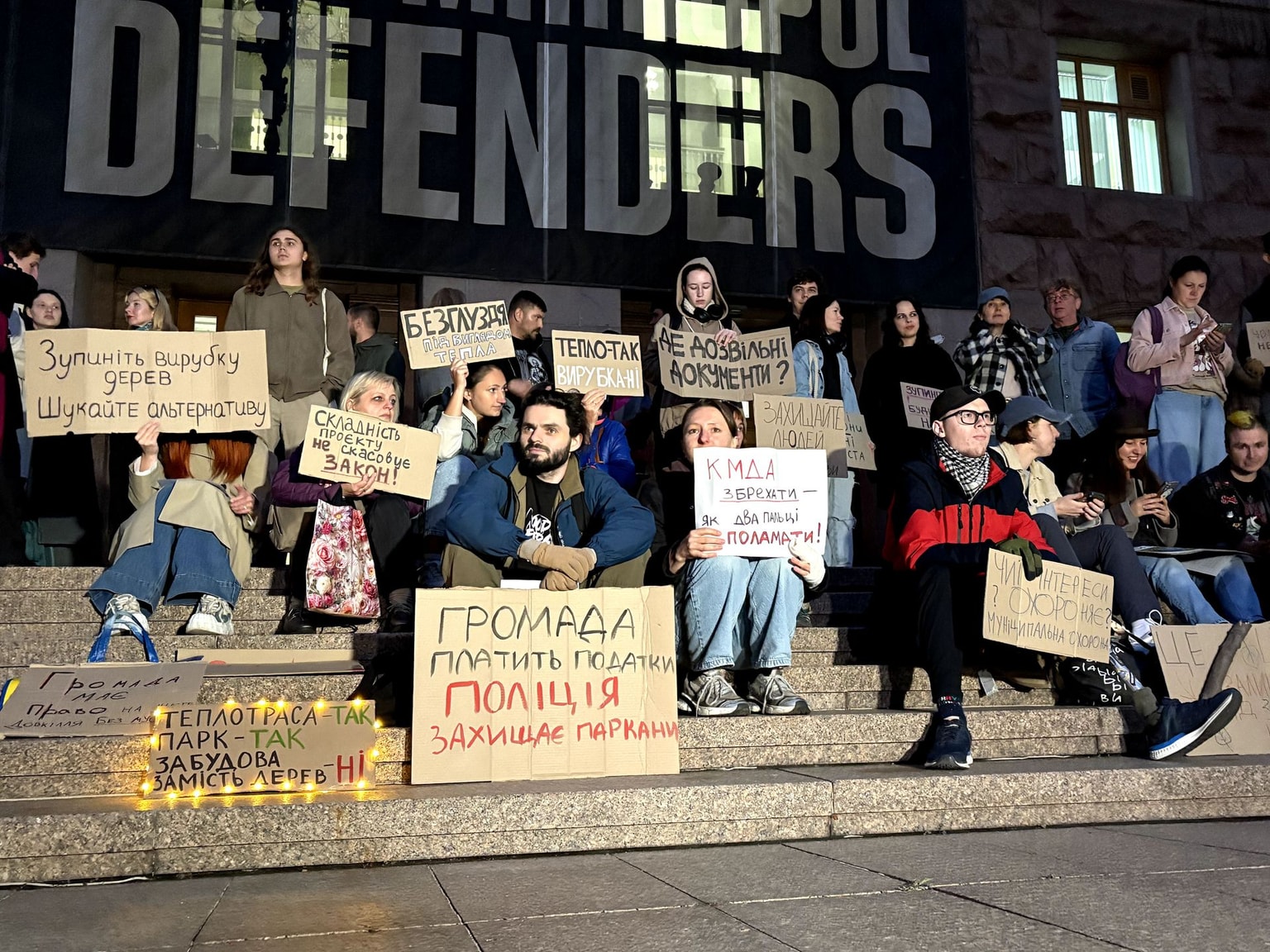
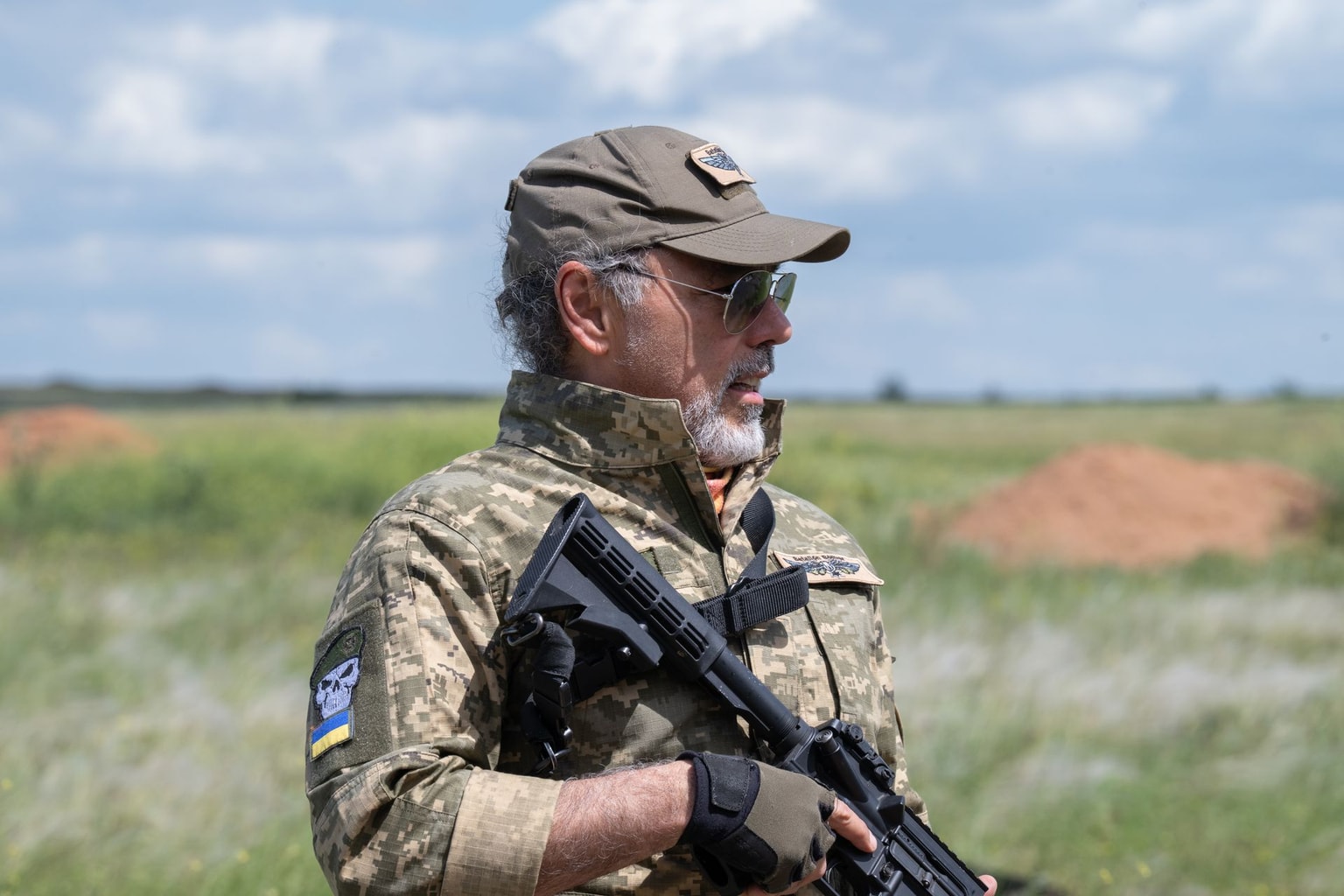
Russia's recruitment system nears breaking point, forcing debate over forced mobilization
As contract enlistments slow and battlefield losses mount, experts say the Kremlin may face pressure to consider a politically risky draft expansion.
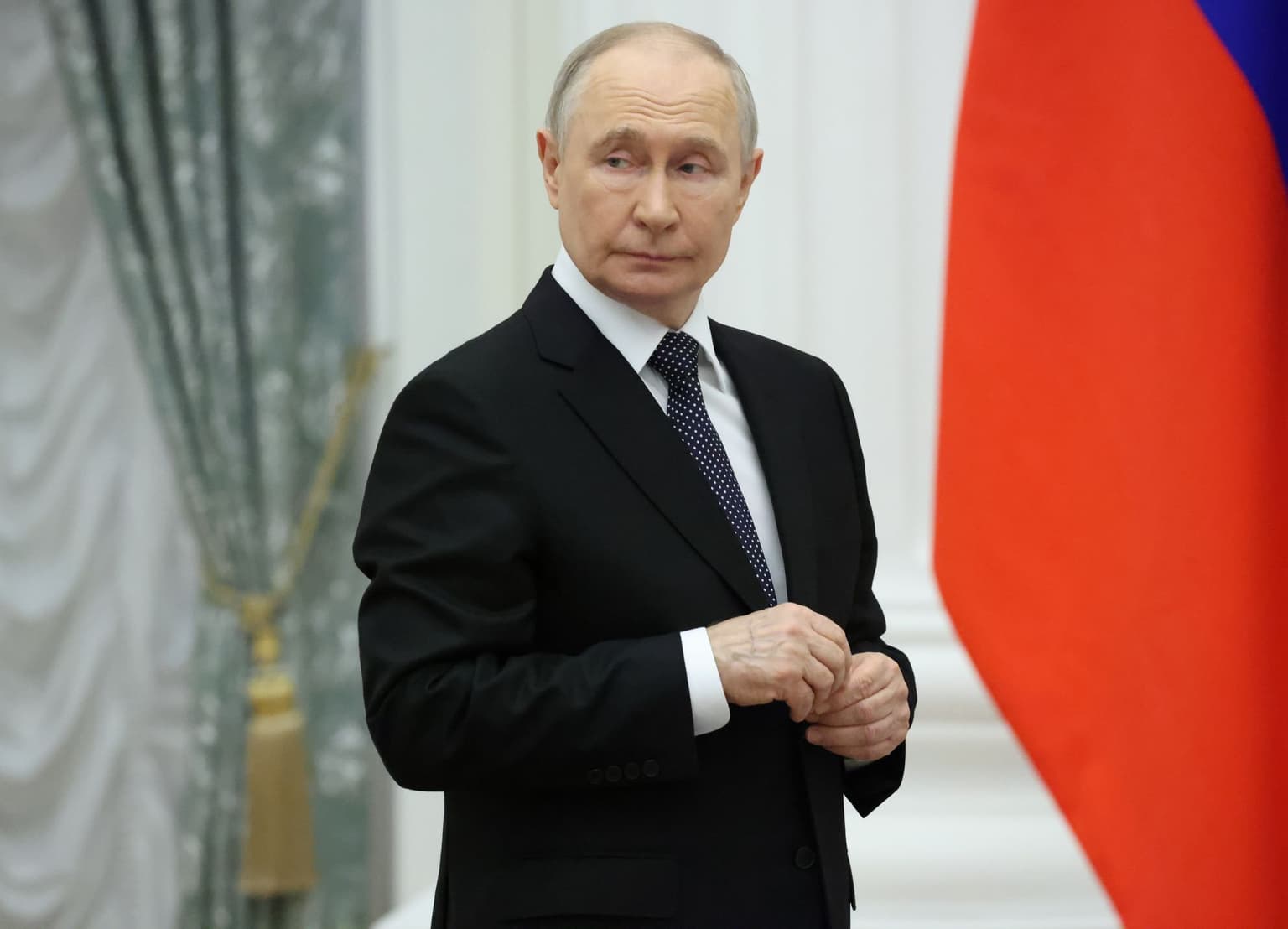
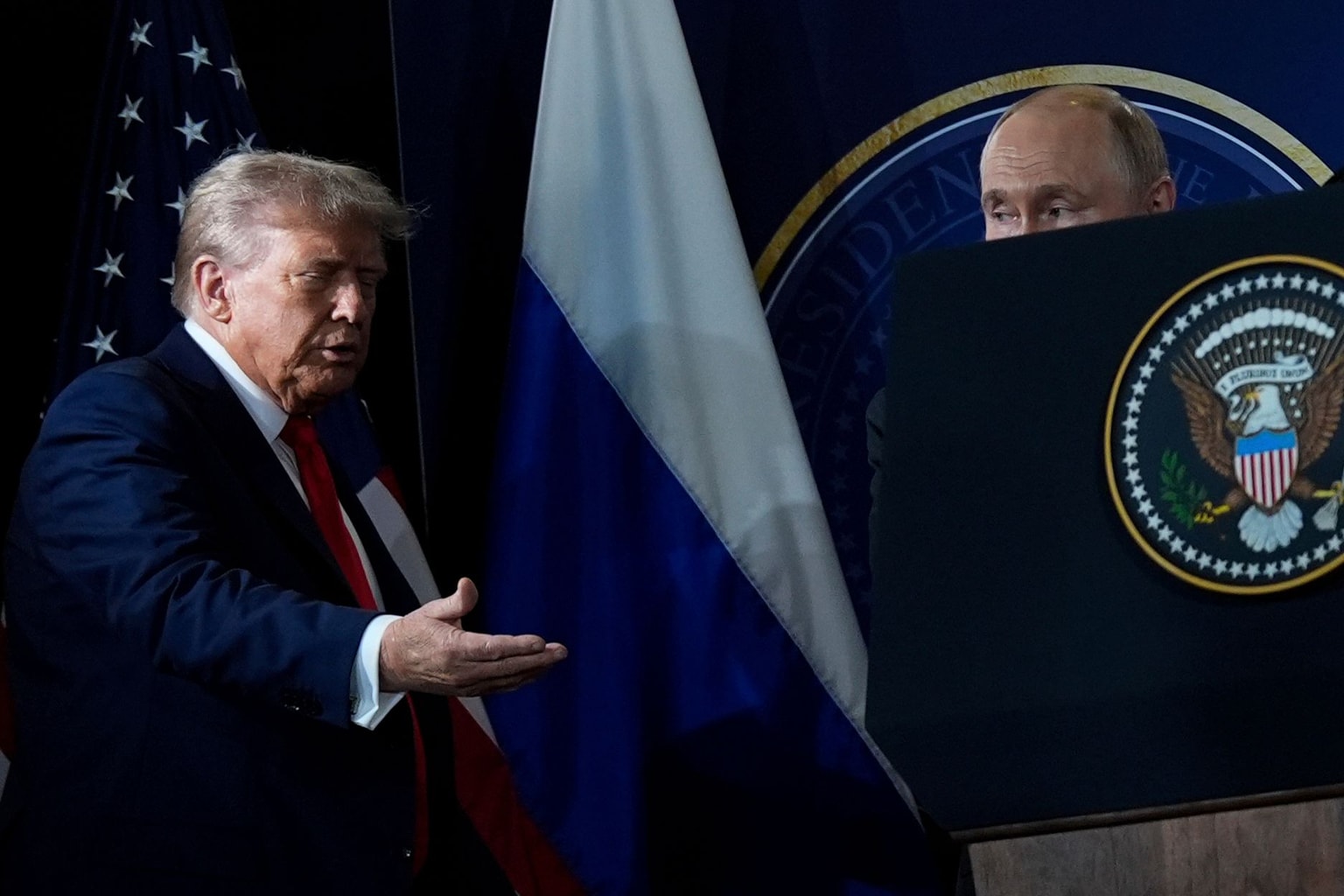
Russian President Vladimir Putin in Moscow, Russia, on May 21, 2026. (Contributor / Getty Images)
 on Google
As Russian battlefield gains slow and recruitment drive falters, Ukraine is warning that the Kremlin may finally reach for the measure it has long resisted — a forced mobilization.
According to Kyiv, Moscow is preparing to call up tens of thousands of fresh soldiers to offset its climbing battlefield losses.
But analysts believe Russia would only take that gamble in case of an imminent front-line collapse, or a sweeping pivot to a war economy — one that could signal preparations to push the conflict beyond Ukraine's borders.
The first wave of "partial mobilization" in September 2022 sparked protests and prompted hundreds of thousands of Russians to flee abroad. Yet, the regime was able to weather the storm.
Now, with a war-weary economy and creeping fatigue among the Russian public, a fallout from a second wave could prove far harder to contain.
"If Russia does trigger military mobilization, it is a sign that the regime is under tremendous strain and is politically trapped," says Max Bergmann, an analyst at the Center for Strategic and International Studies (CSIS).
A mobilization is a "huge gamble for (Russian President Vladimir) Putin, a bet that could put himself and his regime at risk," the expert told the Kyiv Independent.
The recruitment drive losing steam
Russia's 2022 push to mobilize 300,000 reservists came on the heels of Ukraine's successful counteroffensives in the Kharkiv and Kherson oblasts.
The chaotic mobilization, the largest call-up since World War II, forced the Russian public to reckon with the reality that this war would be a long one — and might impact them directly.
While the Kremlin declared the unpopular draft over already in November, no decree officially canceled it.
Fearing the political fallout of a new mobilization wave — particularly in Russia's economic centers like Moscow or St. Petersburg — the Kremlin instead turned to contract soldiers, offering hefty financial bonuses.
Alongside this came the mass recruitment of convicts and what experts called "crypto-mobilization:" the systematic coercion of migrants, people from Russia's peripheries, and ethnic minorities into signing up for the war.

Men from occupied Ukrainian territories have also been forced to go fight against their homeland.
However, there are signals that this might not be enough to meet Russia's wartime needs.
A January CSIS report said that Russia suffered around 1.2 million battlefield casualties as of December 2025, including up to 325,000 troops killed.
To offset these staggering losses, Moscow needs to recruit more than 30,000 fresh troops every month.
Ukrainian intelligence claims that about 70,500 new Russian soldiers signed contracts in the first three months of 2026, falling short of the Russian Defense Ministry's goal by about 30,000.
Janis Kluge, a Russia expert at the German Institute for International and Security Affairs (SWP), provides similar estimates: 71,216 new contracts in the first quarter of this year, the lowest rate in three years.
For comparison, about 90,000 contracts were signed during the same period last year, according to the researcher.
This is despite Russia once again increasing sign-up bonuses and other financial incentives, such as exempting recruits from debts of up to 10 million rubles (around $139,000).
Prisons, a common recruitment pool for the most brutal and suicidal assignments, are also emptying up. The number of prisoners dropped from 456,000 in 2021 to 282,000, partly due to the recruitment drive, Russian officials said in May.
Behind the scenes, the Kremlin is ramping up coercion to fill its ranks — pressuring students, setting recruitment quotas for businesses, and issuing mobilization orders to reservists summoned for "medical" or "administrative" check-ups.
From a military perspective, Moscow would need to conduct at least a partial mobilization to overcome its manpower shortage, says Kateryna Stepanenko, a Russia analyst at the Institute for the Study of War.
“Russian casualties have started to surpass the Russian recruitment rate as of late 2025, meaning that the Kremlin will need to recruit more personnel just to sustain ground assaults at the rate that Russia used to conduct in 2025,” the analyst told the Kyiv Independent.
Moscow also needs to address rotations and the shortage of air defense personnel to counter Ukrainian drone strikes, she adds.
Mikhail Komin, an analyst at the Center for European Policy Analysis (CEPA), further noted that a launch of an electronic conscription registry could be seen as a preparation for a partial, targeted mobilization.
Nevertheless, Komin believes that political obstacles will likely prevent Russia from carrying out the draft in the near future.
read also
A scenario worse than in 2022
The public fallout from the 2022 call-up was palpable — but not serious enough to threaten the regime or undermine its ability to continue the war.
The share of Russian citizens worried about the war in Ukraine rose from 74% in August to 88% in late September, according to the Levada Center's survey.
The number of Russians who said they followed the war developments somewhat closely or very closely also went up in that period — from 51% to 66%.
Yet public support for Russia's war recorded only a modest decrease and remained — alongside public support for Putin — strong throughout the war.
Russian authorities estimated that 261,000 men fled Russia shortly after the 2022 mobilization decree was issued.


But reports suggest this initial panic quickly subsided, with many men returning home soon after struggling to adapt to life in a new country.
However, as of mid-2026, the mood among the Russian public has shifted. The population is feeling the sting of wartime inflation, increased taxes, and internet restrictions.
War is no longer distant as Ukrainian drones reach deeper and deeper into Russian territory, with growing panic visible on Russian social media.
"Today, the backlash would be even greater (than in 2022), as war fatigue has increased, while the Kremlin has failed to explain to a significant portion of the population why this war is necessary and why it should be considered just," Komin says.
"Mobilizing young men to go and fight and die in a lost cause."
Even Ukrainian drone strikes on Russian soil have not driven Russians to military recruitment offices, he adds.
Anton Barbashin, co-founder and editorial director at Riddle Russia, also notes that Kremlin planners are likely worried about the potential impacts of a mobilization on the upcoming State Duma elections in September.
While widely regarded as a sham rather than an actual electoral exercise, Russia's legislative elections nevertheless help legitimize the regime.
Anti-draft protests near ballot boxes could spoil that performance.
But even after the elections, a mobilization would be a "risky move," Barbashin adds. "I do not see any indication that it is coming."
read also
Putin boxed in
Even if, despite the risks, the Kremlin declared a new mobilization wave, there is no certainty that it would quickly tip the scales on the battlefield.
Russia's strategy of throwing infantry at the Ukrainian lines is not as effective anymore as Kyiv is gaining an edge in drone warfare.
In May, Moscow didn't gain territory, even as its losses remained relatively stable.
"Ukraine has gained the advantage on the battlefield, and while the war remains dynamic, it is just very hard to see any path toward Russian victory," Bergmann says.
"Mobilizing young men to go and fight and die in a lost cause" would indicate that the Kremlin is no longer able to financially sustain voluntary recruitments, and that Putin does not feel politically secure enough to de-escalate, he explains.
According to Komin, a mobilization is likely only in two scenarios.
"The first is as a crisis on the front lines" comparable to Ukraine's 2022 counteroffensives, he says.
Despite the recent slowdown in Russia's advance, Kyiv has not been able to replicate such operational success so far.
"Second, a decision by Vladimir Putin to escalate the war to a new level for Russia, with the declaration of martial law, a full-scale shift of the economy to a war footing, the unleashing of provocations on the borders with NATO countries, and the buildup of combat units there for a potential invasion," Komin says, adding that he considers both scenarios unlikely.
The latter argument was earlier voiced by President Volodymyr Zelensky, who said that Russia's preparations for a mobilization could be a prelude to a limited offensive against the Baltic countries.
While Baltic officials rebuffed an imminent threat of a Russian invasion, NATO brass acknowledged they must be ready for an attack as early as 2029.
Got an opinion on anything you've read in the Kyiv Independent so far?
and it may appear in our Letters section.

Note from the author:
Hi, this is Martin Fornusek.
I hope you enjoyed this article. In our team, we believe that fact-based, truthful reporting should be available to all — that's why we don't use a paywall.
If you want to see more in-depth coverage of what is happening inside Russia as it wages its all-out war against Ukraine, please consider joining the Kyiv Independent community.