Russia cuts Zaporizhzhia nuclear plant from Ukrainian grid to test Russian link as blackout nears 3 weeks, Kyiv says
 on Google
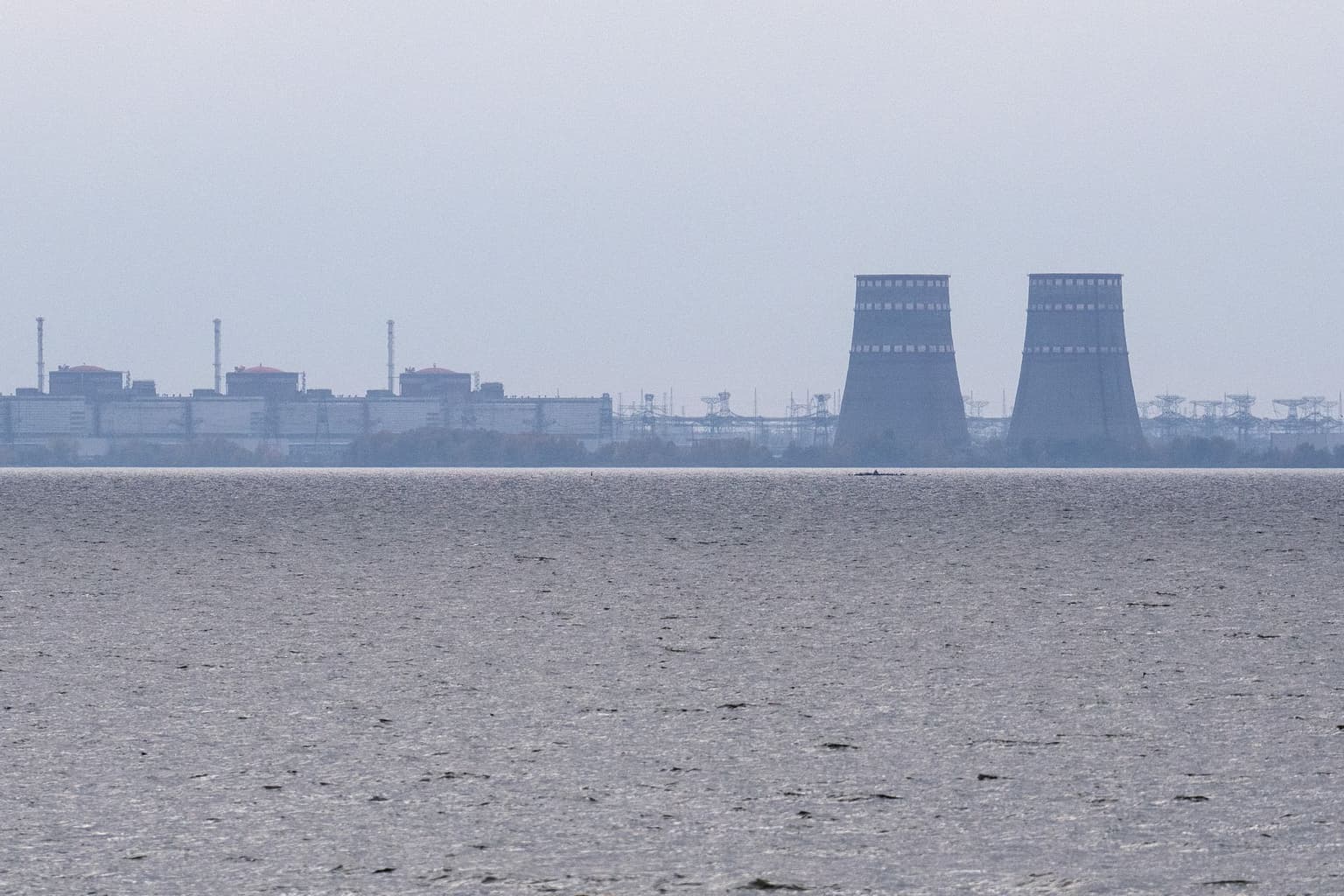
In an unprecedented move, Russia deliberately broke the connection between the occupied Zaporizhzhia Nuclear Power Plant (ZNPP) and the Ukrainian power grid to test its integration into the Russian network, Foreign Minister Andrii Sybiha said on Oct. 12.
The Zaporizhzhia plant, the largest nuclear plant in Europe, has been in blackout mode for nearly three weeks since the end of September, posing a threat to nuclear safety.
Russian troops reportedly struck a power line on Sept. 23, severing the plant's connection to Ukraine's electrical grid. As a result, the plant has been forced to rely on backup diesel generators to maintain critical safety functions and provide electricity.
"Not only is this an attempted theft of a peaceful Ukrainian nuclear facility. Unauthorized actions of Russia's (state nuclear energy corporation) Rosatom violate internationally recognized nuclear safety protocols, contradict Ukrainian license, and directly threaten a nuclear incident," Sybiha said on X.
The minister said that Russia must halt its attacks on the plant and allow repairs to the power lines to end the blackout. He also called on the international community to recognize Moscow's actions as illegal and "critically dangerous," and urged the International Atomic Energy Agency (IAEA) to put pressure on Russia.
As concerns about a potential crisis at the plant mounted, the IAEA said on Oct. 6 that its team heard "several rounds of incoming and outgoing shelling from near the site."
After Russian state media put the blame for the attacks on Ukraine's Armed Forces, the Ukrainian Foreign Ministry said on Oct. 6 that it was "a deliberate provocation by Russia."
The Zaporizhzhia plant has been under Russian occupation since March 2022. Its six reactors were shut down a month after Moscow’s occupation, but the facility still requires electricity to maintain cooling and prevent a nuclear incident.
Ukraine continues to demand the withdrawal of Russian forces from the plant and the establishment of a demilitarized zone around the facility, a proposal Russia has repeatedly rejected.