Russia blames Western sanctions for collapse of UN food deal
 on Google
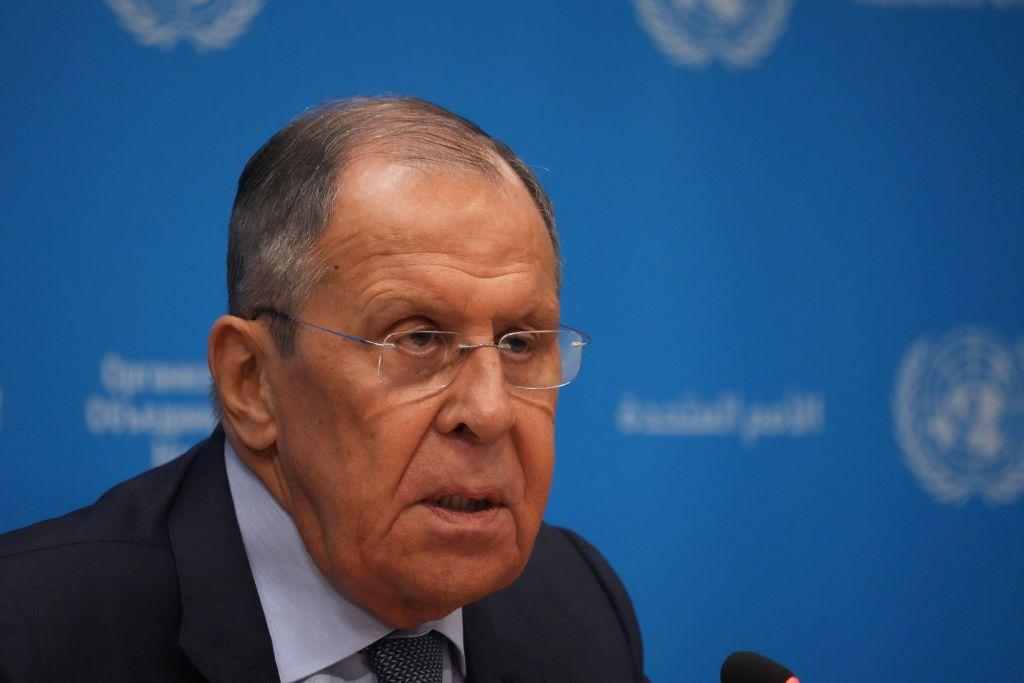
Russia claimed on July 12 that its agreement with the United Nations to facilitate Russian food exports had collapsed due to Western sanctions imposed after the full-scale invasion of Ukraine.
A day earlier, the U.N. announced that the three-year agreement would end on July 22. The deal was first signed in 2022 in an effort to bring down global food prices. It facilitated the export of Russian food and fertilizer products despite wartime sanctions.
The deal "will not be renewed" because of disagreements, a source close to the discussions told the Agence France-Presse (AFP).
Russia's Foreign Ministry issued a statement on July 12 saying an extension on the deal was not "envisaged" and blaming the agreement's collapse on Western sanctions.
"Given the destructive line of Western capitals to increase illegal unilateral sanctions against Russia, none of the objectives (of the agreement) have been successfully completed," the ministry said.
Talks between Moscow and the U.N. should continue for the sake of "global food security," the statement said.
Sanctions imposed on Russia following the full-scale invasion of Ukraine in February 2022 did not directly target Russian grain and fertilizers, but transporters were wary of violating international law and insurance premiums shot up as a result. The U.N. and Russia worked intensively to establish a framework for insurance and financial transactions in line with U.S., U.K., and E.U. sanctions.
Russia nonetheless complained regularly that the deal was not doing enough to facilitate exports.
The Russia-U.N. deal was first signed on the same day as the Black Sea Grain Initiative, which allowed Kyiv to export its agricultural products via the Black Sea despite the ongoing invasion. Russia pulled out of the deal in July 2023.
In March, during U.S.-brokered peace negotiations between Russia and Ukraine, the White House pledged to help restore Russia's access to the world market for agricultural and fertilizer exports as part of a partial Black Sea ceasefire.