Russia bans diesel exports as Ukraine strikes start to bite
 on Google
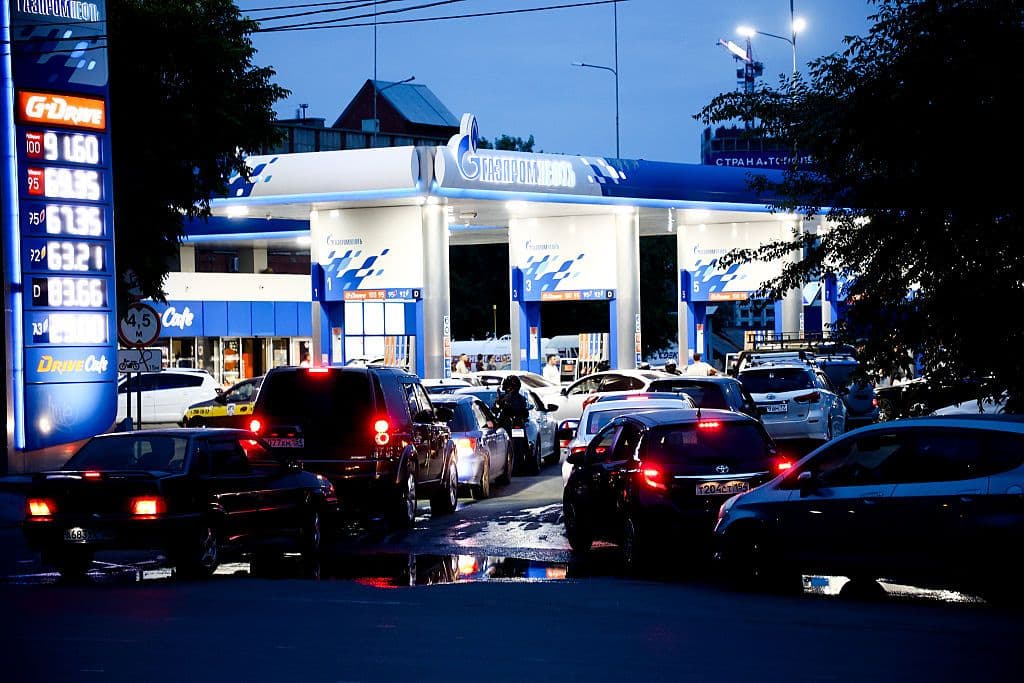
The Russian government announced on July 8 that it would ban the export of diesel fuel until at least the end of the month, according to state-controlled media RIA Novosti.
The announcement comes after weeks of Ukraine successfully pummelling energy infrastructure thousands of kilometers deep into Russia, effectively crippling the country's fuel supply.
"There are interruptions in fuel supplies caused by changes in logistics," said Russian deputy Prime Minister Alexander Novak about the announcement.
Later that day, Russian President Vladimir Putin spoke less euphemistically about the situation.
"It is clear that the enemy is trying to damage the economy, but most importantly, it is trying to create a nervous situation in society," Putin said.
The situation has gotten especially acute in Russian-occupied Crimea, where Ukrainian strikes are cutting off the peninsula from Russian supply routes and where gas sales to civilians had to be completely suspended in June.
Within Russia, measures have been introduced both to limit gasoline sales and to try and increase fuel supply, for example, by allowing refineries to produce types of fuel more toxic to human health.
And the EU is discussing freezing its oil price cap at current levels, so that if and when Russia is able to export fuel, it won't be able to take advantage of market price increases caused by the U.S. attacks on Iran.