'This is unusual' – How Ukrainian strikes upended Crimea's tourist season
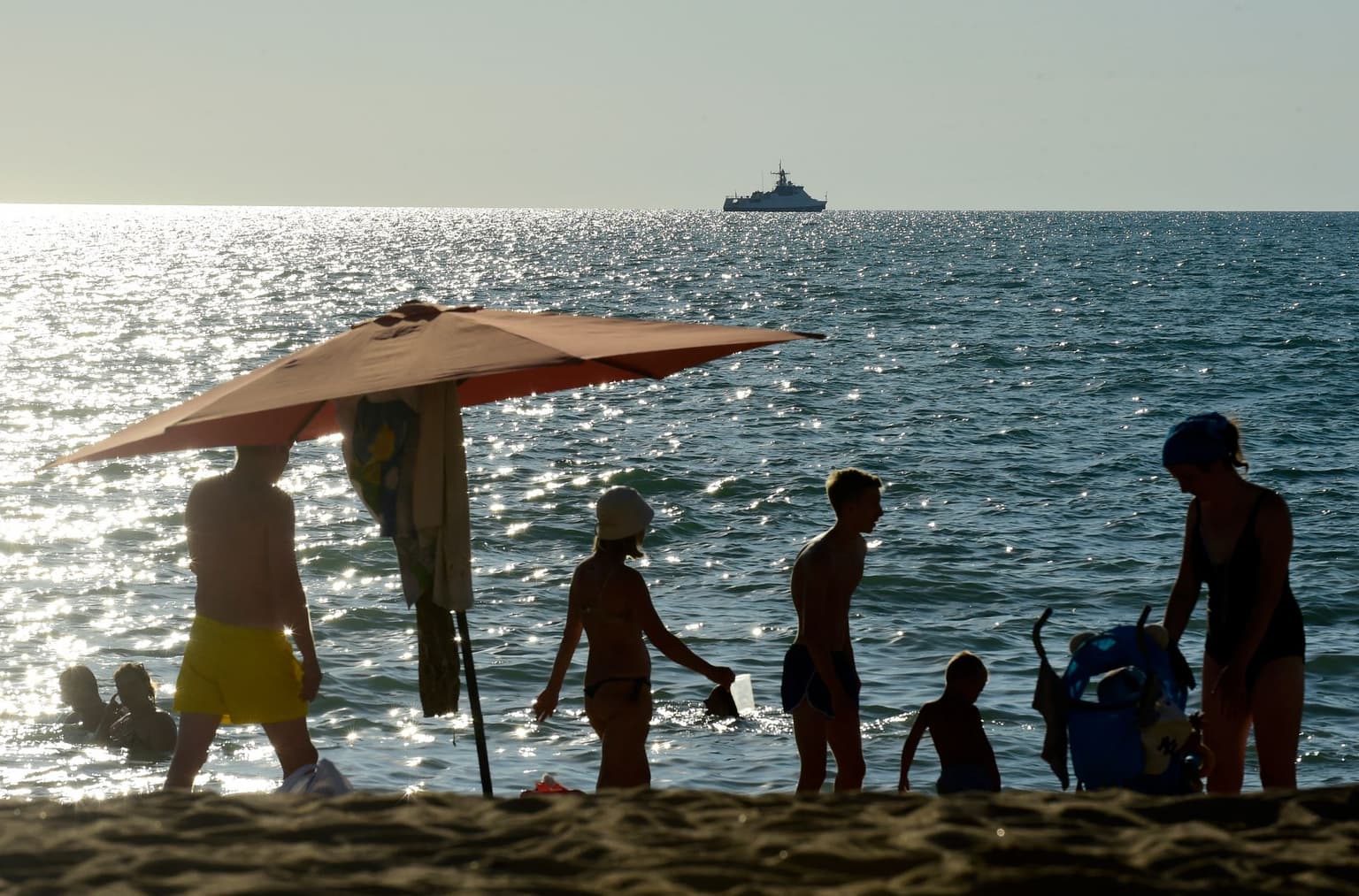
People on a Black Sea beach with a Russian warship seen in the background, in Sevastopol, Russia-occupied Crimea, Ukraine, on July 15, 2022. (Olga Maltseva / AFP / Getty Images)
 on Google
"We spent the whole night in a shelter."
"The cafes are all open… but they ask for cash or a bank transfer; many cafes don't have electricity."
"As for fuel, I still recommend bringing some with you whenever possible."
"Those who traveled to Crimea every year can't be scared by anything."
These are just a few messages from a Telegram group where tourists in occupied Crimea discuss conditions on the peninsula. Nighttime explosions, long queues at gas stations, and oil slicks along the coast have become part of the new reality for Russian vacationers.
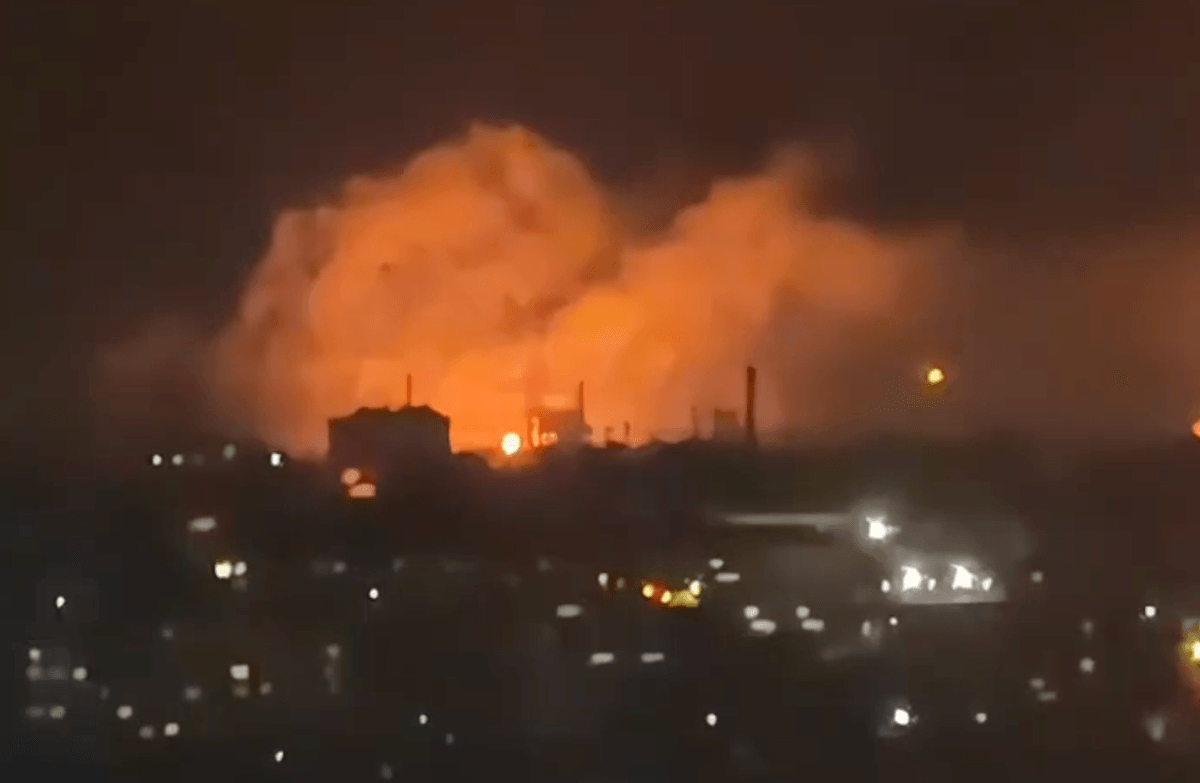
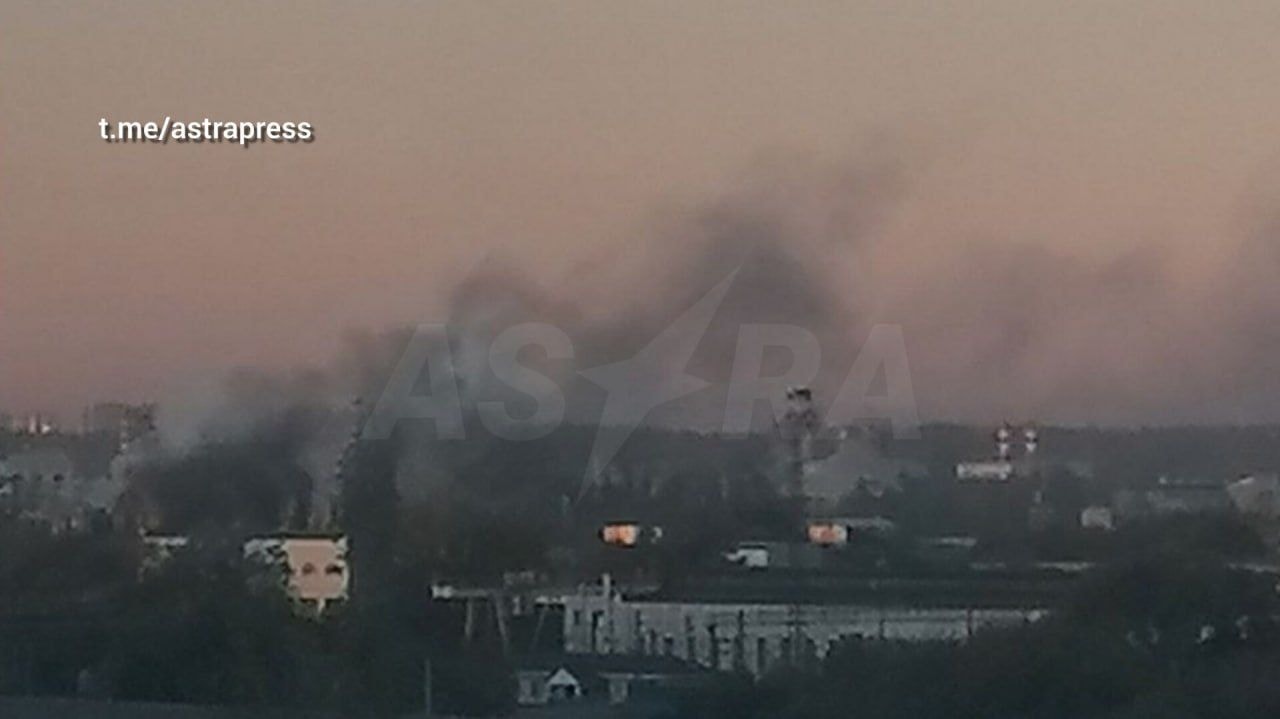
The disruption comes as Ukrainian forces strike Crimea's logistical and military targets with drones on a daily basis.
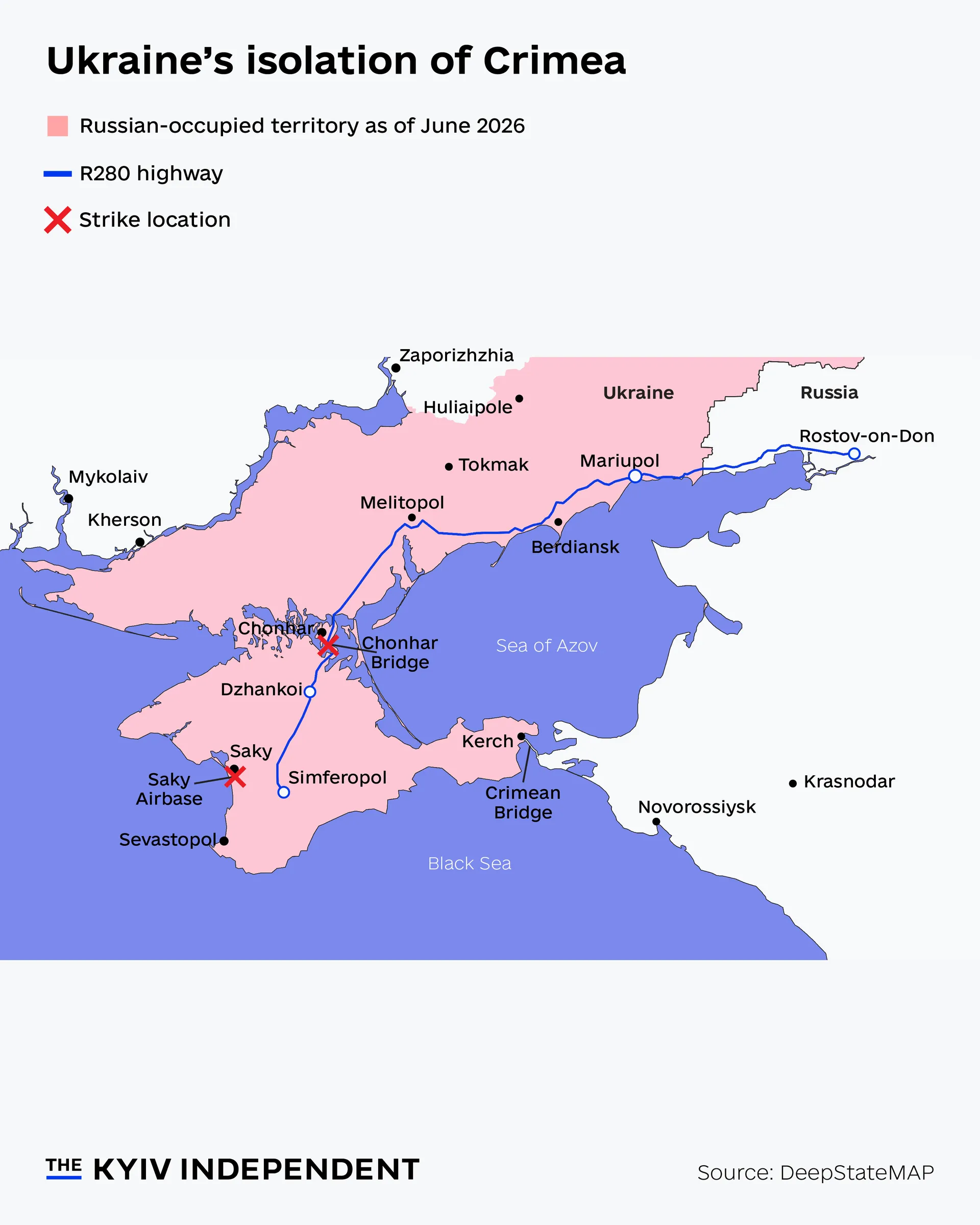
A wave of Ukrainian medium-range strikes has hit Crimea in recent weeks as Kyiv seeks to sever Russian supply lines and effectively turn the peninsula "into an island" by isolating it from mainland Russia, Defense Minister Mykhailo Fedorov said.
Crimea, occupied by Russia in 2014, is renowned for its stunning landscapes, the Azov and Black Seas, and rich cultural and geographical heritage.
Once one of the most popular destinations for Russian tourists, the peninsula has lost ground this season and is no longer among the country's top holiday spots.
Russia's pro-state newspaper Kommersant reported that 79% of hotel bookings were canceled between May 24 and June 6.
"The tourist season has either failed to begin or has already effectively ended," Yevhen Khlobystov, Faculty of Natural Sciences' Dean at the National University of Kyiv-Mohyla Academy and an expert on environmental protection and sustainable development in Crimea, told the Kyiv Independent.
Russian President Vladimir Putin acknowledged the impact of Ukrainian strikes.
"(The Ukrainian army) is attempting to disrupt energy supplies and impact the tourism season — their intentions are openly communicated," he said.
'The situation changes daily'
Each Ukrainian strike has added to the uncertainty for tourists considering a potential trip. Ukraine's attacks on Russian infrastructure in the region have led to a crisis in fuel supplies, food shortages, electricity disruptions, and sea pollution.
The attacks have also further complicated movement in Crimea, with Crimean Railways reducing the number of daily trains to and from the peninsula from 18 to seven.
Russian-installed authorities also announced a state of emergency on June 26.
The Kyiv Independent contacted a Sevastopol hotel, Villa Rosemarin, posing as a tourist asking about fuel supplies and the security situation near the property. In response, the hotel said the "situation changes daily" and that "shelters are available."
Practical problems for tourists
As a peninsula, Crimea has always depended on transport links with mainland Russia and mainland Ukraine.
Before the full-scale invasion, Russians could fly to Simferopol by plane or reach the peninsula by train, bus, or car via the Crimean Bridge, which Moscow built and officially opened in 2018, after illegally annexing the peninsula.
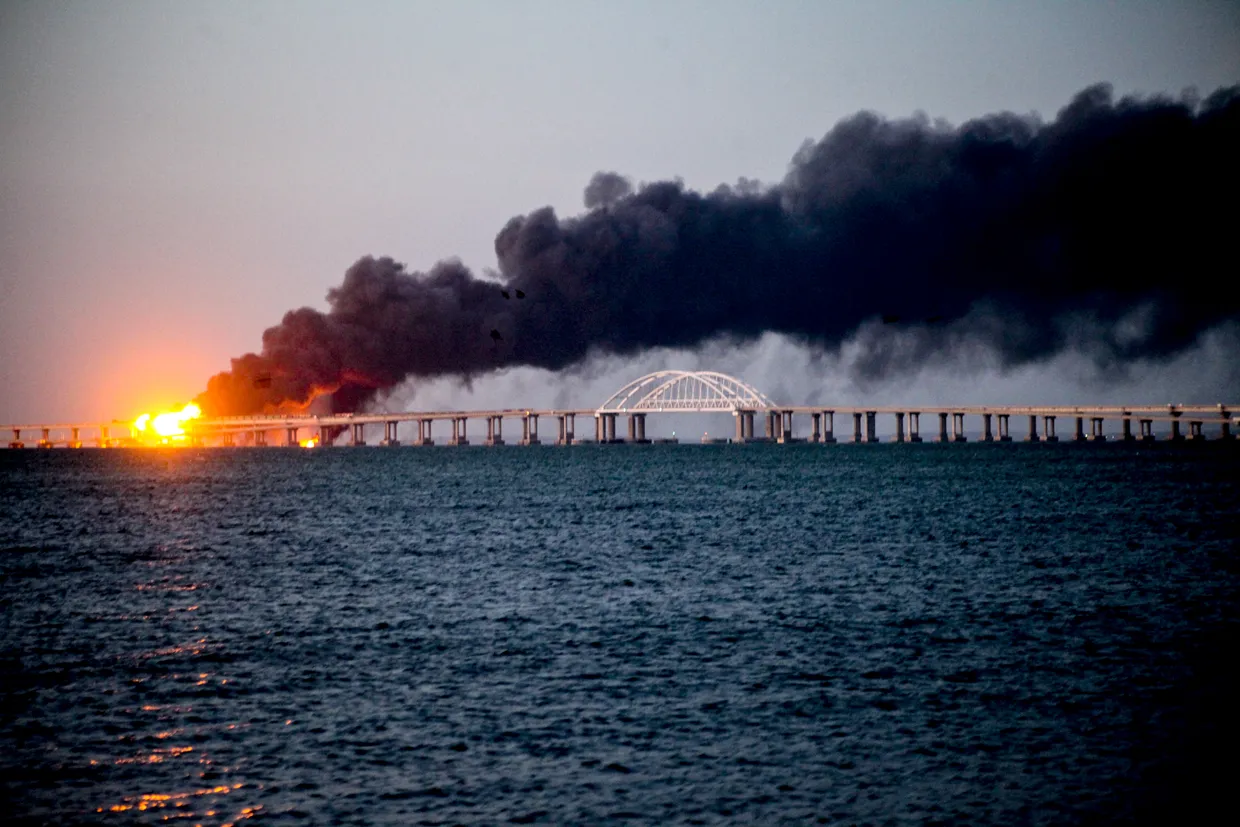
Today, only the bridge route remains. It is frequently closed and reopened after Ukrainian attacks and has been called a "road of death" in Russian media.
Yet it remains the peninsula's main gateway.
Driving has traditionally been the most popular way to reach Crimea. Last year, around 76% of tourists arrived by car or bus, according to local authorities. This year, however, fuel shortages have made that option highly risky.
Khlobystov said that while the fuel shortages have so far been too short-lived to significantly affect Crimea's broader economy, they have dealt a serious blow to the peninsula's tourism sector.
He added that most tourists visiting the peninsula travel by car, making them more important to the local economy. Independent travelers tend to generate more revenue than package tourists, as they spend on transport, restaurants, entertainment, and accommodation across multiple locations.

A Telegram user named Oleh wrote in one of the tourist chats on June 14 that his acquaintances won't be going to Crimea this season due to "fuel problems."
Some tourists fear being stranded and are looking for backup plans.
According to the Russian independent media outlet Paper, a group of IT professionals from St Petersburg considered renting an electric vehicle. One of them said: "The prospect of not going anywhere this summer is scarier to me than dying under a drone."
Tour operators are also trying to reassure potential visitors.
A St. Petersburg-based company, Tour na 5, held a livestream after a drone struck a passenger bus traveling from Moscow to Simferopol, saying its buses would continue to use the M4 highway and the Crimean Bridge.
It also said buses would be fully fuelled before entering Crimea and described its final destination, Sudak, as a "corner of calm," far from attacks.
The reactions were divided on social media. Some said they were traveling "at their own risk" and had accepted the dangers. Others compared a holiday in Crimea to "Russian roulette" and decided to cancel their trips.
'Test your luck'
Those tourists who still plan to go are often mocked online. Commenters describe them as having "SVO brain" (a Russian official term for its full-scale invasion of Ukraine, the "special military operation"), and accuse them of believing state television.
"What is there to go for?" one user asked. "To test your luck," another replied. A third commenter joked that people with a "higher television education" believe everything they hear on TV.
Still, some Russians continue to defend traveling to Crimea. They argue that media reports exaggerate the dangers and that canceling a holiday would mean "surrendering to the enemy".
For those willing to take the risk, there are also incentives.
Some hotels have introduced deep discounts, offered free petrol, or even allowed guests to choose how much they want to pay for a room. According to Paper, air-conditioned accommodation for four people can cost as little as 350 rubles ($4.5) per person per night.

'Not for Russian tourists'
Russians accounted for a large share of tourists in Crimea both before and after Russia's occupation of the peninsula, at times making up as much as 25% of visitors, Serhii Vikarchuk, a former employee of the Resorts and Tourism Department of the Yevpatoria City Council, a Ukrainian tourism agency owner, and a veteran of the Russia-Ukraine war, told the Kyiv Independent.
Among Russians, online discussions about travel to the occupied peninsula are most active in Moscow, St. Petersburg, and several major industrial regions, according to an analysis of Russian social media by the NGO Join Ukraine, which shared its findings with the Kyiv Independent.
According to the analysis, the dominant sentiment is skepticism, with many users arguing that those who choose to travel do so knowingly and should accept the risks.
The debate is not only about safety. Others complain that holidays on the peninsula have become too expensive, particularly for Russians living far away.

Vikarchuk said Crimea was once a cheap destination for Russians from wealthier regions, but became more expensive after Russia occupied the peninsula in 2014, while the quality of services failed to keep pace.
"It is now more cost-effective for Russian tourists to travel to Greece or Turkey. And those destinations are even more accessible to them than Crimea. They are also more appealing, because the services and prices there are more attractive," Vikarchuk said.
One user, Yelena, wrote in the comments under a post that before Russia's full-scale invasion, it was still possible to travel to Crimea on a budget.
"I felt rich then. But once it became 'ours,' they built expensive hotels and restaurants and got rid of the cheap holiday bases," she wrote.
"Maybe it's better for locals, but not for Russian tourists."
What do locals and pro-Ukrainian residents in Crimea say
Local attitudes toward Russian tourists have hardened, especially among residents who do not work in the tourism sector.
In local social media groups, users often respond to questions about safety and fuel shortages with sarcasm, reminding potential visitors that drone attacks and explosions have become part of daily life.
Some joke that tourists should bring spare fuel or install electronic warfare systems on their cars. Others argue that if locals can live with drones and shortages, tourists can do so as well.
"Why scare off tourists? Maybe they don't care that trains and buses are being targeted and there's no fuel. The sea is still there. Let them come," one user, Dmitry, wrote.
But even the laid-back seaside vibe is no longer guaranteed.
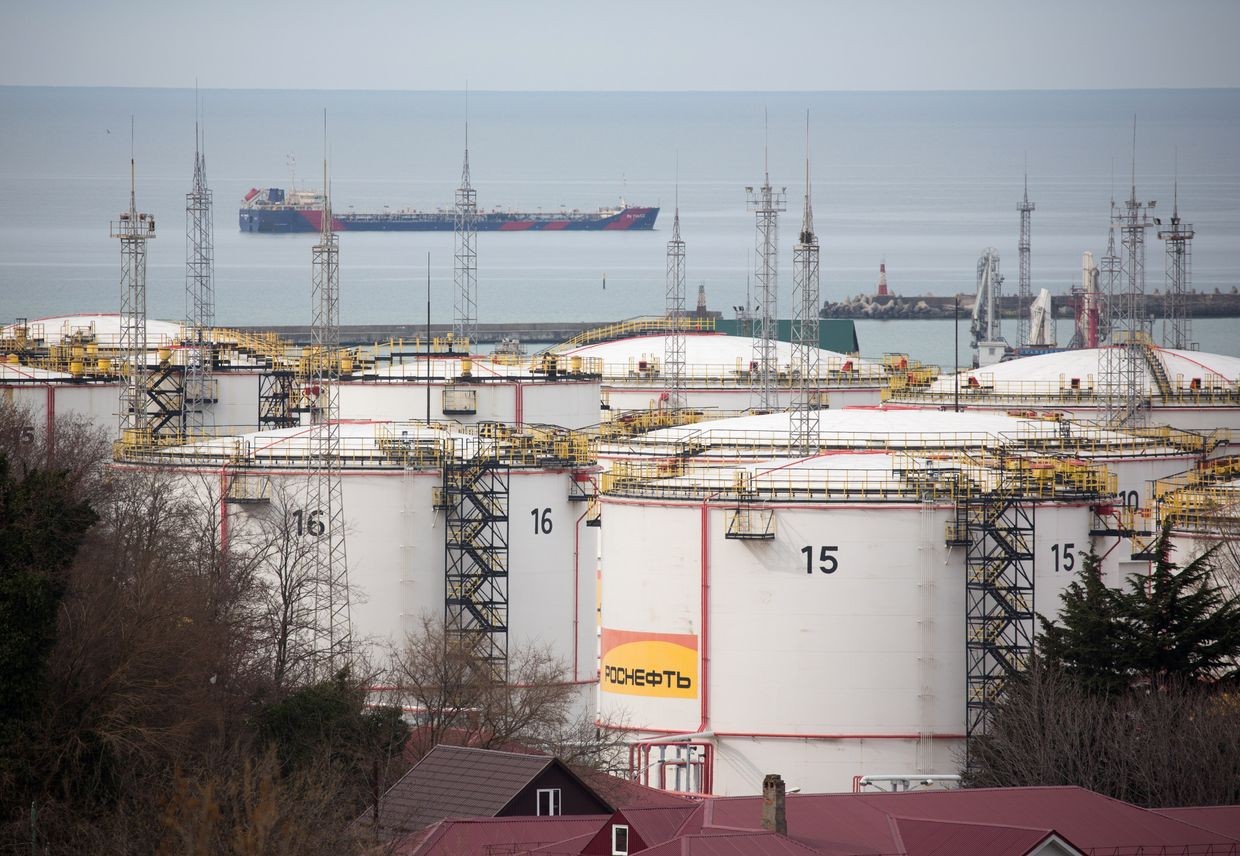
Some beaches have been contaminated by fuel oil after Ukraine's continued attacks on the oil depot in Tuapse, a Russian port city on the Black Sea coast, adding yet another obstacle for Russians willing to spend their holidays in Crimea.
A pro-Ukrainian resident of the Crimean west coast, who asked not to be identified due to security concerns, told the Kyiv Independent there are people in the tourist town of Alupka, but not many. They added that the cafes and souvenir shops in town are open, but there are no customers.
"Everywhere, people are talking about the alarming situation — air raid alerts, drones, and fuel (shortages)," the person said.

The Crimean resident also described being in a cafe in Alupka, next to a family speaking with a Moscow accent, with their children. In the conversation, the father told his family that they needed to leave their car in the parking lot and take the buses because there was no gas.
In Telegram discussions, some residents say the peninsula feels noticeably emptier than in previous summers, even in areas that were once crowded with tourists.
Tourists also say that some parts of Crimea experience attacks more frequently than others, and call Sevastopol and nearby areas "loud Crimea," and, for instance, Sudak and Yevpatoria, "quiet Crimea."
"There are no noisy tourists on Primorsky Boulevard. Even the monument to the sunken ships seems lonely, lapped by the sea in the rays of the evening sun," Irina, who calls herself a blogger who lives "between Russia and Moscow," wrote about Crimea's city of Sevastopol in a June 25 Telegram post.
"Unfortunately, due to power supply issues, the city has canceled public events, including the dance gatherings on Primorsky Boulevard that so many people love. This is unusual."
Tim Zadorozhnyy contributed to the report.
Note from the author:
Hi! This is Yuliia, one of the authors of this story.
Reporting on Russia's occupied territories is one of the most important parts of our work. As Ukraine continues its campaign to disrupt Russian military logistics in occupied Crimea, Russian tourists who choose to vacation on the occupied peninsula are experiencing the consequences of Russia's war firsthand.
If you'd like to see more reporting like this, please consider supporting our journalism by joining the Kyiv Independent community.