Moscow airports cancel flights after Zelensky's 'closed skies' warning
 on Google
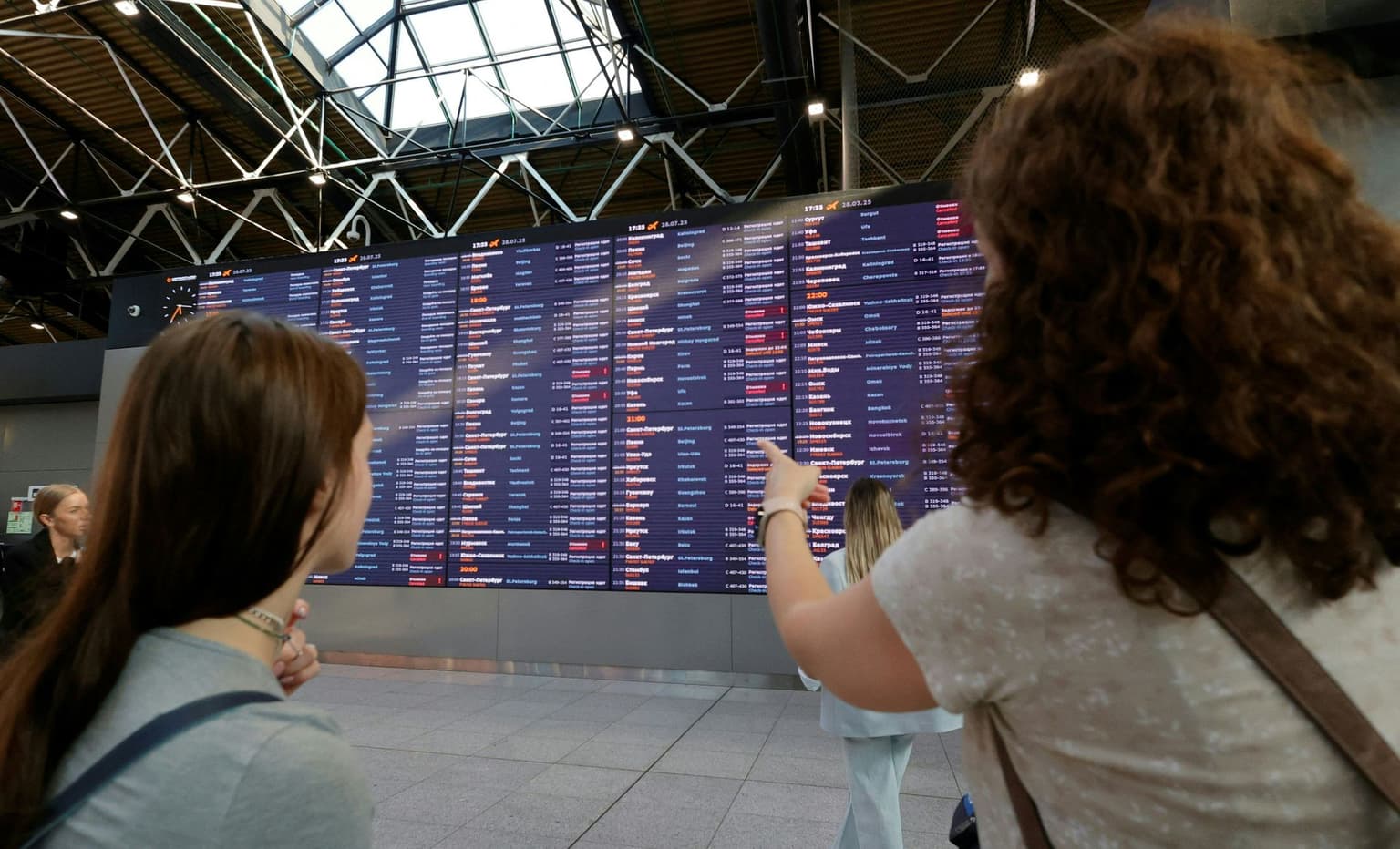
Flights in and out of Moscow's Vnukovo and Sheremetyevo airports were restricted for the second night in a row on Sept. 2, after Ukraine warned of a new campaign to "close" Russian skies.
"Temporary restrictions on the arrival and departure of aircraft have been introduced," Russia's Federal Air Transport Agency (Rosaviatsia) said.
President Volodymyr Zelensky on Sept. 1 warned airlines, insurers, and foreign governments that Russian airspace "will be de facto closed" because of Ukrainian drones.
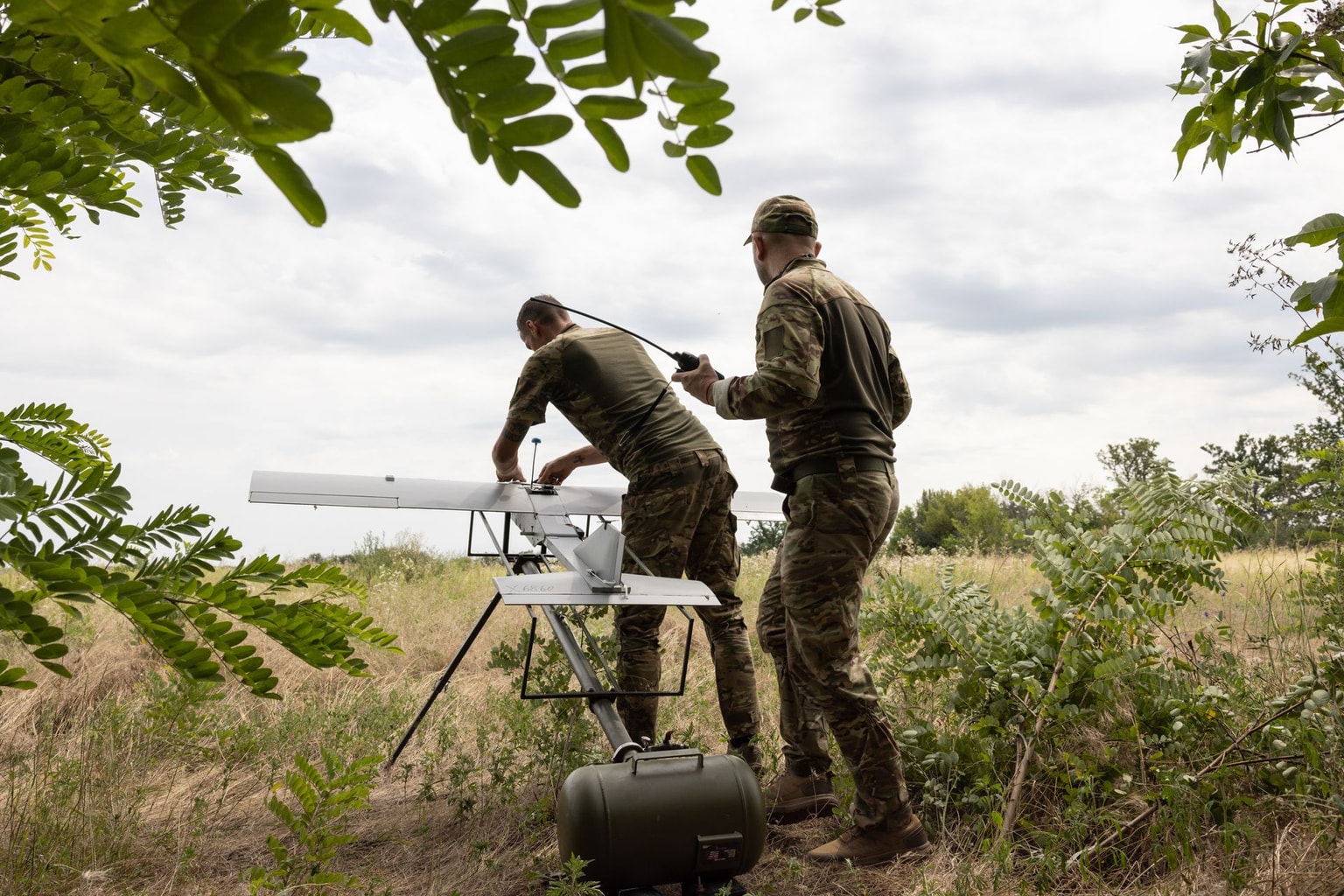
Zelensky gave few details about what the new campaign would entail, other than making clear it would involve lots of drones.
"There will simply be drones in Russia's skies on a scale that has to be taken into account," he said, as he warned "every airline that uses Russian airspace" against flying over the country.
Most Western airlines stopped flying to Russia after the launch of the full-scale invasion of Ukraine. One exception is Turkey's Pegasus Airlines, which on Sept. 2 announced that "flights to Russia scheduled overnight from 1 to 2 September were canceled due to technical and operational reasons."
It added that flights from "Sept. 2 onwards are operating as scheduled."
But FlightRadar24 live tracking of arrivals at Sheremetyevo Airport showed almost every flight scheduled for the afternoon of Sept. 3 either delayed or canceled. A similar situation was reported at Vnukovo Airport.
FlightRadar24 also reported that overnight on Sept. 2, 21 flights were canceled and 235 delayed at Sheremetyevo, while 22 flights were canceled and 94 delayed at Vnukovo.
Zelensky's announcement comes at a time when, in the absence of meaningful changes on the front lines, both Ukraine and Russia are looking for other ways to increase pressure on each other.
For Russia, this has meant a drastic escalation in drone and missile strikes, particularly on Kyiv.
For Ukraine, lacking the long-range missile firepower of Russia, it means becoming more creative with long-range drones.
Forcing the closure of Russian airspace using drones is not a new idea, and Ukraine has been employing the tactic for nearly a year and a half.
Ukraine's Security Service (SBU) began Operation Carpet in the spring of last year, with the aim of disrupting Russian airport operations by deliberately flying drones over them, people familiar with the matter, who did not want to be named for security reasons, told the Kyiv Independent.