Ukraine's plan to close Russia's airspace — what we know
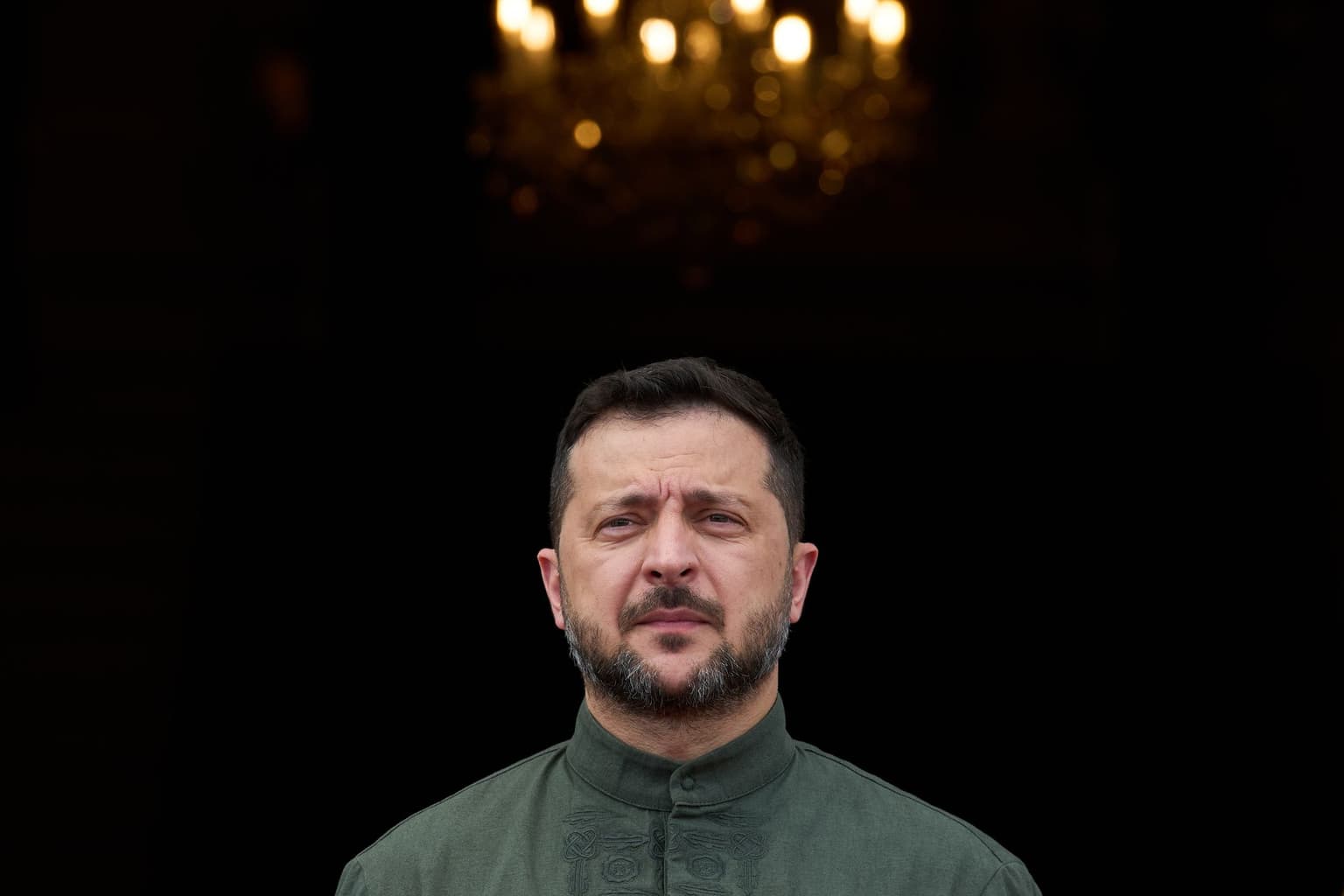
President Volodymyr Zelensky in Kyiv, Aug. 23, 2026. (AP Photo/Francisco Seco)
 on Google
Ukraine wants to close Russia's skies and has a plan to do it.
In an announcement on Sept. 1, President Volodymyr Zelensky gave few details about what it would entail, other than making clear it would involve lots of drones.
"There will simply be drones in Russia's skies on a scale that has to be taken into account," he said, as he warned "every airline that uses Russian airspace" against flying over the country.
"The Russian sky will be de facto closed," he added.
The following day, the president said that some airlines had already stopped service to Russia.
"We have received information that the first airlines began to refuse flights to Russian airports after our announcement about the drone danger, which objectively exists in the skies of Russia," Zelensky said in his evening address Sept. 2.
"This is a correct, completely logical response to the available facts ... We must protect lives. Ukraine has already officially informed international organizations and partners about the true state of Russian skies."
Zelensky's announcement comes at a time when, in the absence of meaningful changes on the front lines, both Ukraine and Russia are looking for other ways to increase pressure on each other.
For Russia, this has meant a drastic escalation in drone and missile strikes, particularly on Kyiv.
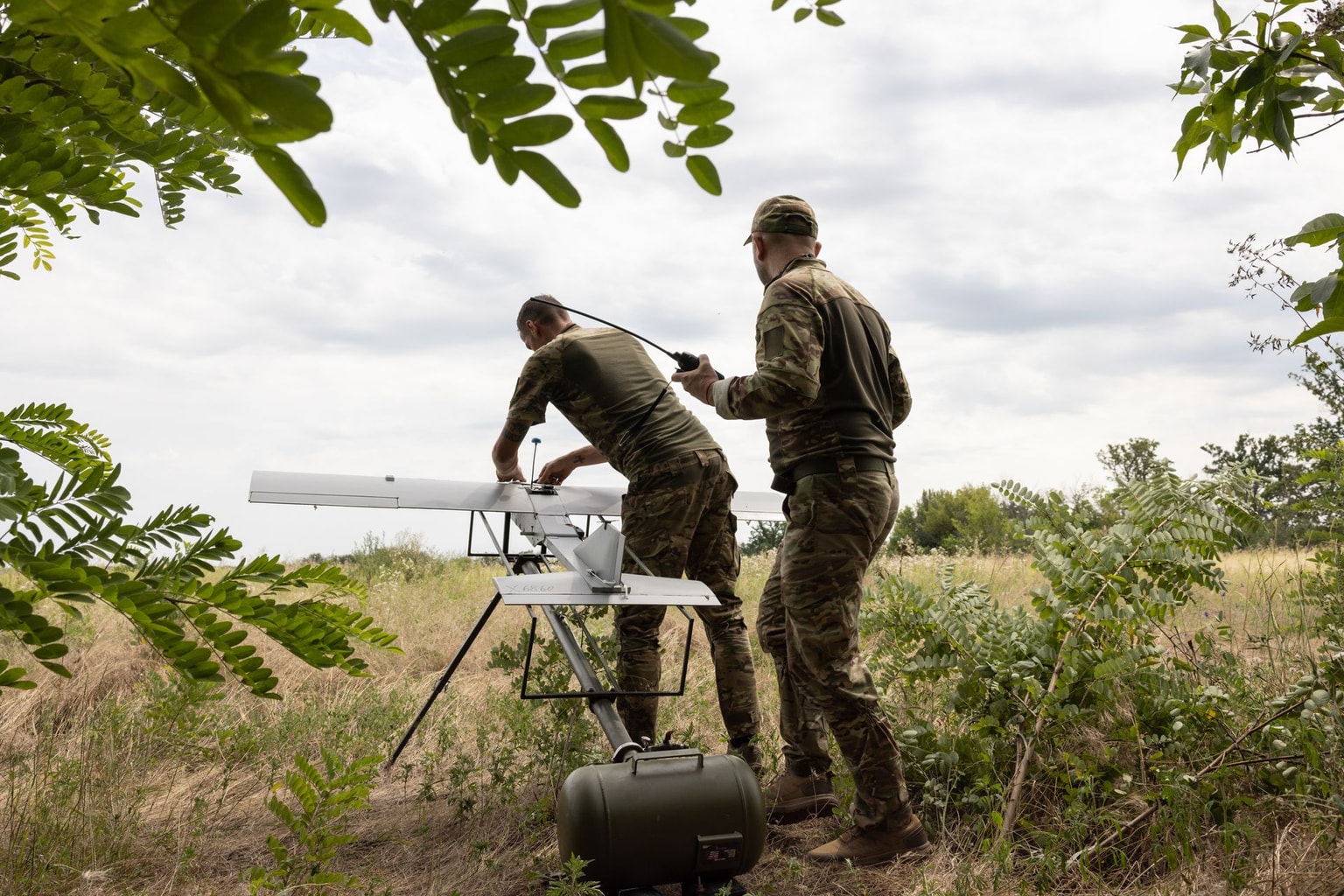
For Ukraine, lacking the long-range missile firepower of Russia, it means becoming more creative with long-range drones.
"The sky over large cities of the Russian Federation will become a zone of constant risk which will force foreign business to cut off air connections with (Russia)."
Forcing the closure of Russian airspace using drones is not a new idea, and Ukraine has been employing the tactic for nearly a year and a half.
Ukraine's Security Service (SBU) began Operation Carpet in the spring of last year, with the aim of disrupting Russian airport operations by deliberately flying drones over them, people familiar with the matter, who did not want to be named for security reasons, told the Kyiv Independent.
The objective was not to strike the airports themselves, but to force Russian authorities to shut down or restrict air traffic when the drones were detected in the surrounding airspace.

This allowed Ukraine to disrupt Russian civilian and military aviation without striking airport infrastructure, something Ukraine's international partners had specifically warned Kyiv against doing, the people said.
And it worked — Ukrainian drones forced at least 217 temporary airport closures across Russia from Jan. 1, 2025, independent Russian outlet Novaya Gazeta Europe reported in May of that year, citing data from Russia's state aviation agency Rosaviatsiya.
During three nights of Ukrainian drone raids before Russia's Victory Day on May 9, 2025, Rosaviatsiya was forced to order temporary flight restrictions that disrupted travel plans for at least 60,000 passengers, according to the Association of Tour Operators of Russia.
How does the new plan differ?
From the little that was announced, it appears it is like the old plan — only bigger.
Operation Carpet succeeded in temporarily closing the airspace above individual airports and regions, but Ukraine's language around the latest announcement hints at something much more ambitious.
In a post on social media on Sept. 2, Foreign Minister Andrii Sybiha said Ukraine had informed the International Civil Aviation Organization (ICAO) that "Russian airspace is not safe for civilian aviation because of increased military activity."
"We urge everyone to avoid it," he added.
Serhii Bratchuk, spokesperson for the Ukrainian Defense Army's Southern Division, said the new operation "is not just a continuation of the spring campaign, it is a transition to a strategic aviation blockade of the Russian Federation."
"The sky over large cities of the Russian Federation will become a zone of constant risk which will force foreign business to cut off air connections with (Russia)," he told the Kyiv Independent.

Bratchuk said Ukraine is "significantly increasing" the production of drones in order to launch the numbers necessary to "paralyze the work of key airfields in central Russia on a permanent basis."
How has Russia responded?
At a press conference after Zelensky's announcement, Russian President Vladimir Putin accused Ukraine of "state terrorism" and said that Moscow could not negotiate with terrorists.
Meanwhile, Kyiv on Sept. 2 endured its seventh consecutive day of Russian drone attacks, with a university, medical facility, and high-rise apartment building all being damaged.