Moldovan President Sandu and Zelensky meet in Kyiv amid Chornobyl anniversary, discuss security in the region
 on Google
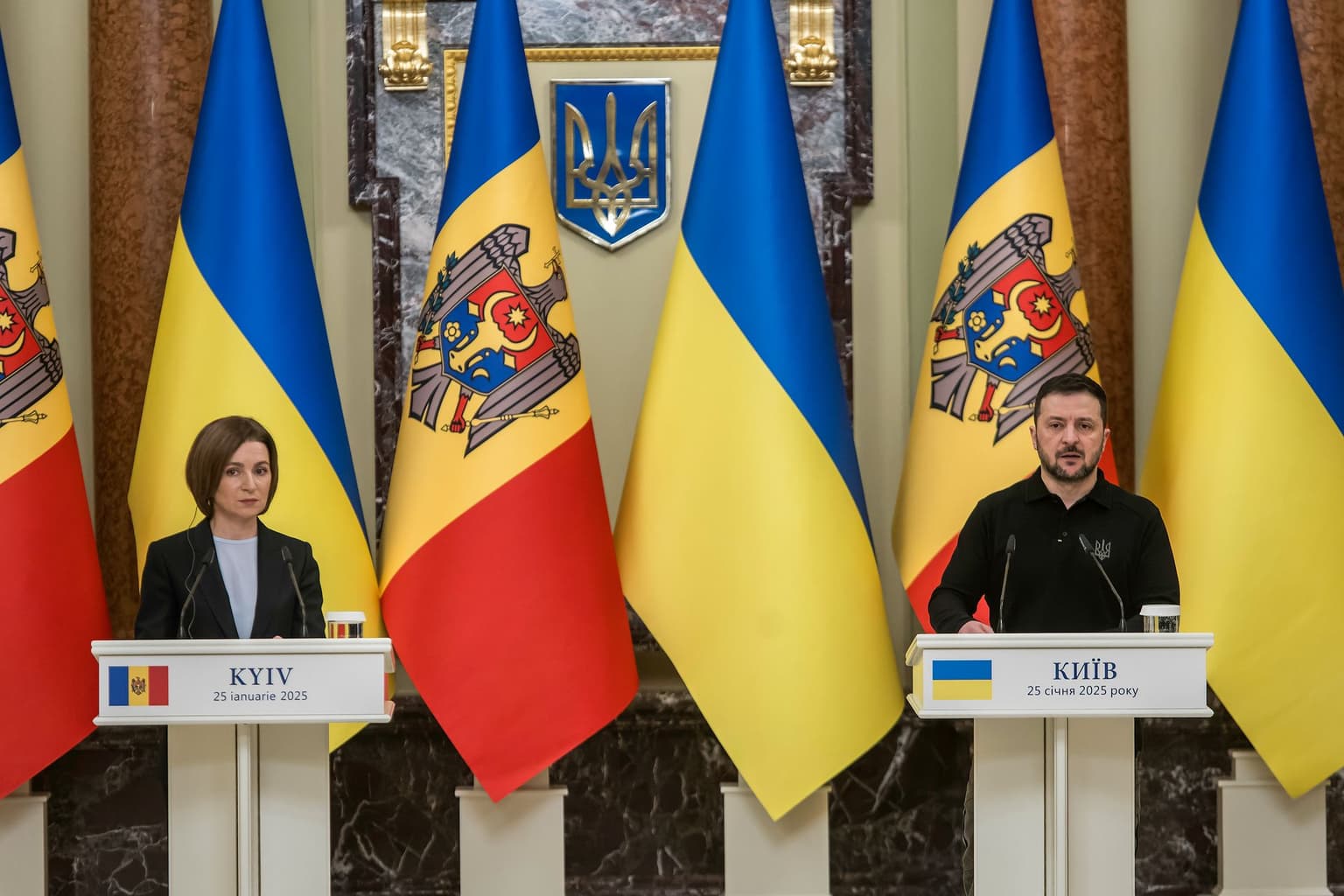
Moldovan President Maia Sandu arrived in Kyiv on April 26 on an official visit to meet with President Volodymyr Zelensky, according to her X account.
Sandu's visit comes amid the 40th anniversary of the Chornobyl nuclear disaster. According to Sandu's post on X, she also plans to visit Chornobyl to honor "those who gave their health and lives for Europe."
"Disasters know no borders — neither should solidarity. Moldova stands with those who build, not destroy," Sandu wrote.
The leaders' meeting focused on security issues, cross-border cooperation between Ukraine and Moldova, energy, infrastructure protection, and development, Zelensky said, adding that they also discussed both countries' path to EU accession.
"We are currently working to ensure that all six clusters open promptly and that EU membership becomes a shared success — for Ukraine, Moldova, and the entire EU," Zelensky said.
Moldova was granted EU candidate status in 2022 and officially began accession negotiations in 2024.
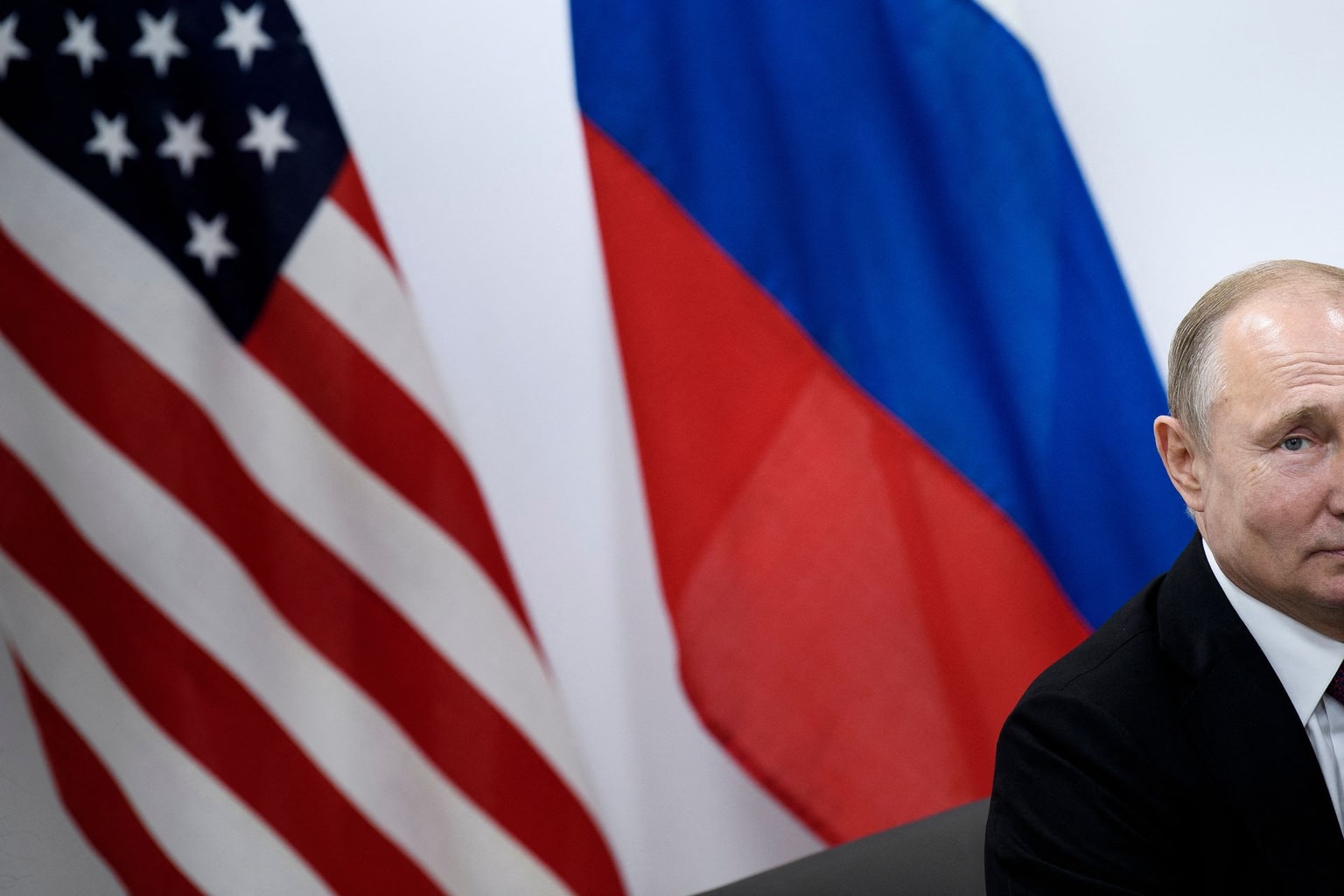
Since taking office, Sandu has positioned Moldova firmly on a pro-European course, advocating closer ties with the European Union while pushing back against Russian influence. She has repeatedly condemned Russian attacks on Ukraine and voiced support for Kyiv.
Moldova, a small landlocked country between Ukraine and Romania, has faced heightened security and political pressure since Russia launched its full-scale invasion of Ukraine in 2022.
Sandu's pro-European Action and Solidarity Party won parliamentary elections in 2025 amid concerns over potential Russian interference.
As Moldova has shifted toward European integration under Sandu's leadership, Russia has continued to put pressure on the country.
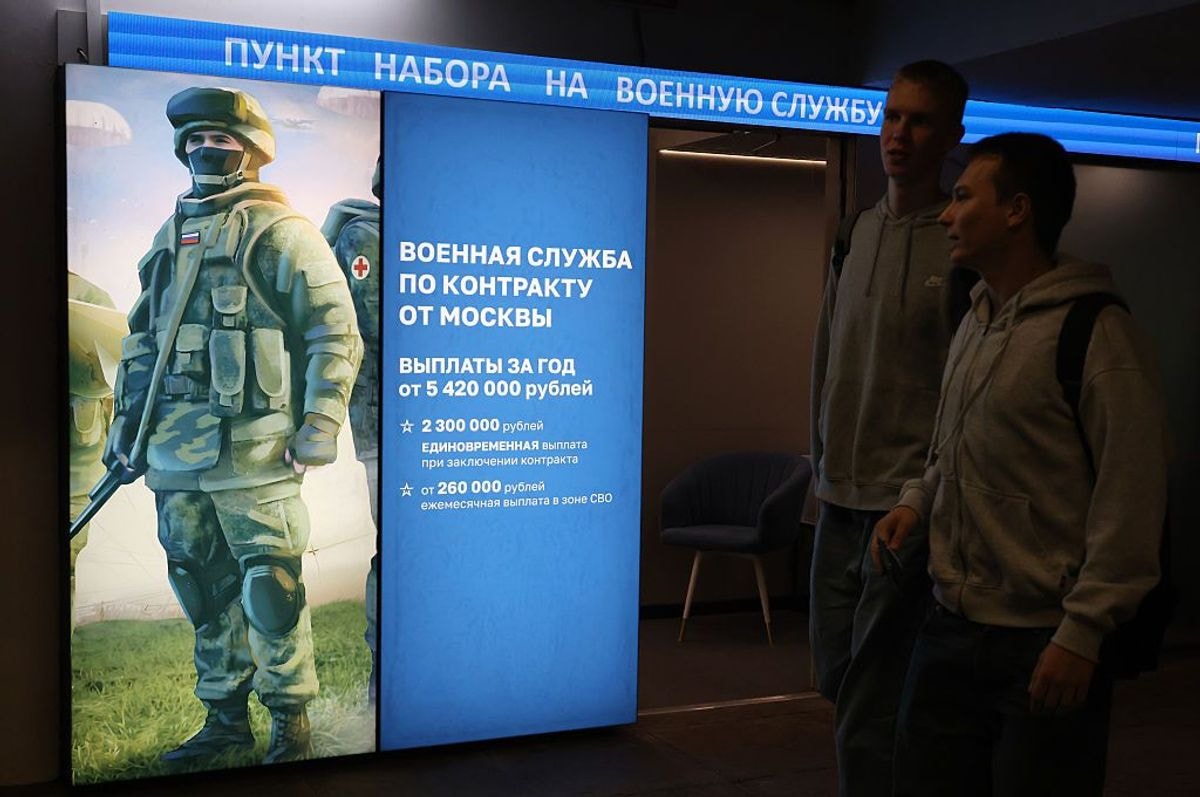
Moldova has sought to combat Russian influence and pressure, banning Russian-affiliated political groups like the U.S.-sanctioned Shor party, outlawing broadcasts of Russian state-run television news, and blocking access to Russian media sites.
"What Russia is doing, the war, terror, and instability it is inflicting on other nations, is a catastrophe no less devastating than Chornobyl. And we need solidarity now that is just as strong as it was then, to protect our lives, our independence, and our nations from war," Zelensky said during the meeting.
Sandu also said that Moldova was discussing with its EU partners the reintegration of Transnistria, which has been under Russian occupation since 1992.
The Moldoval president asserted that all parties agree on the need for a process that will ensure the demilitarization, de-oligarchization, and democratization of the region.
"For this stage to take place, we need international support... Regarding Ukraine's contribution, I would say that its greatest contribution so far has been keeping the Russian army far from Moldova's borders. This allows us to seek a peaceful resolution to the conflict, and we greatly appreciate it," Sandu said.
Transnistria lies along Ukraine's Odesa and Vinnytsia oblasts, with the Ukrainian-Moldovan frontier in this area stretching more than 400 kilometers (250 miles).
Russia was planning to establish a buffer zone in the Transnistria region, Deputy Presidential Office head and ex-commander Pavlo Palisa said in an interview with RBC Ukraine published on April 8.
Moscow continues to maintain a military presence in Transnistria, which has been under the control of pro-Russian separatists since the early 1990s. President Volodymyr Zelensky said in February that around 1,000 to 1,500 Russian troops are currently stationed in the region.