Ukraine's ice hockey has 'no intention of giving up' after court ruling clears way for Russian teams
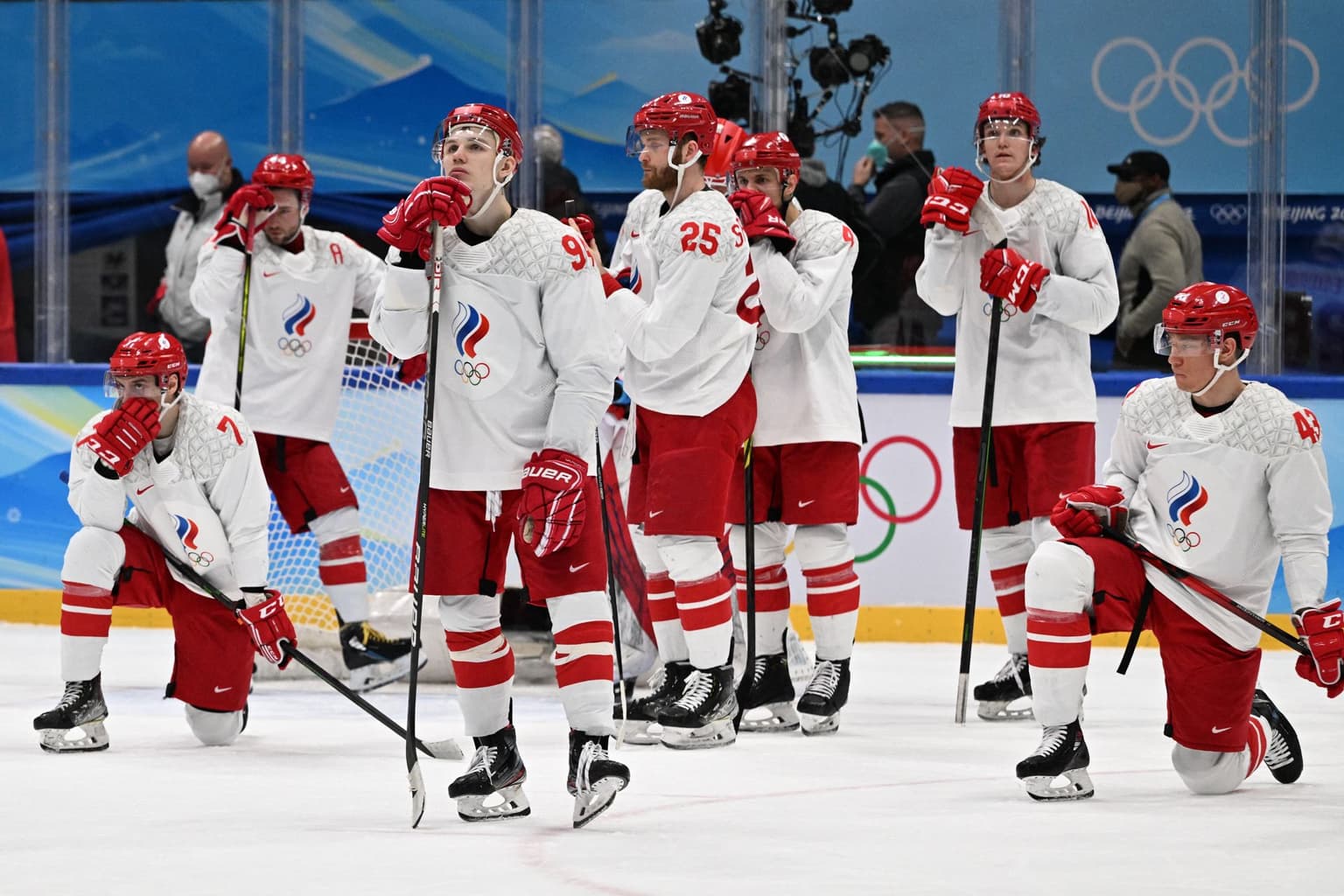
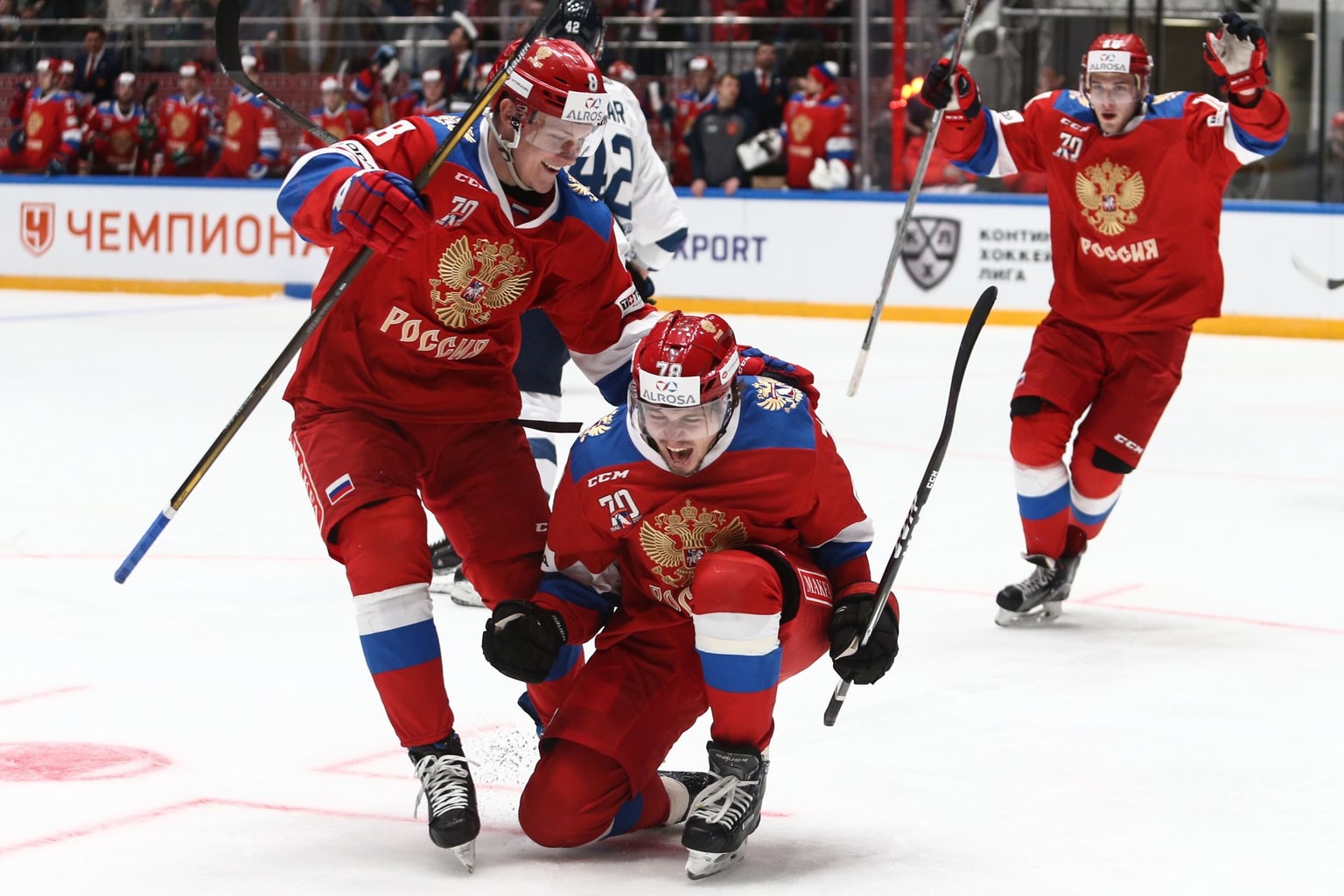
Russian Olympic Committee (ROC) players react after their defeat at the end of the men’s ice hockey gold medal match against Finland at the Beijing 2022 Winter Olympics in Beijing, China, on Feb. 20, 2022. (Anthony Wallace / AFP via Getty Images)
 on Google
As the possibility of Russian athletes' return looms over the ice hockey community, Ukraine and leading hockey nations refuse to welcome Russia back into international sports.
The Court of Arbitration for Sport (CAS) ruled on Oct. 30 that the International Ice Hockey Federation's (IIHF) exclusion of Russian athletes from its tournaments was unlawful, sparking outrage among multiple national federations and the IIHF itself.
"Some say that sports are separate from politics, but that's not true as long as missiles are destroying ice arenas and killing athletes," Ihor Merezhko, the captain of Ukraine's national men's team, told the Kyiv Independent.
National hockey federations in Czechia, Germany, Finland, Canada, and elsewhere have sided with Ukraine, with some vowing to boycott next year's world championship if Russia returns.
Russia has been steadily creeping back into international sports after it was booted from most events due to its full-scale invasion of Ukraine in 2022. Opponents say its return risks normalizing Russia on the international scene, while its war continues unabated.

In its statement, the IIHF has "expressed disappointment" with the CAS ruling but has yet to make any further announcement on the matter.
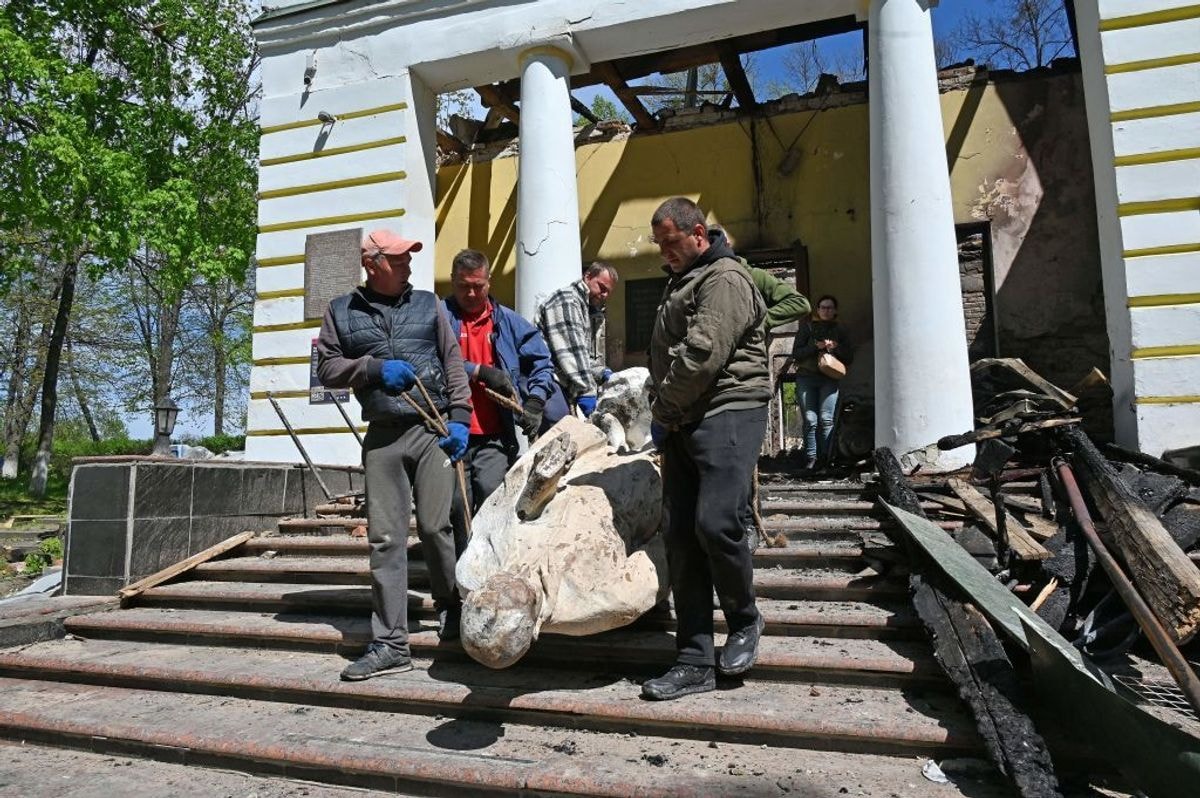
"Ukrainian athletes train every day amid the war; air raid sirens sound incessantly — it's impossible to train and live under such conditions," said Merezhko, describing the CAS decision as "particularly painful."
Ukraine didn't see it coming
For Serhii Mazur, the president of the Ice Hockey Federation of Ukraine (FHU), the ruling was completely unexpected.
"This is a very unusual time frame for this kind of proceedings," he said in an interview with the Kyiv Independent.
According to Mazur, the CAS's decision was made within a mere three days, despite the magnitude of its implications.
Mazur also noted that the FHU received no additional explanation beyond the court's statement posted on its website.
"allowing Russia to participate will have significant security, political, and economic consequences for us as hosts."
Merezhko, who currently plays for HC Skoda Plzen in Czechia's top ice hockey league, said that while international sports organizations must be respected, he finds the court's decision "difficult to agree with while the war against Ukraine is ongoing."
"Undoubtedly, this creates additional psychological and organizational stress. Especially considering that the Ukrainian national team has returned to the top division of the World Championship after a 19-year hiatus," he pointed out.
However, both Merezhko and Mazur told the Kyiv Independent that all they can do now is wait for the final decision from the IIHF.
The national men's team will continue to play because, as Merezhko says, "hockey is more than just a sport; it's an opportunity to represent our country, its people, its culture, and its resilience on the international stage."

But Mazur said the FHU's legal team is working around the clock to prepare for all sorts of outcomes, telling the Kyiv Independent that they are "negotiating with around 50 associations around the world."
"We receive a lot of support from different parts of the world."
Top hockey nations side with Ukraine
The CAS ruling comes as major ice hockey tournaments are set to be held in Canada, Germany, and Czechia over the next two years.
The German Ice Hockey Federation (DEB), which is due to host the 2027 IIHF World Championship in May 2027, said in a statement that "allowing Russia to participate will have significant security, political, and economic consequences for us as hosts."
Canada also spoke against the decision. The country will co-host the 2028 Hockey World Cup in Prague in February of that year, with the final rounds scheduled to take place in Edmonton.
"Russians will not be there"

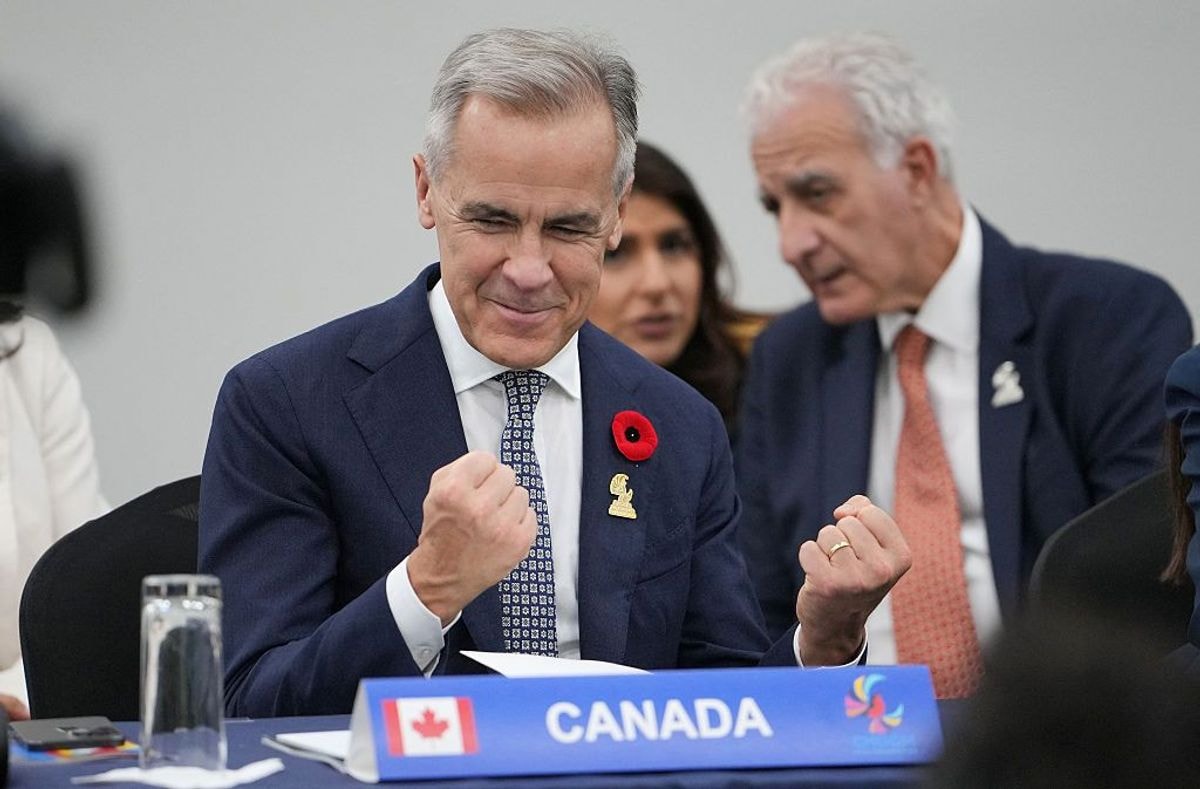
Canadian Prime Minister Mark Carney said during a press conference that "Russians will not be there" for the World Junior Hockey Championship, scheduled to take place in Edmonton and Red Deer, Alberta, from Dec. 26, 2026, to Jan. 5, 2027.
The Canadian government said on Nov. 3 that its immigration minister, Lena Metlege Diab, "will exercise her authorities… to individually assess and prevent Russian and Belarusian athletes and officials from entering Canada to compete under their national symbols."
Similarly, the Czech Ice Hockey Association said in an Oct. 30 statement that the ruling "does not automatically change Czech Ice Hockey's existing position on the participation of Russian national teams, nor does it alter the Czech legal and institutional framework."
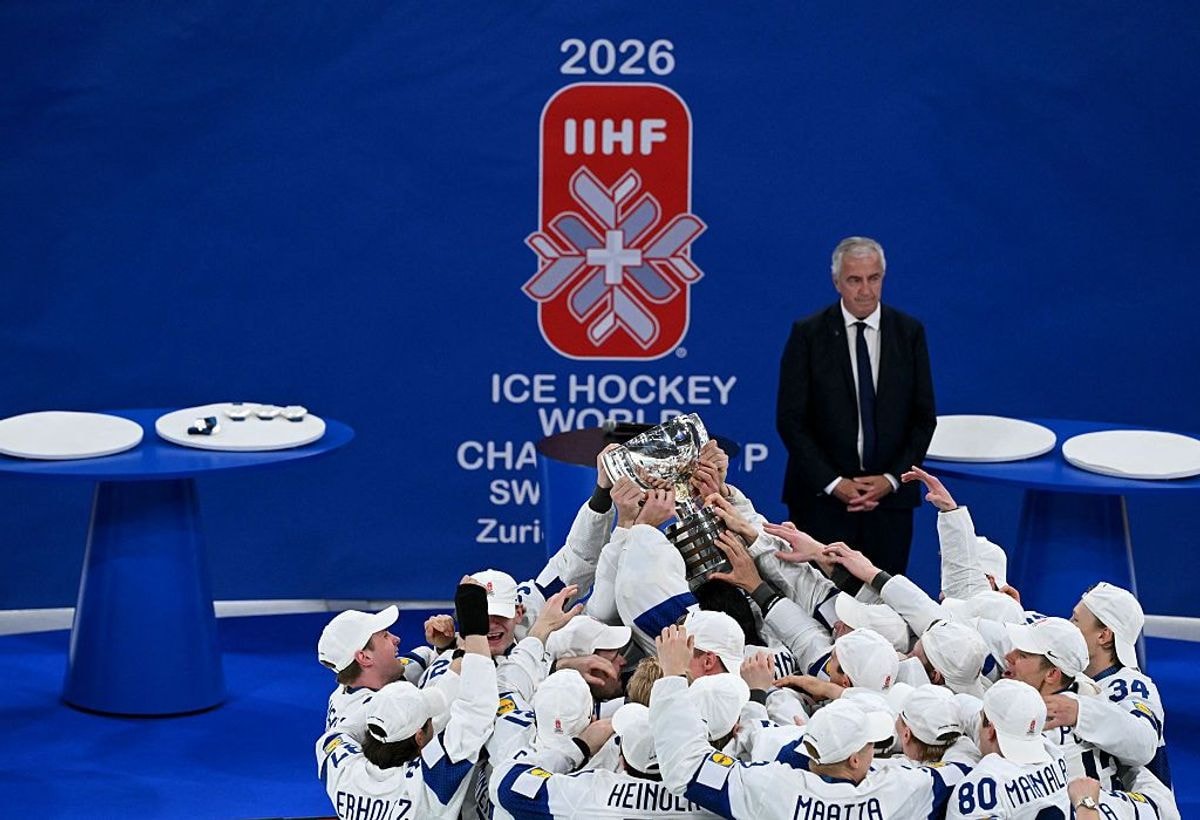
Finland, the reigning men's world champion, said it is bringing together countries "to form a common front to tell the IIHF that none of us will play against Russia in this situation."
So far, seven countries have refused to play Russia, including Czechia, Denmark, Latvia, Norway, Sweden, Canada, and Finland.
However, Merezhko told the Kyiv Independent that he expects host countries to "go beyond mere formal statements and genuinely take security and fairness into account."
Sports as part of Russia’s arsenal
Ice hockey is just the latest sport Russian athletes may be able to return to as the full-scale war against Ukraine nears its fifth year.
The International Olympic Committee (IOC) provisionally lifted the suspension of the Russian Olympic Committee (ROC) ahead of the 2028 Summer Olympic Games, to be held in Los Angeles.
Ukraine responded to the IOC's decision, saying that "to cancel its recommendations on restricting the participation of Russian athletes is a worrying signal for the entire international sports community."
As the IOC has started easing its restrictions, several sports associations have followed suit.
The World Gymnastics Federation has allowed Russian and Belarusian athletes to compete under their national flags in May 2026, dropping the requirement that they participate as "neutral athletes."

The EU has criticized the trend, with the bloc's chief diplomat, Kaja Kallas, warning that "sports and culture must not become vehicles for whitewashing Russian aggression."
Yet, some European countries have already faced repercussions for opposing Russia's return to international sports.
Last month, Lithuania was stripped of its right to host an April 2027 international pentathlon tournament after it refused to grant visas to Russian and Belarusian athletes for the event.
Russia's return to sports goes beyond its athletes' participation in events abroad.
The International Weightlifting Federation (IWF) announced on Oct. 25 that the 2030 International Weightlifting Championships will be held in Moscow — making it the first Olympic organization to host an event in Russia since 2022.
What's next?
Although the final say on Russia’s participation rests with the IIHF, its authority is subject to rulings by the CAS and national government policies.
Ukraine is not the only country awaiting the IIHF's decision. Germany's ice hockey association told the Kyiv Independent that it has "decided to await (the IIHF's) outcome before making any further public statement."
Mazur also said the FHU cannot discuss any details before relevant bodies provide additional information.

"All we can do now is wait for the decision of the IIHF, on which everything currently depends," Merezhko told the Kyiv Independent.
But for him, this is not the end.
"Every time we take the ice as a national team, we carry a responsibility to Ukraine and the Ukrainian people," said Merezhko.
"We have no intention of giving up on our dreams and athletic goals because of decisions over which we have no direct control. On the contrary, we will continue to work hard, train, and represent Ukraine with dignity."