Order limiting Starlink access for Ukraine's military came from within White House, Reuters reports
 on Google
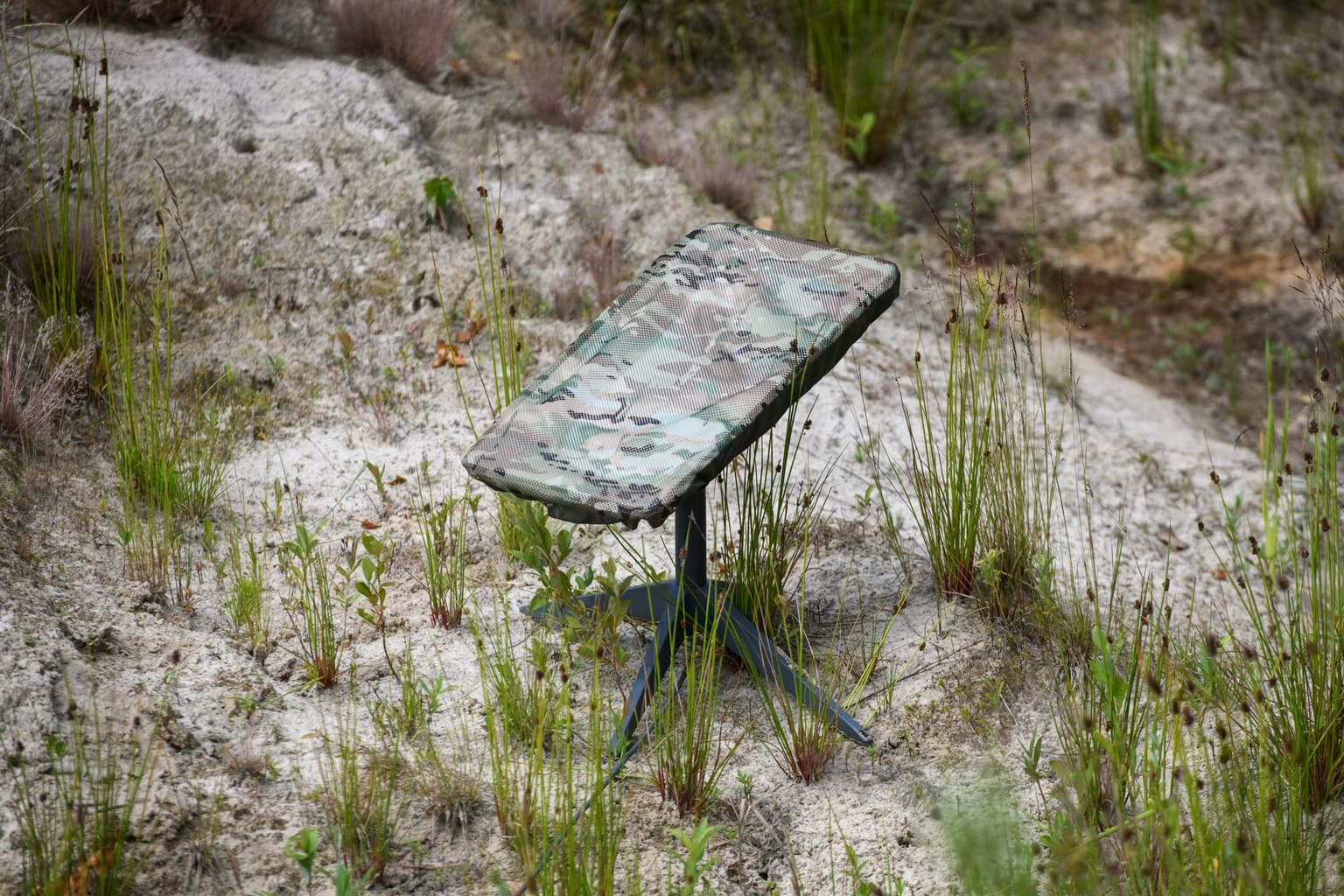
An order to implement speed restrictions on Starlink systems for the Ukrainian military came from within the White House, Reuters reported on Oct. 15, citing U.S. and Western officials.
Starlink, implemented speed restrictions on Oct. 14 without warning, limiting speed to 100 miles per hour (160 kilometers per hour). The unexpected restriction disrupted active military operations, including the use of mid-range strike and interceptor drones.
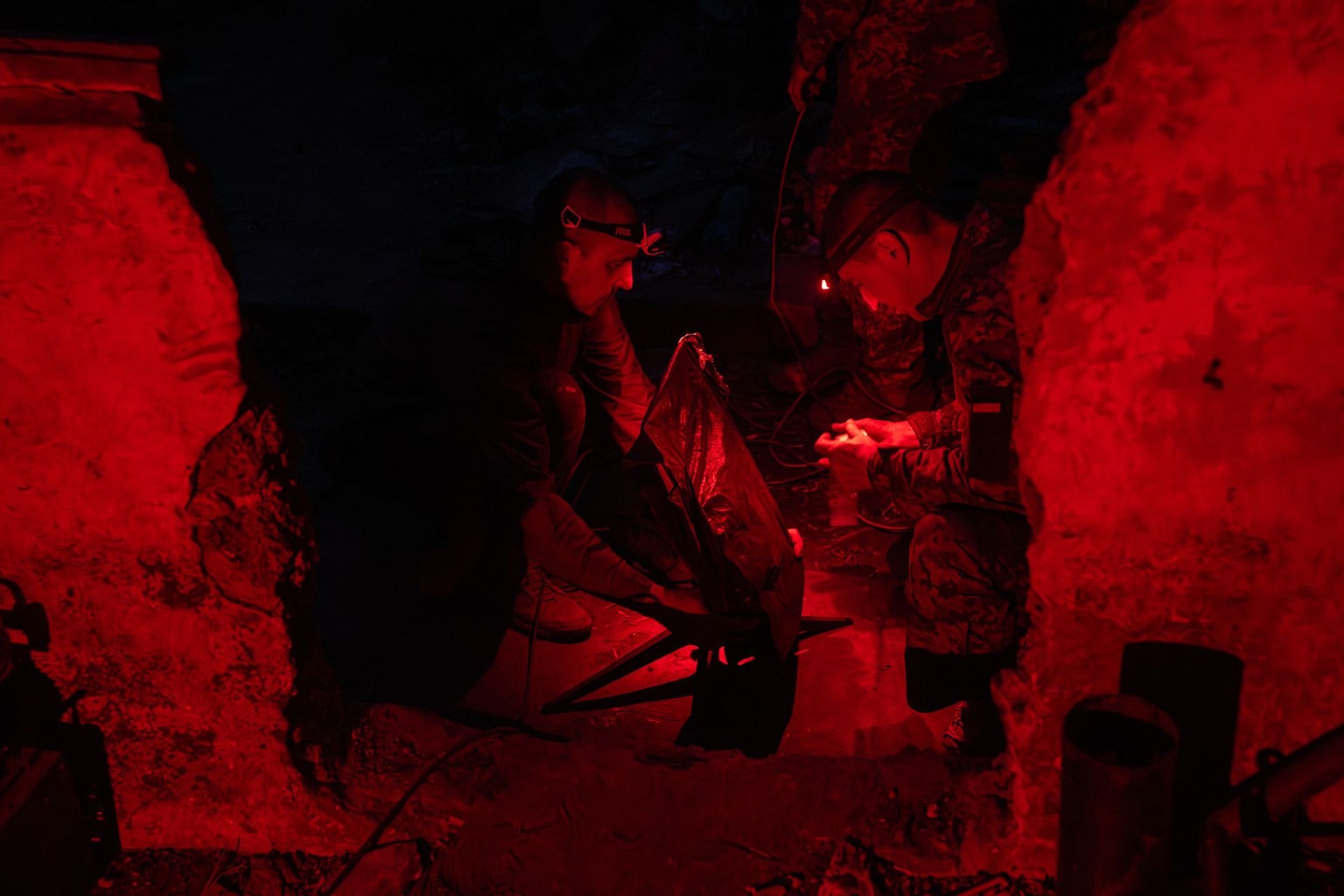
Ukraine relies on Starlink for several military applications including operating its "middle strike" campaign in Russian-occupied Ukraine, as well as interceptor drones that defend against Russia's new jet-powered attack drones. It is restricted from using it inside Russia itself.
Pentagon officials received notice from within the White House that the Starshield service — Starlink's military package — needed to be slowed down, two U.S. officials, and another Western official, told Reuters on the condition of anonymity. Officials did not state who was responsible for issuing the order.
The speed restrictions were accompanied by signal disruptions and instability, even at lower speeds. Military personnel from multiple units reported serious issues with Starlink throughout the day.
Presidential adviser Serhii "Flash" Beskrestnov said that "several" military missions severely disrupting amid the restrictions.
Connectivity for Starlink systems used by the Ukrainian military have "been restored and remains operational," a source in the Defense Ministry told the Kyiv Independent on Oct. 15.
But a source in Ukraine's drone industry who requested anonymity due to the nature of their work told the Kyiv Independent that "in some cases, it works perfectly, in some places it does not."
While the source of the disruption has yet been publicly confirmed, Ukrainian officials as well as SpaceX CEO Elon Musk have pointed towards Kyiv's deteriorating relationship with the White House.
A post on X from Musk said only U.S. President Donald Trump had the power to determine the speed restrictions for Starshield systems.
"Any limits on speed or usage are decided by the U.S. military and ultimately (the president). .... Usage of Starlink is limited to civilian or defensive activities and cannot be used for offensive military action," he said.
According to Reuters, a senior U.S. official denied that the request came from U.S. President Donald Trump.
The restrictions came as Ukraine continues to come under significant and sustained pressure from the Trump administration to cease attacks on Russian oil refineries, something Kyiv views as an essential part of its defense against Russia's invasion.
The Ukraine-U.S. relations continue to hit a low point after Trump blamed Ukrainian strikes against Russian refineries for the rising global fuel prices — a claim disputed by experts — and his team threatened to cut off intelligence support and arms shipments unless Kyiv halts the attacks.
Washington then unexpectedly unveiled a deal allowing Moscow to export diesel fuel to the U.S. and other markets despite sanctions imposed due to the full-scale invasion of Ukraine.
A few days later, on Oct. 11, Trump unilaterally announced an energy truce between Russia and Ukraine, taking Ukrainian officials by surprise — as Russia continued to strike Ukrainian energy infrastructure.
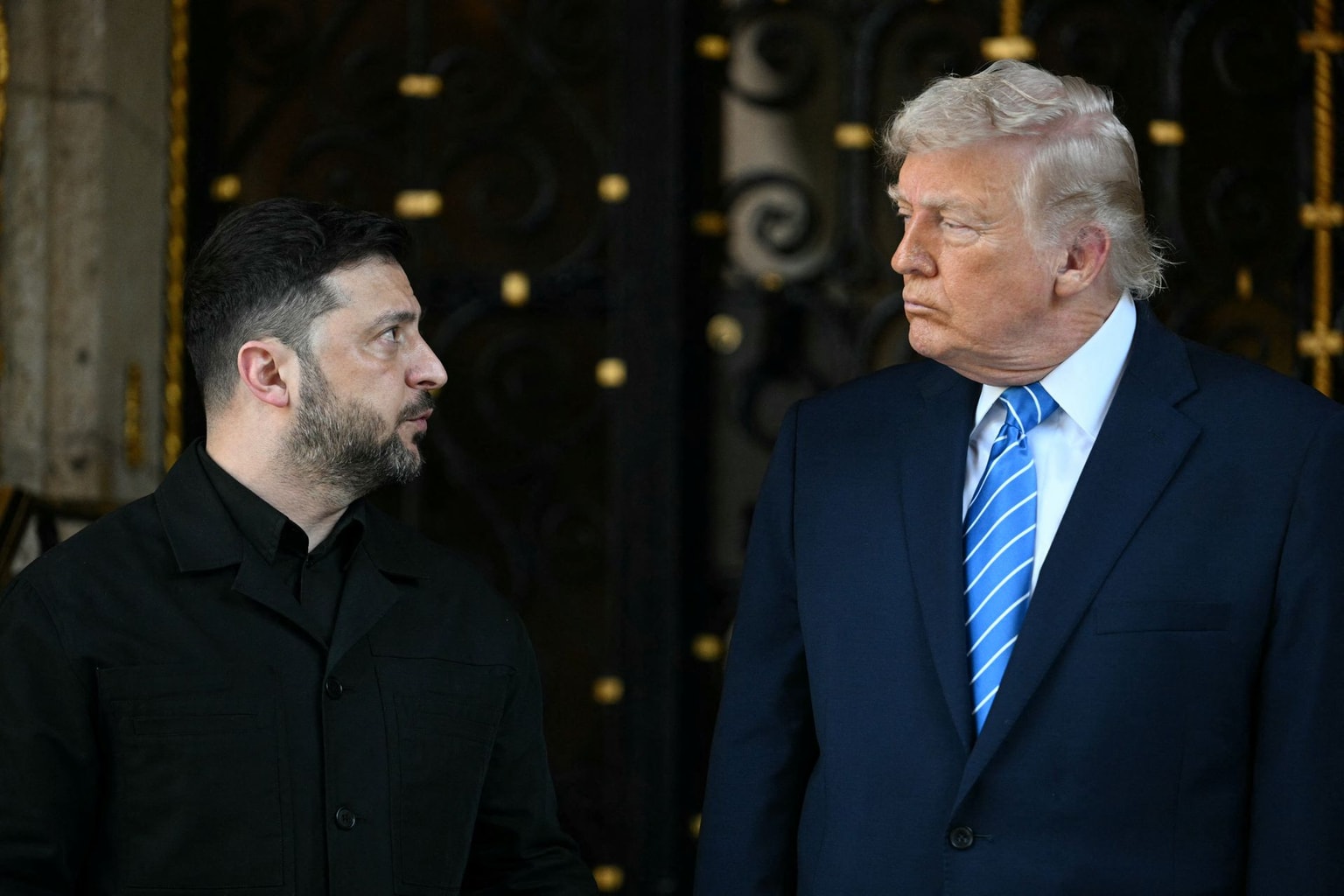
Personal tensions between Trump and President Volodymyr Zelensky appeared to unravel in the days following. When asked whether he felt betrayed by Trump for the diesel export decision, the Ukrainian leader answered: "Really, yes... but it's a little bit more complicated than just my emotions or my feelings."
In response, Trump described the Ukrainian president on Oct. 15 as "not a good guy for (the U.S.) to deal with," adding that he was "not a big fan of Zelensky."