Latvia announces surprise combat readiness check of its military
 on Google

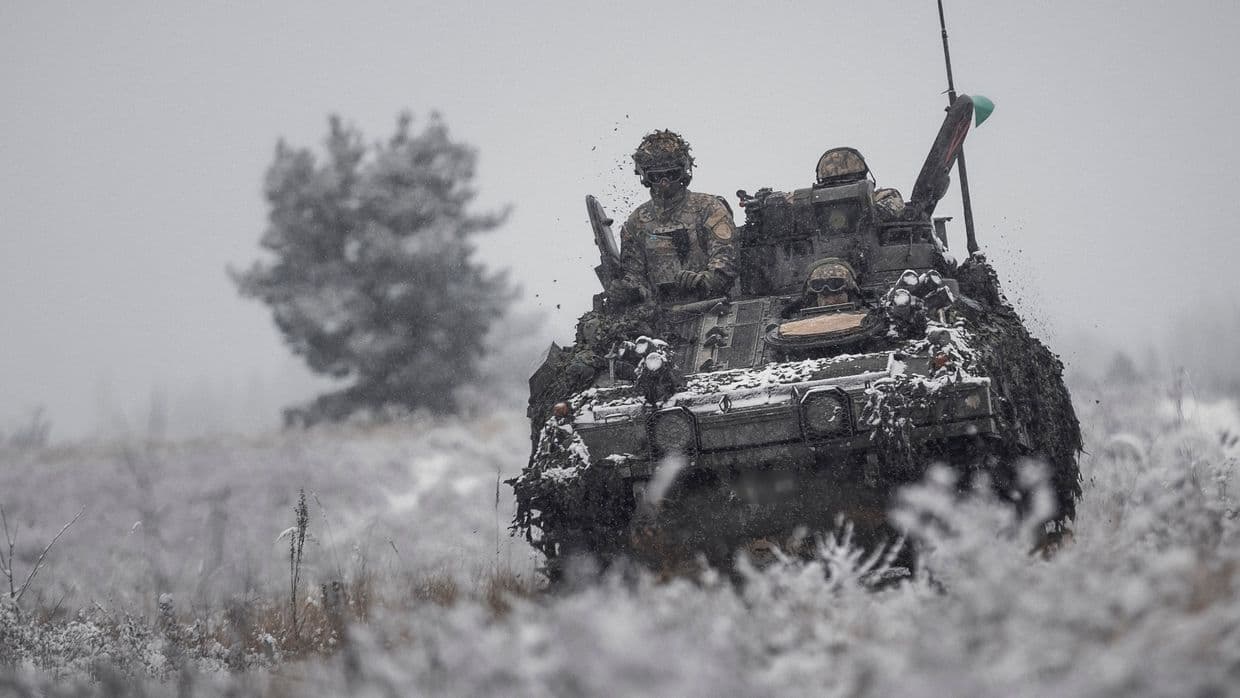
Latvia's Armed Forces on Dec. 17 announced snap military exercises across the country "to test and improve procedures and units' combat readiness."
While the Latvian Defense Ministry said that the drills are "not related to changes in the security environment," the exercises take place amid surging tensions between NATO and Russia.
The partial test will consist of moving units across Latvia to different sites where they will perform assigned tasks.
The Baltic states have been on high alert since Russia’s full-scale invasion of Ukraine began, sharing a history of Russian aggression and occupation.
Latvia, a NATO member country of 1.8 million with a sizeable Russian minority, borders Russia and its key ally in the region, Belarus. One of Ukraine’s biggest supporters, Riga has committed to providing military support at the level of 0.25% of its GDP every year and will provide thousands of drones.
Latvia, Lithuania, and Estonia have been raising alarm about a growing Russian threat to the Baltic region and the alliance as a whole. As they prepare for possible conflict, the three nations agreed to build a Baltic defense line in the coming years to strengthen the eastern border with Belarus and Russia.
Lithuania, another Baltic state bordering Russia’s Kaliningrad enclave, has blocked and fortified a bridge over the Nieman River, linking it to the Russian exclave. The country has also drafted plans to relocate a quarter of its population in the case of war.
In light of Russia's war against Ukraine, civil preparedness measures have been under review also in Latvia and Estonia.