Kyiv, Brussels back international commission on Russia war reparations
 on Google
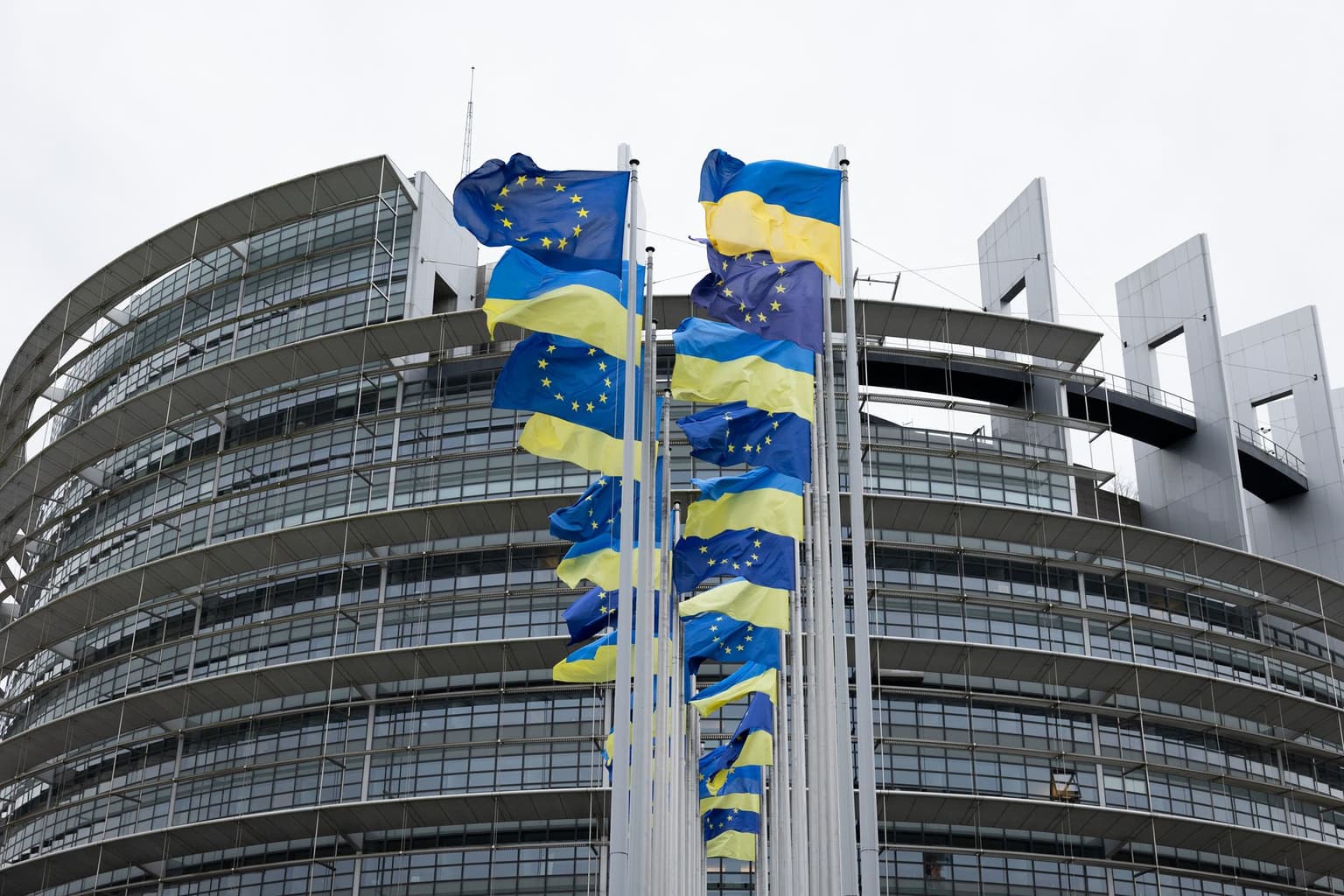
The Ukrainian Parliament on April 30 became the first country to ratify the establishment of an international body that will allow victims of Russia's war of aggression to seek compensation.
The European Parliament also voted for the EU to back the International Claims Commission on the same day, along with endorsing EU participation in a second Council of Europe body designed to deliver international justice for Ukraine, a special tribunal to prosecute the crime of aggression.
Deputy Head of Ukraine's Presidential Office Iryna Mudra hailed what she called "a historic step toward making Russian reparations legally enforceable."
To bring the two bodies to life, 16 countries need to back the special tribunal, and 25 need to sign off on the International Claims Commission (ICC). Enough countries have now backed the tribunal, but the ICC has 24 still to go.
Ukraine is now the first country to ratify the ICC. For the EU to join in its own right, the European Parliament first needed to give its consent, before EU countries can give their final approval.
Members of the European Parliament voted overwhelmingly on April 30 in favor of their resolution to back both the special tribunal and the ICC. Signing on to them entails providing the financial and logistical support required for the entities to carry out their work, in return for having a say over how both the commission and tribunal function.
read also
The votes from Kyiv and Brussels are timely, as the foreign ministers of all 46 Council of Europe member states are expected to advance both the International Claims Commission and the special tribunal at their annual meeting on May 15 in Moldova's capital, Chisinau.
The International Claims Commission is an administrative body that reviews and assesses Ukrainian claims for compensation for damage caused by Russia as a result of its illegal invasion of Ukraine. Some 45,000 claims have already been submitted for consideration.
The special tribunal for prosecuting the crime of aggression against Ukraine was signed off by the Council of Europe in May 2025 with a remit to directly prosecute the Russian government's decision to launch its illegal war, for which the International Criminal Court lacks jurisdiction.
Lithuanian MEP Petras Austrevicius, who pushed for the April 30 resolution vote, said "the decisions taken this week aim to send a very clear message: Russia and its allies responsible for terror and massive destruction in Ukraine must pay."
Austrevicius also expects the International Claims Commission to "reopen the debate on how best to utilize Russia's frozen assets to fund war reparations," and argues that Russia should pay the 500 million euros ($585 million) damage it caused to the protective shelter at the nuclear facility at Chornobyl.