Iceland, Poland back tribunal to prosecute Russia's aggression against Ukraine
 on Google
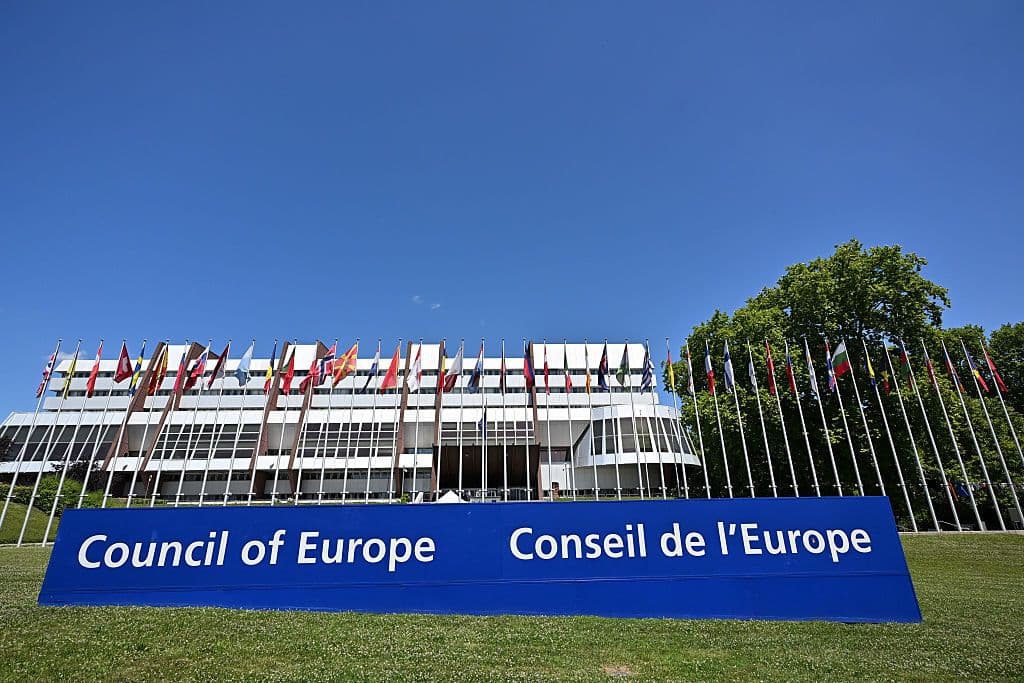
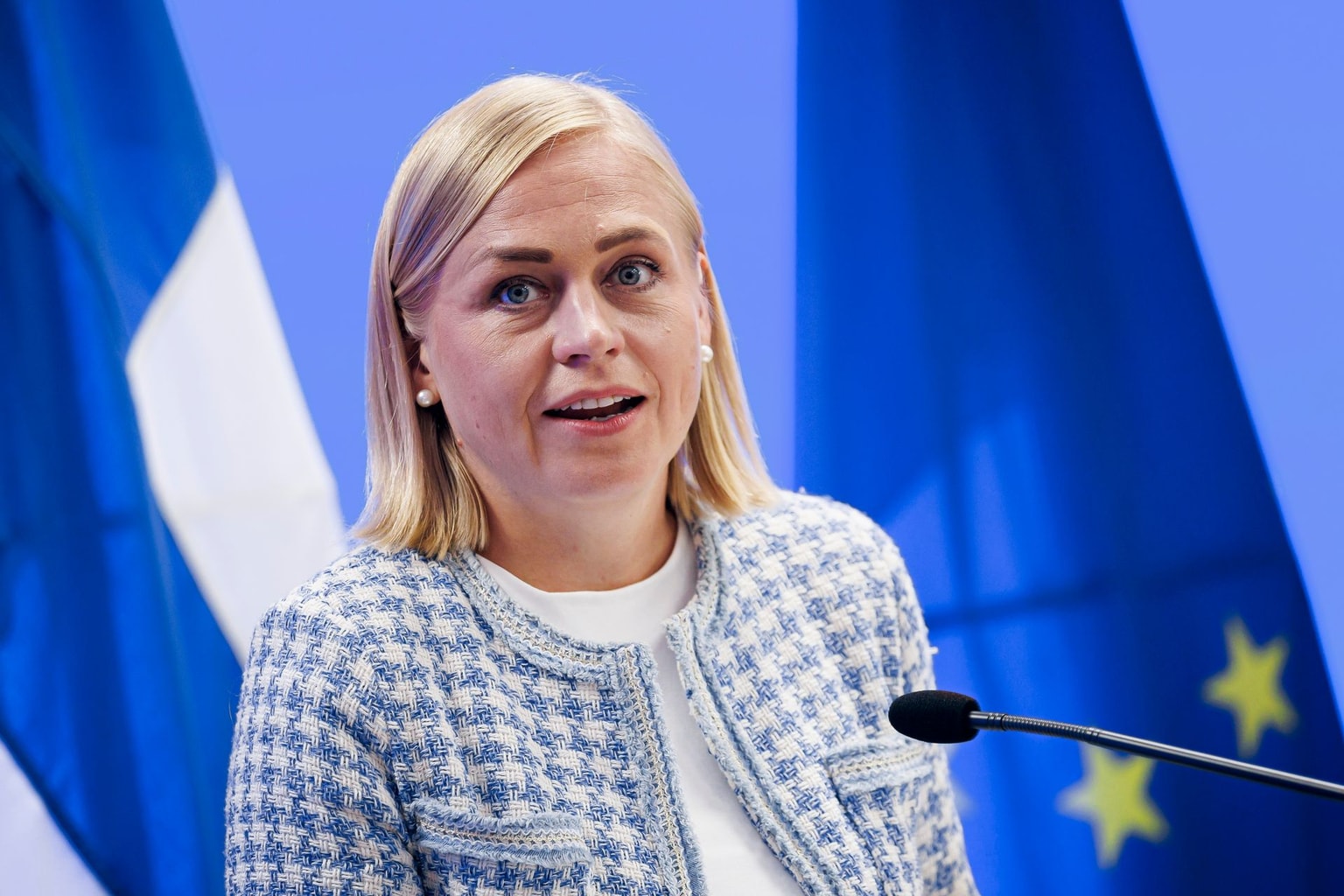
Iceland and Poland have agreed to support the creation of a special tribunal within the Council of Europe to prosecute the crime of aggression against Ukraine, Foreign Minister Andrii Sybiha said April 14.
"Iceland and Poland have confirmed their willingness to join the agreement required to launch the Special Tribunal for the Crime of Aggression Against Ukraine," Sybiha wrote on social media.
He said Ukraine would continue working to broaden international support for the initiative.
"We will continue to gather more signatures of countries to join — both within the Council of Europe and outside of it, on all continents and in all regions. We encourage all states to join this historic accountability effort," he said.
Sybiha stressed that accountability would be essential for achieving lasting peace.
"Criminals in Moscow must realize that justice is inevitable. From ordinary Russian executors to the highest military and political leadership. Accountability is critical for a lasting peace," he said.
At least 17 European countries are now prepared to commit to the tribunal, meeting the minimum threshold required for the proposal to advance to a vote at an upcoming Council of Europe meeting in May, Sybiha said.
The tribunal would have the mandate to prosecute senior political and military leaders for the crime of aggression against Ukraine — the decision to launch an invasion of another country.
A separate court is considered necessary because the International Criminal Court in The Hague can investigate war crimes committed during the conflict but lacks jurisdiction to prosecute the crime of aggression in this case.
Ukraine agreed in June 2025 to establish the tribunal within the framework of the Council of Europe. For the tribunal to take effect, a host country must be selected and sufficient states must commit funding by signing the "Enlarged Partial Agreement," the legal mechanism underpinning the court.
Lithuania was the first country to sign the agreement in November 2025, followed by several others, including Austria, Denmark, and the Netherlands. Non-European countries are also eligible to participate, though Costa Rica is the only country outside Europe to have signed on so far.