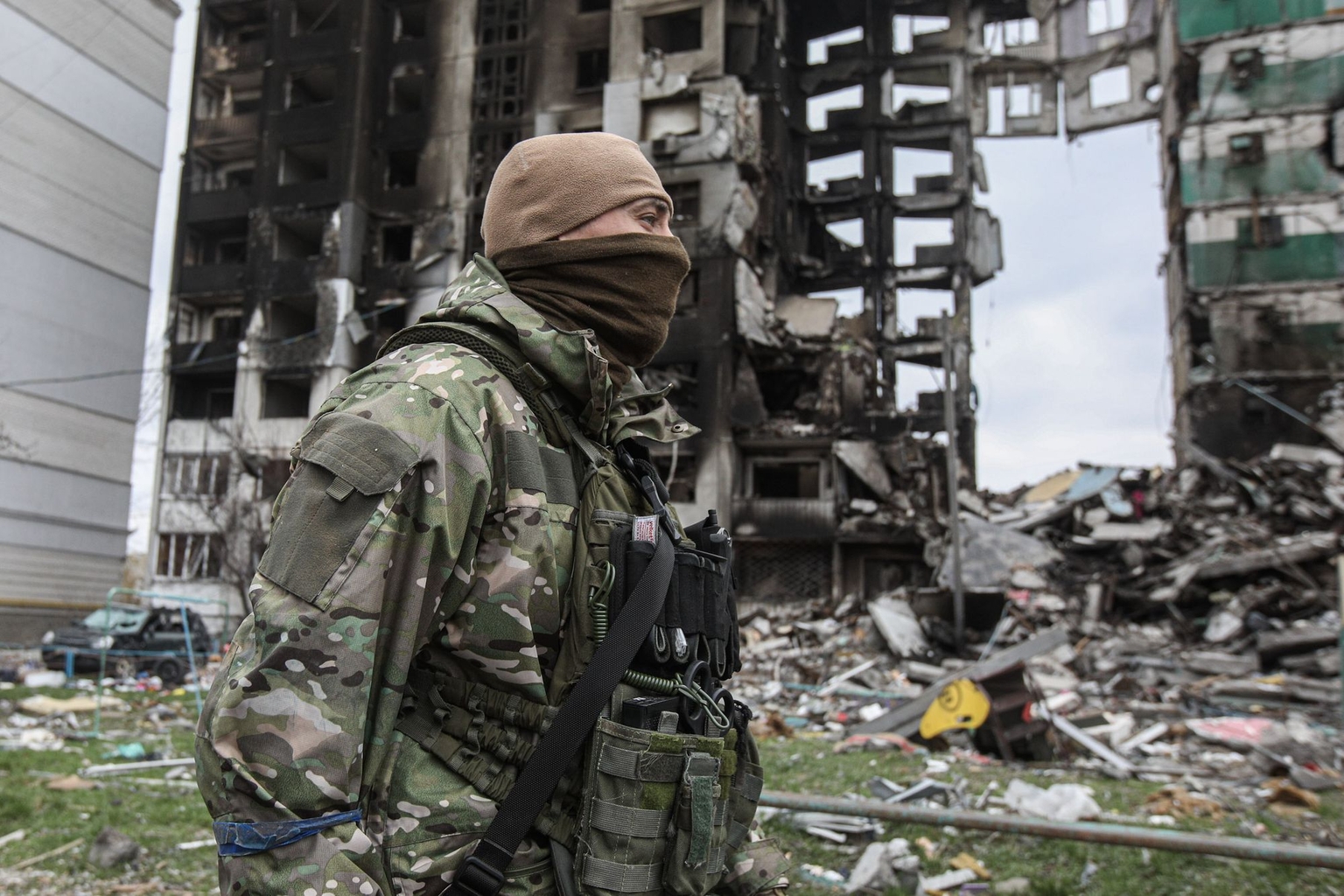
Ukrainian serviceman passes by a building destroyed by a bomb in the town of Borodyanka in Kyiv Oblast on April 6, 2022. (Kostyantyn Chernichkin)
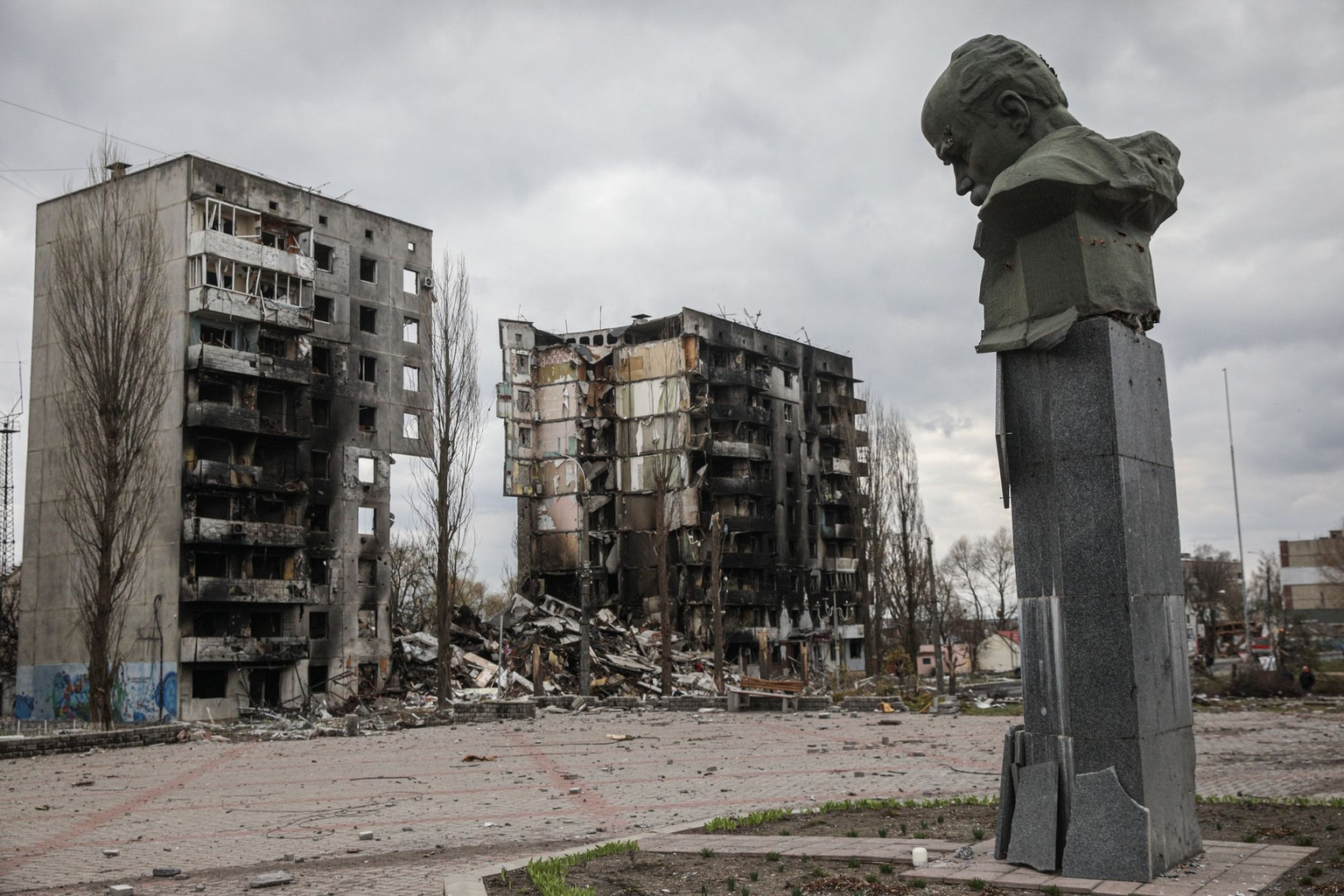
A monument to Ukrainian poet Taras Shevchenko damaged by the Russian air strikes on the town of Borodyanka in Kyiv Oblast, photographed on April 6, 2022. (Kostyantyn Chernichkin)
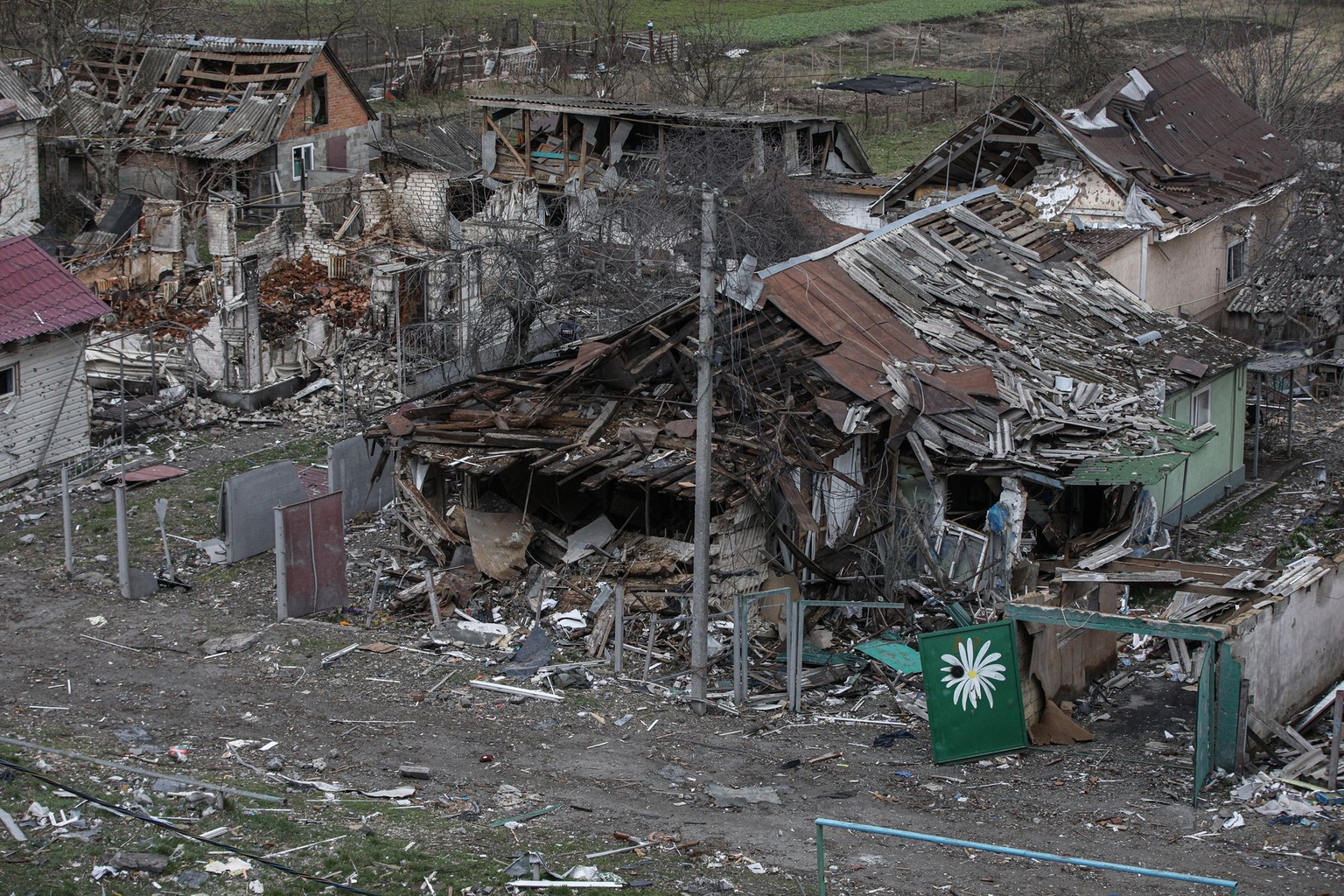
Destroyed houses in the town of Borodyanka in Kyiv Oblast are seen on April 6, 2022. (Kostyantyn Chernichkin)
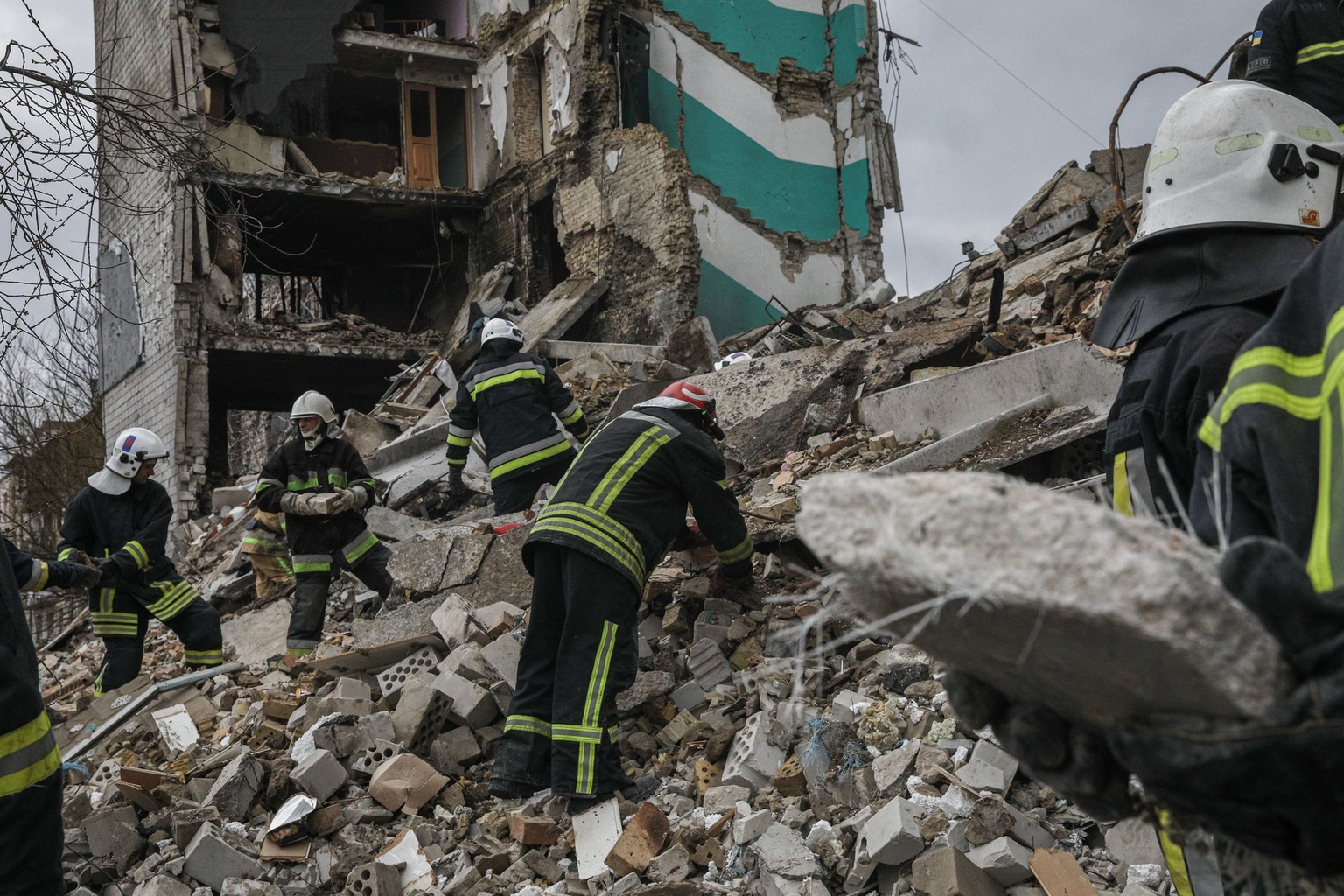
Emergency services workers search for people amid the rubble in the town of Borodyanka in Kyiv Oblast on April 6, 2022. (Kostyantyn Chernichkin)
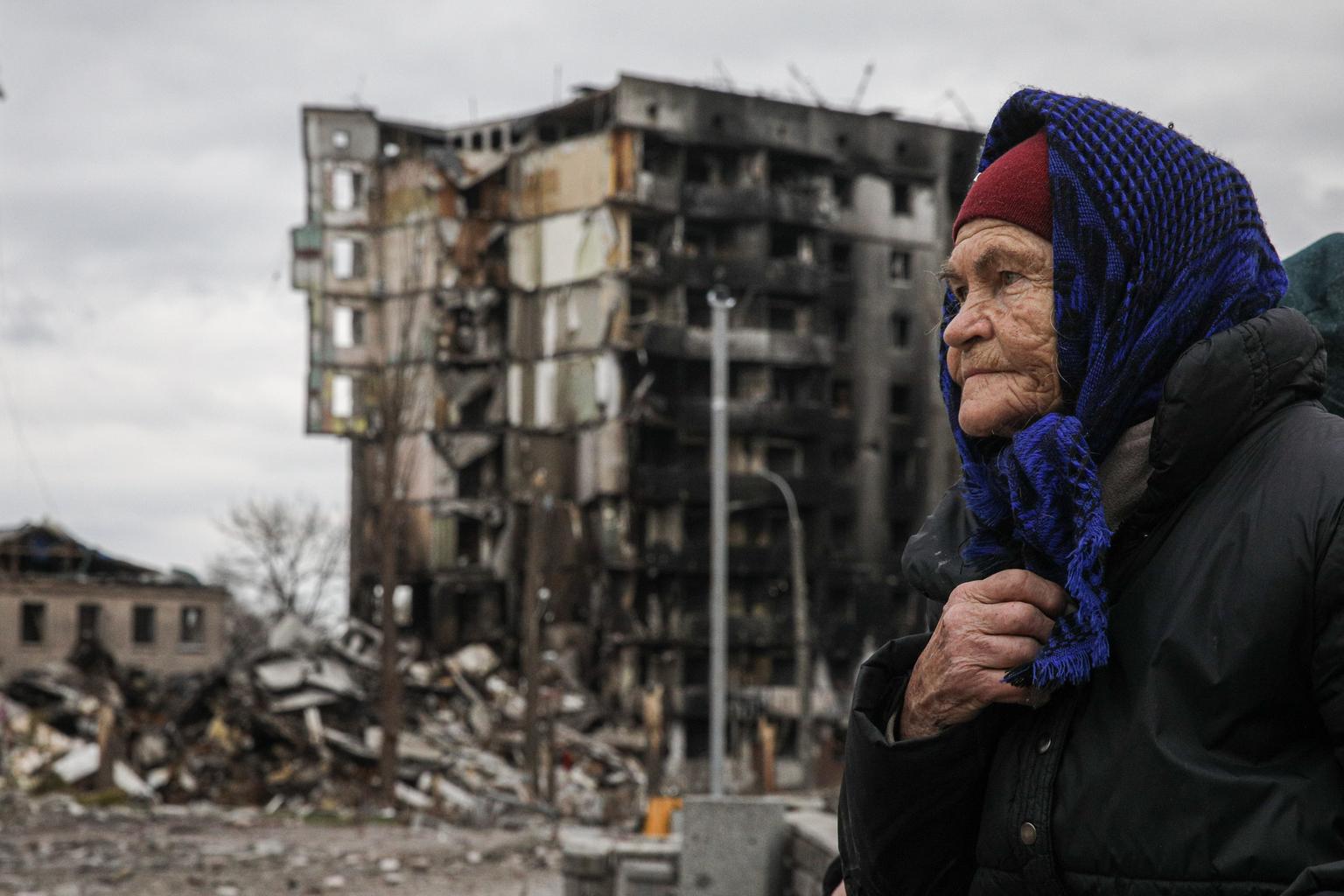
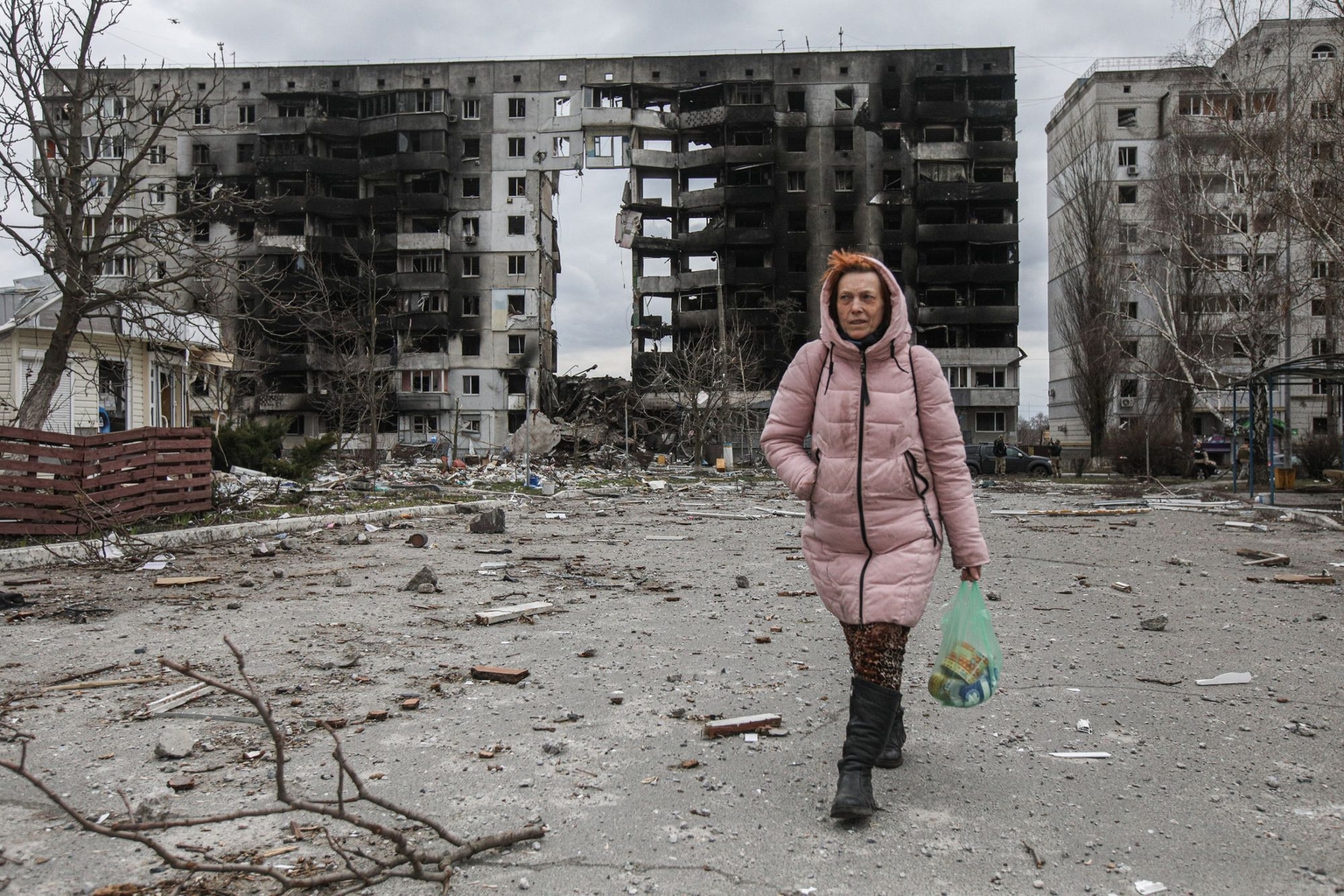
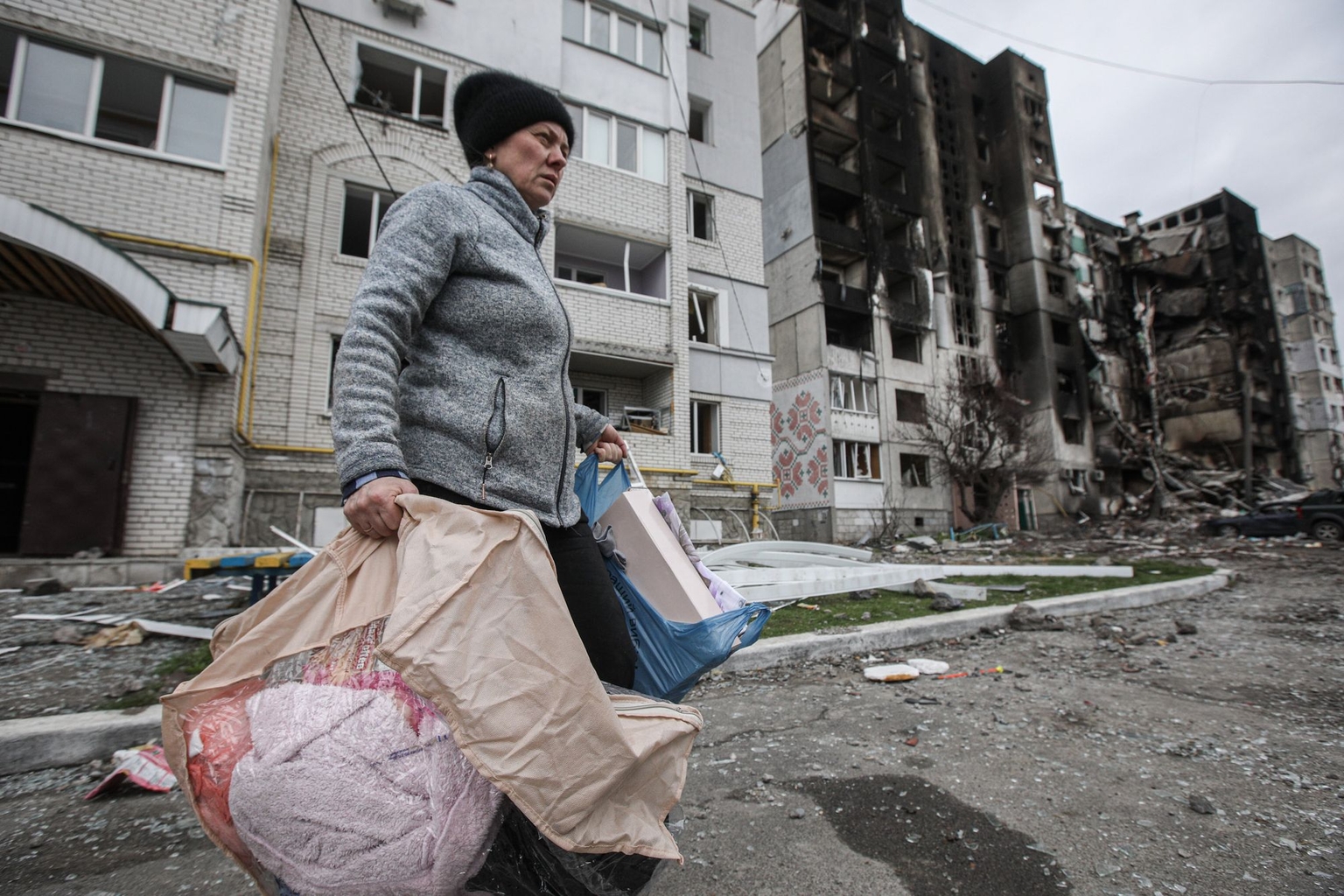
A woman walks in front of a residential building destroyed by Russian bombing in early March, in the town of Borodyanka in Kyiv Oblast on April 6, 2022. (Kostyantyn Chernichkin)
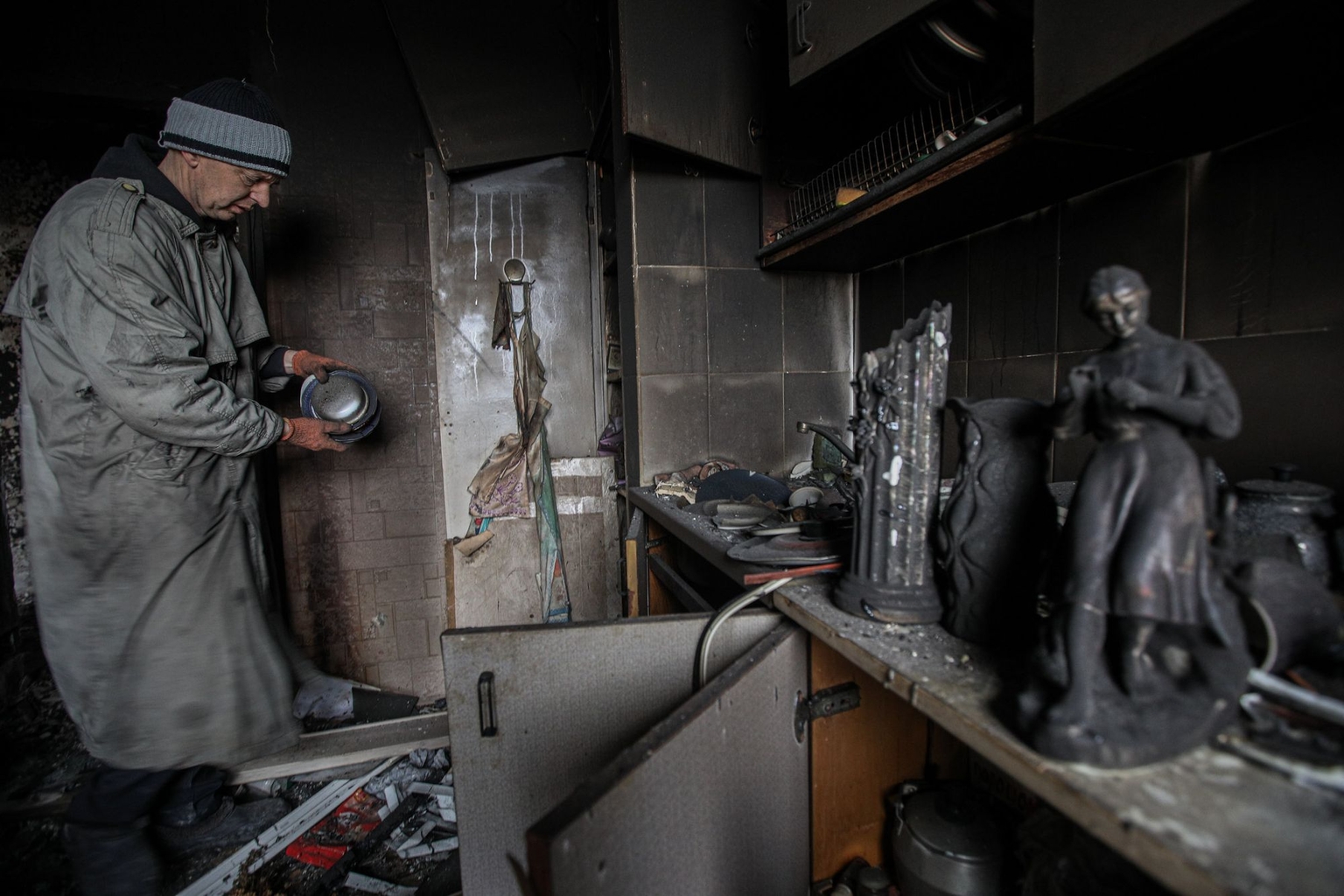
Dmytro Sadofiev goes through his belongings in his kitchen in the town of Borodyanka in Kyiv Oblast on April 6, 2022. The town has suffered from Russian bombing in early March. (Kostyantyn Chernichkin)
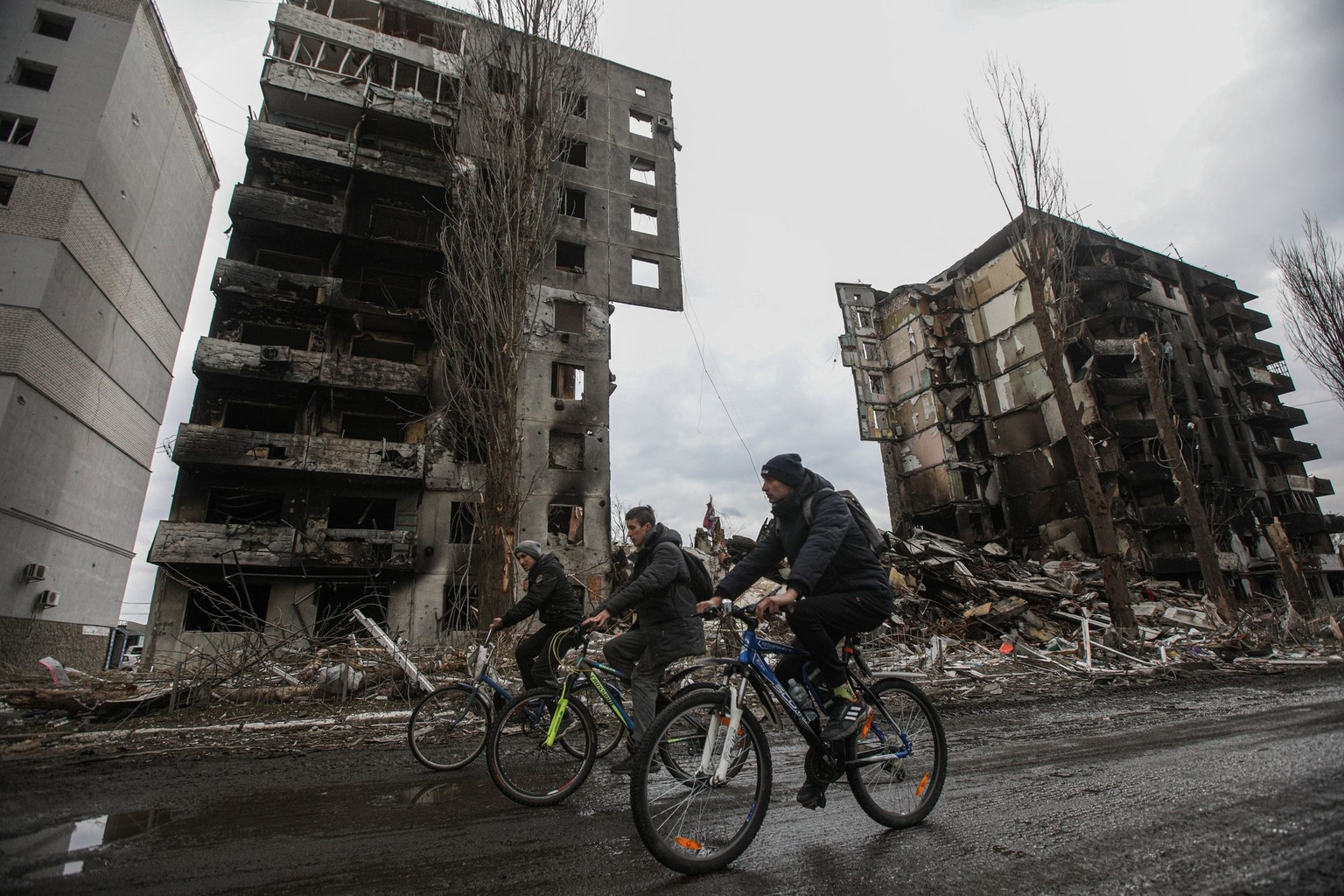
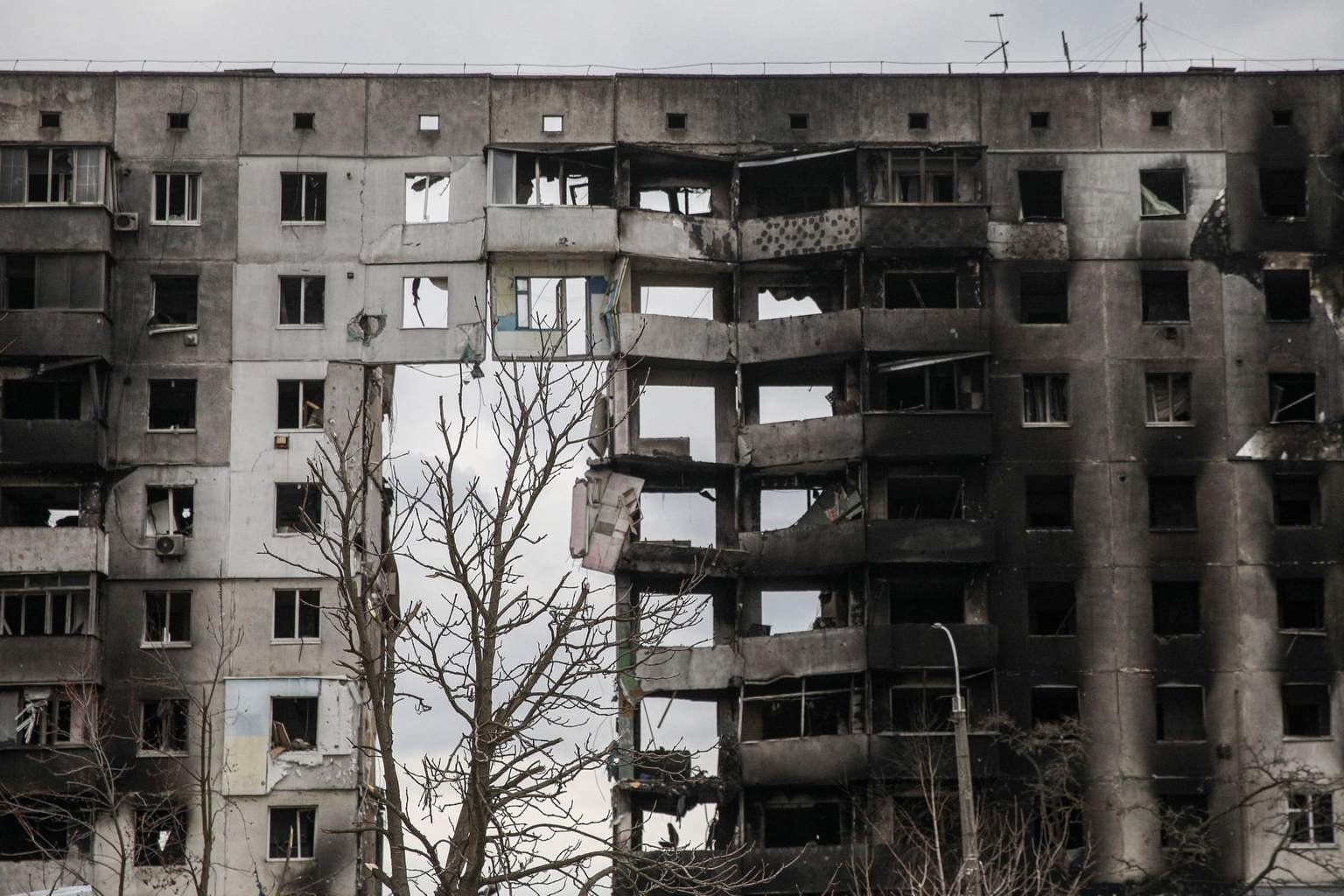
Locals pass by the remains of an apartment building in the town of Borodyanka in Kyiv Oblast on April 6, 2022. The building was hit by a Russian bomb in early March. (Kostyantyn Chernichkin)
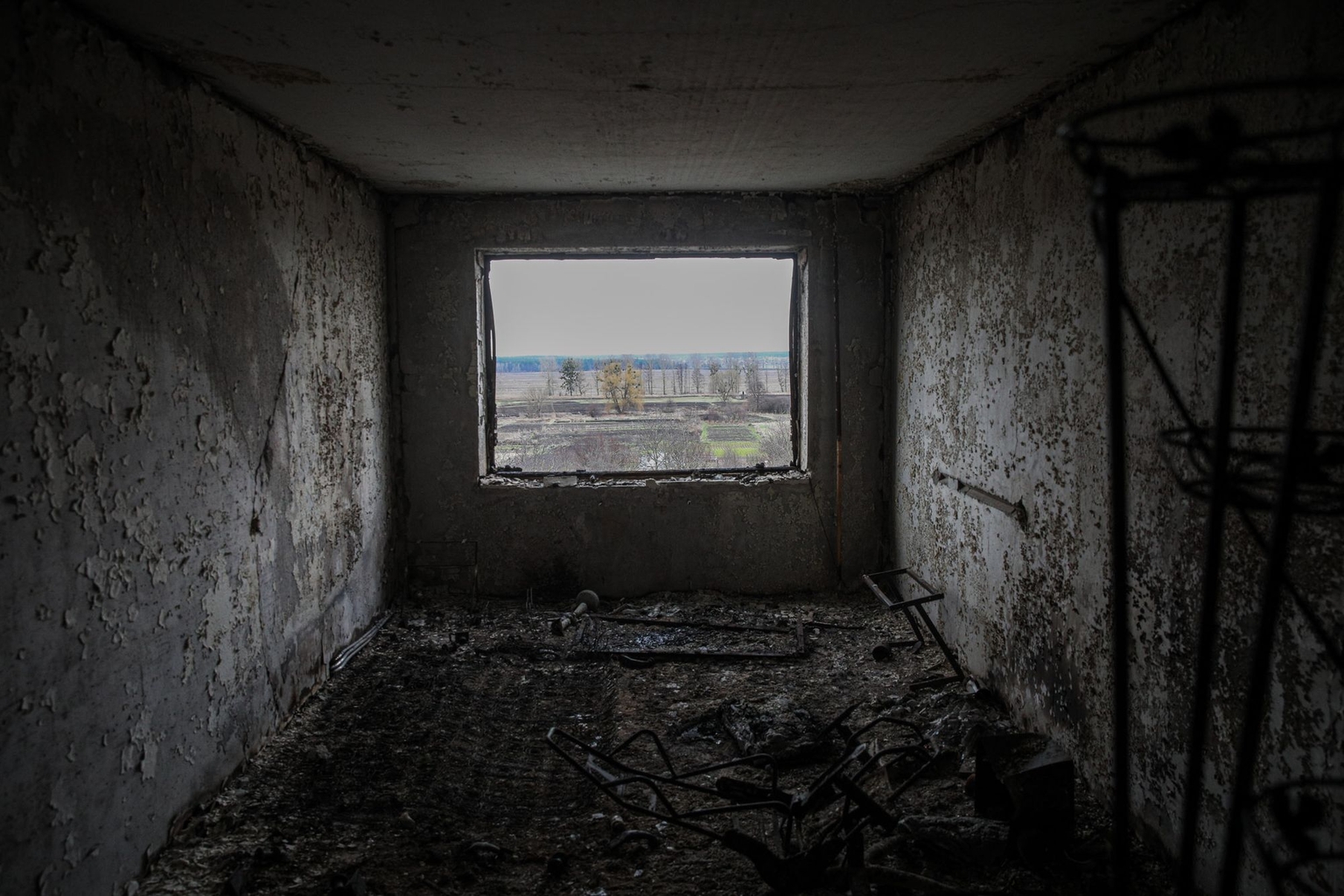
A view of a partially destroyed apartment of Dmytro Sadofiev’s daughter in an apartment block that had been hit by Russian bombing in the town of Borodyanka in Kyiv Oblast on April 6, 2022. (Kostyantyn Chernichkin)
A local woman carries belongings from the nearly destroyed apartment buildings in the town of Borodyanka in Kyiv Oblast on April 6, 2022. (Kostyantyn Chernichkin)
Remains of an apartment building in Borodyanka, a town of Kyiv Oblast, are seen on April 6, 2022. Russia dropped heavy bombs on the city in early March. (Kostyantyn Chernichkin)
Borodyanka, a town of 12,000 people 40 kilometers northwest of Kyiv, has suffered some of the worst destruction seen by any place in Russia's war against Ukraine.
More than 10 apartment buildings in the heart of the town were destroyed by Russia's bombs in early March. Only recently, when Ukraine regained control of Borodyanka, it became possible to start clearing the rubble. A month after the attack, there is little hope to find survivors.
Hundreds of people are expected to be found buried under the rubble.
Effective Oct. 10, the Russian government will permit the sale of 500,000 tons of diesel to foreign markets. Moscow previously banned diesel exports in July in response to Ukrainian strikes.
In the letter, Rep. Jamie Raskin and Rep. Jim Himes urged the FBI director to cancel the visit, citing “urgent national security concerns,” including the FSB's history of conducting espionage operations against American officials.
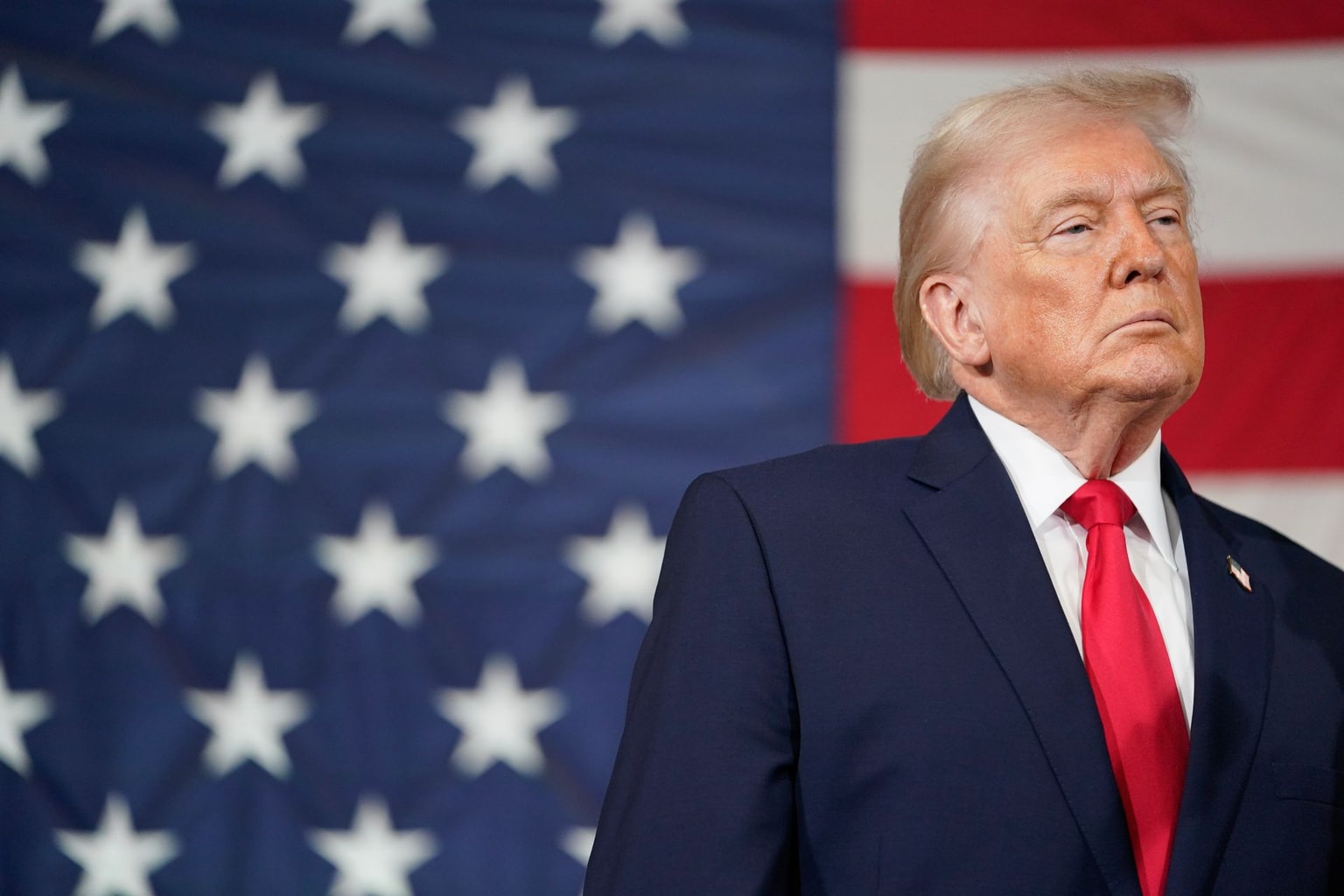
"I think it's time for Ukraine to get a new president," U.S. President Donald Trump said when questioned about his deal to ease sanctions against Russia in exchange for diesel.
Three children were among those killed by a Russian airstrike in the early hours of Oct. 10. Some victims were trapped for hours beneath the rubble as rescuers searched for survivors.
Loud explosions rang out in Kyiv around 2 p.m. on Oct. 10, according to Kyiv Independent journalists in the city, as Russia launched a series of missiles at the city following a morning drone attack on energy infrastructure.
The Kyiv Independent’s Francis Farrell joins the Alter Ego Battalion of Ukraine’s 93rd Mechanized Brigade to see how Ukrainian soldiers are developing and deploying unmanned ground vehicles in the war against Russia.
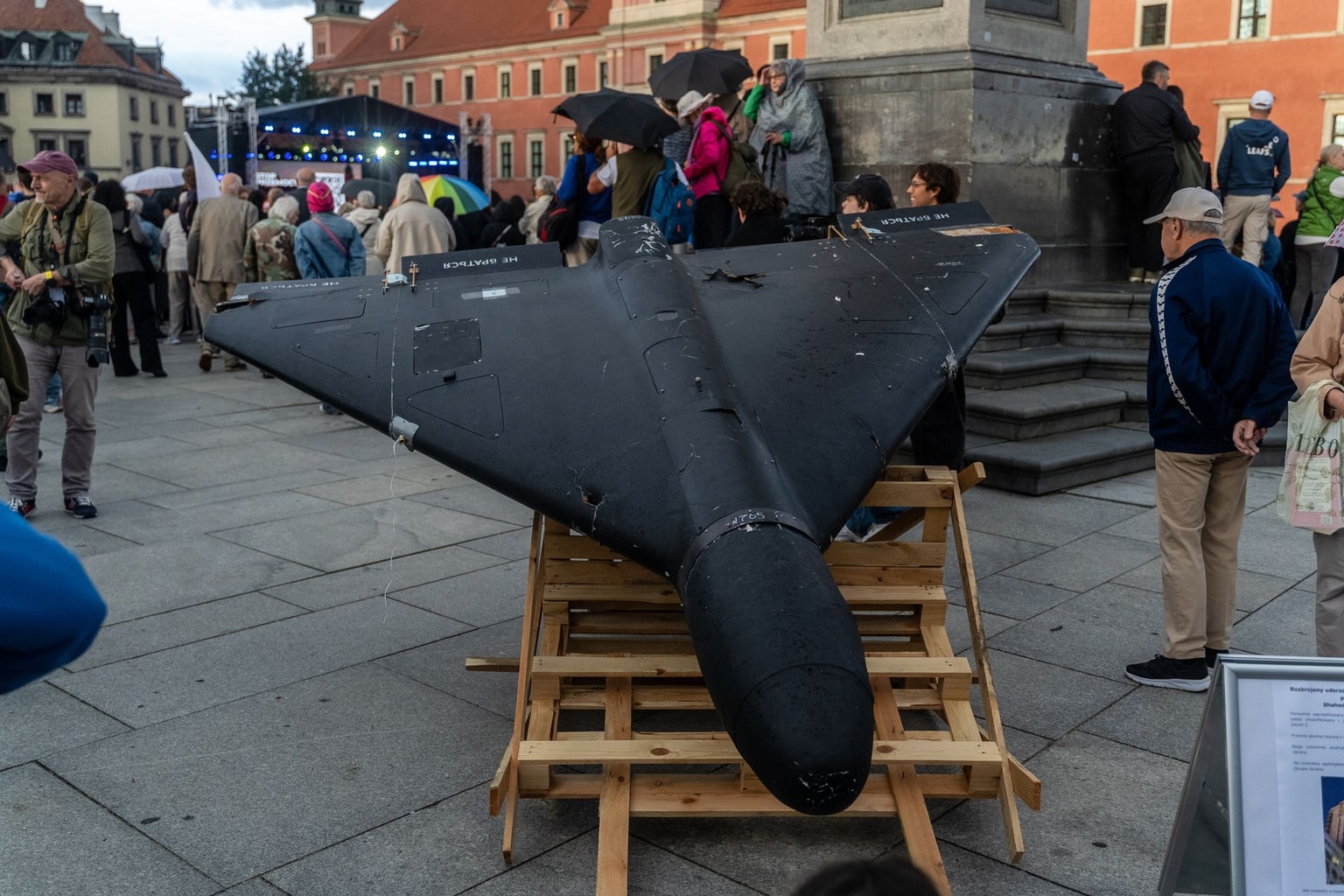
ASTRA also reported damage to a residential building in Rostov-on-Don's Donskaya Sloboda complex, identifying its location through footage posted by residents. It remained unclear what struck the building amid reports of continued drone activity and Russian air defense operations.
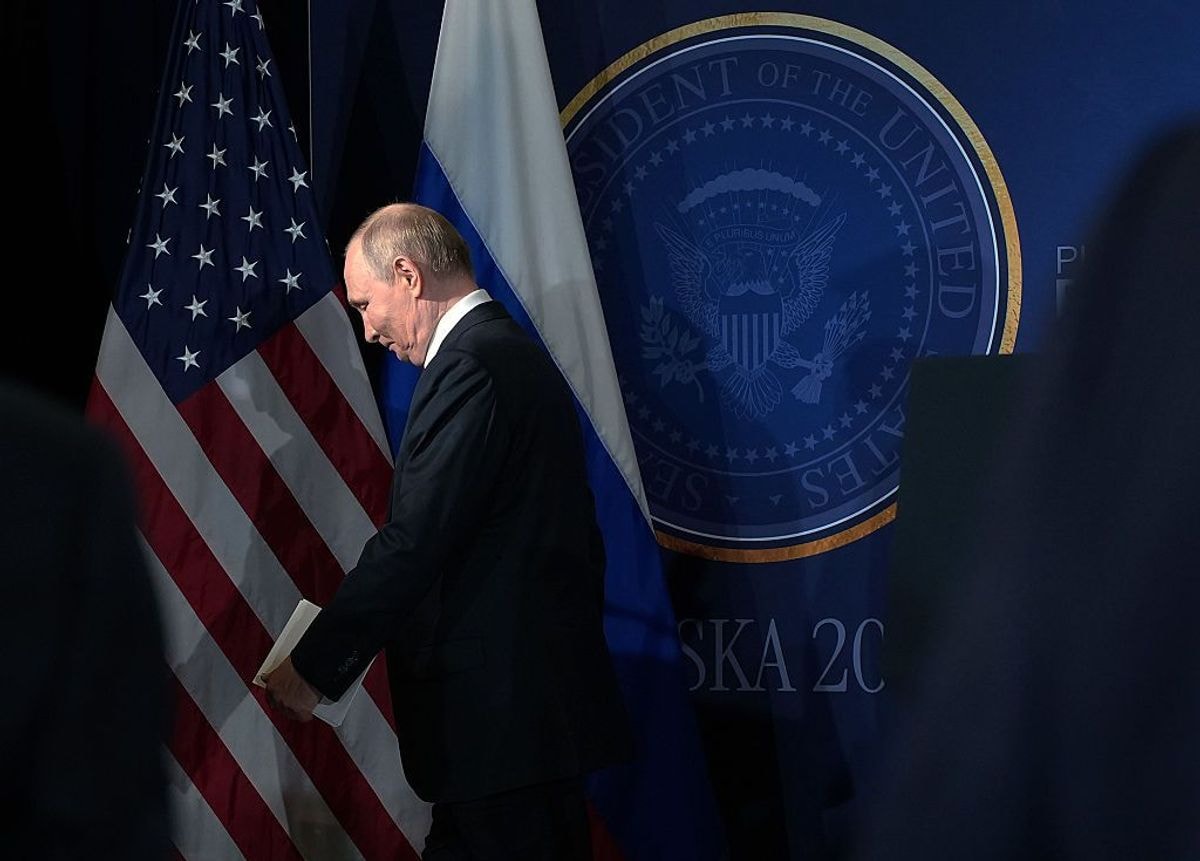
The meeting coincided with U.S. President Donald Trump's announcement that Russia would supply millions of tons of diesel to the United States and global markets following a call with Russian President Vladimir Putin.
The acclaimed journalist was reportedly on an editorial assignment in Vienna with his colleague Yaroslav Bondarenko when he was detained by Austrian authorities.
During Kachka’s tenure overseeing EU integration, Ukraine opened its first two accession negotiation clusters — groups of policy areas in which candidates must meet EU requirements.
This story exists because readers chose to back it. Behind it is a newsroom that will not look away — and a community of people who make that possible. It's thanks to 35,000 members that our reporting stays free for everyone to read, and we can continue our reporting. Will you be one of them?

 on Google