Germany mulls return of Ukrainian men amid wider EU clampdown
 on Google
Berlin and Kyiv are discussing mechanisms both to encourage and force Ukrainian men residing in Germany to return to their country, Ukraine's ambassador to Germany Oleksiy Makeev said in an interview with Ukrinform on July 3.
There are over 4 million Ukrainian refugees living across the European Union, with Germany hosting over a million – more than any other EU country.
"I will not reveal these mechanisms yet," Makeev said of the preparations to expel from Germany Ukrainian men eligible for military mobilization, who left the country illegally.
"They are just being discussed within the framework of the work of this working group," Makeev added.
The comments come a week after the European Commission proposed changes to the temporary protection measures it has in place for Ukrainians to no longer grant the same level of protection to men eligible for conscription, who have been forbidden by Ukrainian law from leaving the country.
The blanket change was criticized by Michael O'Flaherty, the Council of Europe's commissioner for human rights, who said there are several scenarios where a man of military age should also be afforded protection.
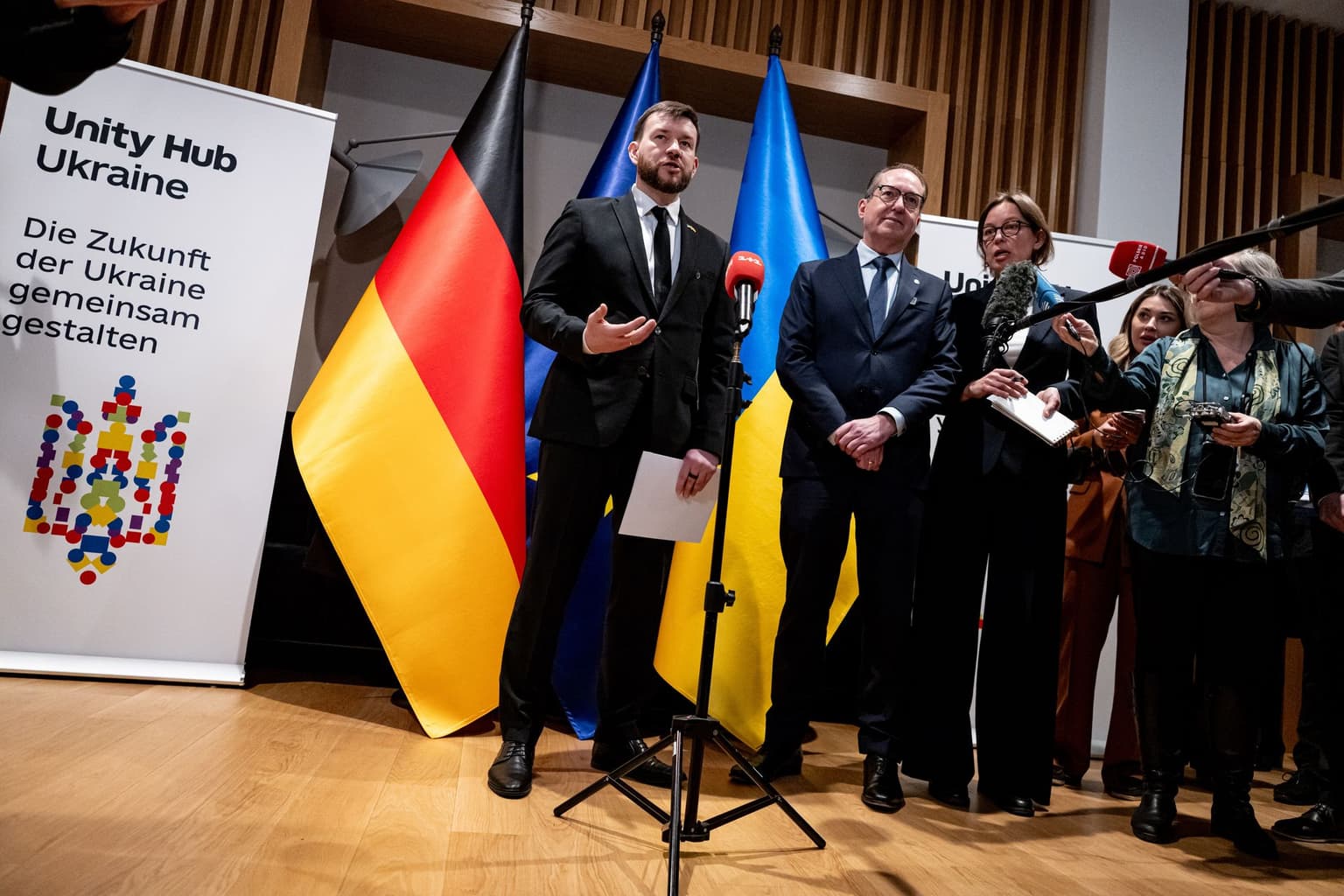
Makeev's interview also discussed so-called Unity Hub centers, which are being established across Germany to maintain connections between the Ukrainian government and its citizens living abroad.
The first of those hubs opened in Berlin in April 2026.
The ambassador hailed the hubs as enabling the Ukrainian state to continue providing services to its citizens, and as having the potential to facilitate voluntary returns, which, Makeev explained, has two components.
For Makeev, the Unity Hub concept allows Ukraine to "explain what opportunities exist" back home.
He also mentioned "a working group has been created between Ukrainian and German departments, where information is exchanged," with a view to encouraging voluntary returns.
"It is in our interests and in the interests of Germany to make sure that professionally trained Ukrainians can be counted on during the reconstruction of Ukraine," Makeev said.
And at an event in Brussels in June, Ukraine's Deputy Head of Mission to the EU, Oksana Diakun said that "without recovering our human capital, it will be difficult to achieve this goal of Ukraine in the EU."
Germany's work with Ukraine to facilitate voluntary returns is also in line with a broader European shift.
The EU's Migration Commissioner Magnus Brunner noted that discussions have been underway for a year on how to shift from temporary protection to "sustainable return and reintegration in Ukraine when conditions allow," during a press conference on June 26.
"Today we are also launching a voluntary return and recovery pilot program to support those who wish to return today and also to prepare for supporting returns once the situation allows for it," Brunner announced.
However, he did not have more details on what that program would include. He mentioned only "the unity hubs which are already there in some member states," like Germany, and the aim to "concentrate a bit better to make it more effective."