EU reportedly considers move to bypass Hungary's veto on Russia sanctions
 on Google
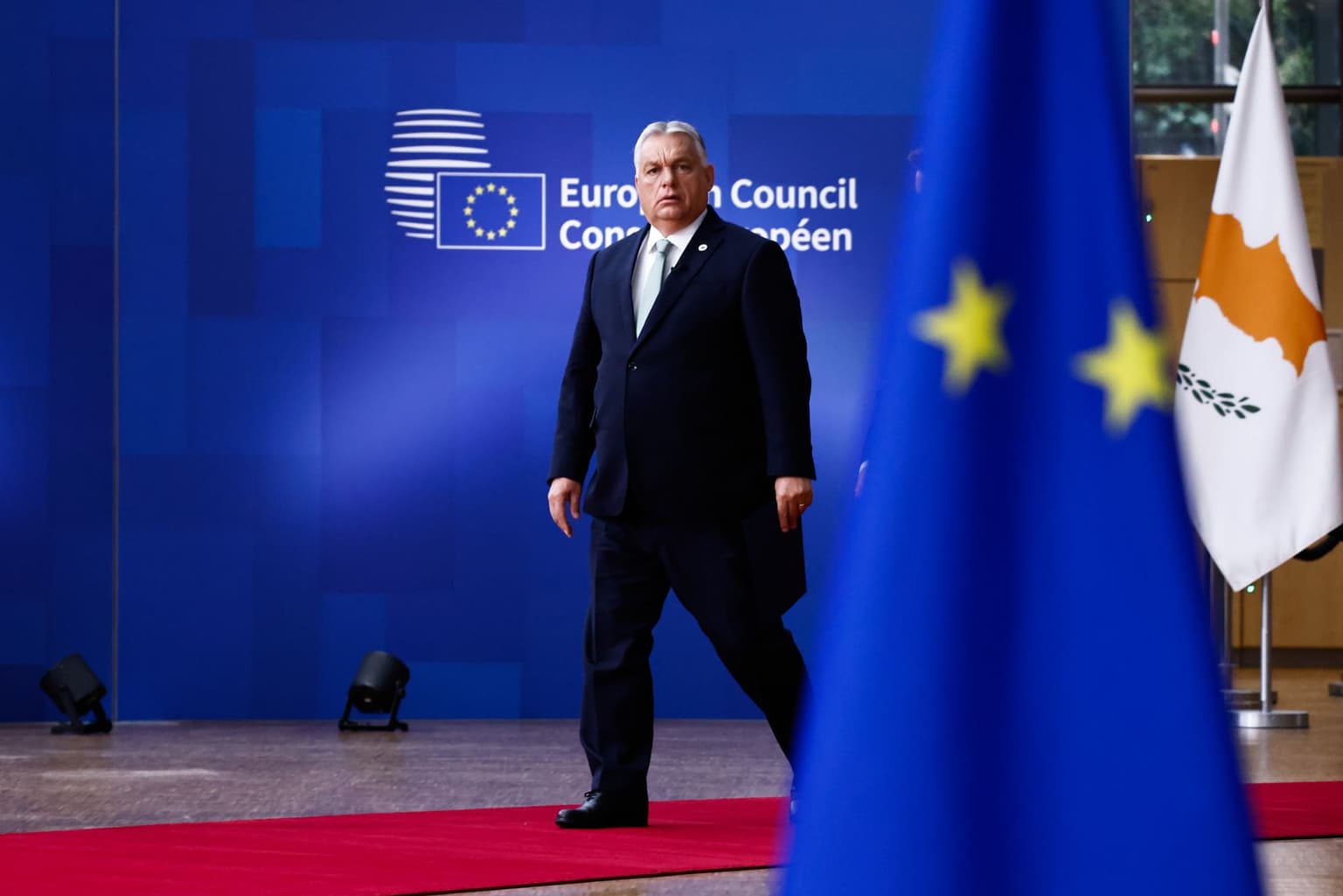
The EU is weighing changes to its sanctions extension process to prevent Hungary from vetoing Russia-related measures, Politico reported on Sept. 26, citing an internal European Commission document.
Under current rules, sanctions and other foreign policy steps require unanimous support from all 27 member states, giving Budapest the power to block or delay joint actions.
The commission reportedly proposes shifting from unanimity to a qualified majority when renewing sanctions packages.
The initiative is closely tied to discussions on a planned 140 billion euro ($163 billion) loan to Ukraine, financed by profits from frozen Russian assets. According to the proposal, the money would be disbursed in tranches to cover both defense and budgetary needs.
German Chancellor Friedrich Merz backed the idea on Sept. 25 but said the funds should be used exclusively for military equipment. He added that repayment would only occur once Russia compensates Ukraine for the destruction caused by its invasion.
By changing the voting system, the commission aims to prevent Hungary from stalling the process or enabling Moscow to regain access to frozen funds.
Sanctions are currently renewed every six months, requiring unanimous approval.
Hungarian Prime Minister Viktor Orban has repeatedly undermined EU unity on Russia, blocking or delaying aid to Kyiv, opposing sanctions, and maintaining close ties with Moscow.
Ukraine has also experienced ongoing diplomatic tensions with Budapest.
At the end of August, Hungary banned Commander of Ukraine's Unmanned Systems Forces Robert "Magyar" Brovdi from entering the country for attacks on the Druzhba oil pipeline.
Foreign Minister Andrii Sybiha said on Sept. 26 that Ukraine had responded to Hungary's actions by banning three senior Hungarian military officials from entering the country.
If implemented, the reform would represent a major shift in how the EU handles its sanctions policy, shifting away from unanimity to protect key measures in its strategy against Russia.