EU ambassadors back 20th package of Russia sanctions after Hungary, Slovakia drop veto
 on Google

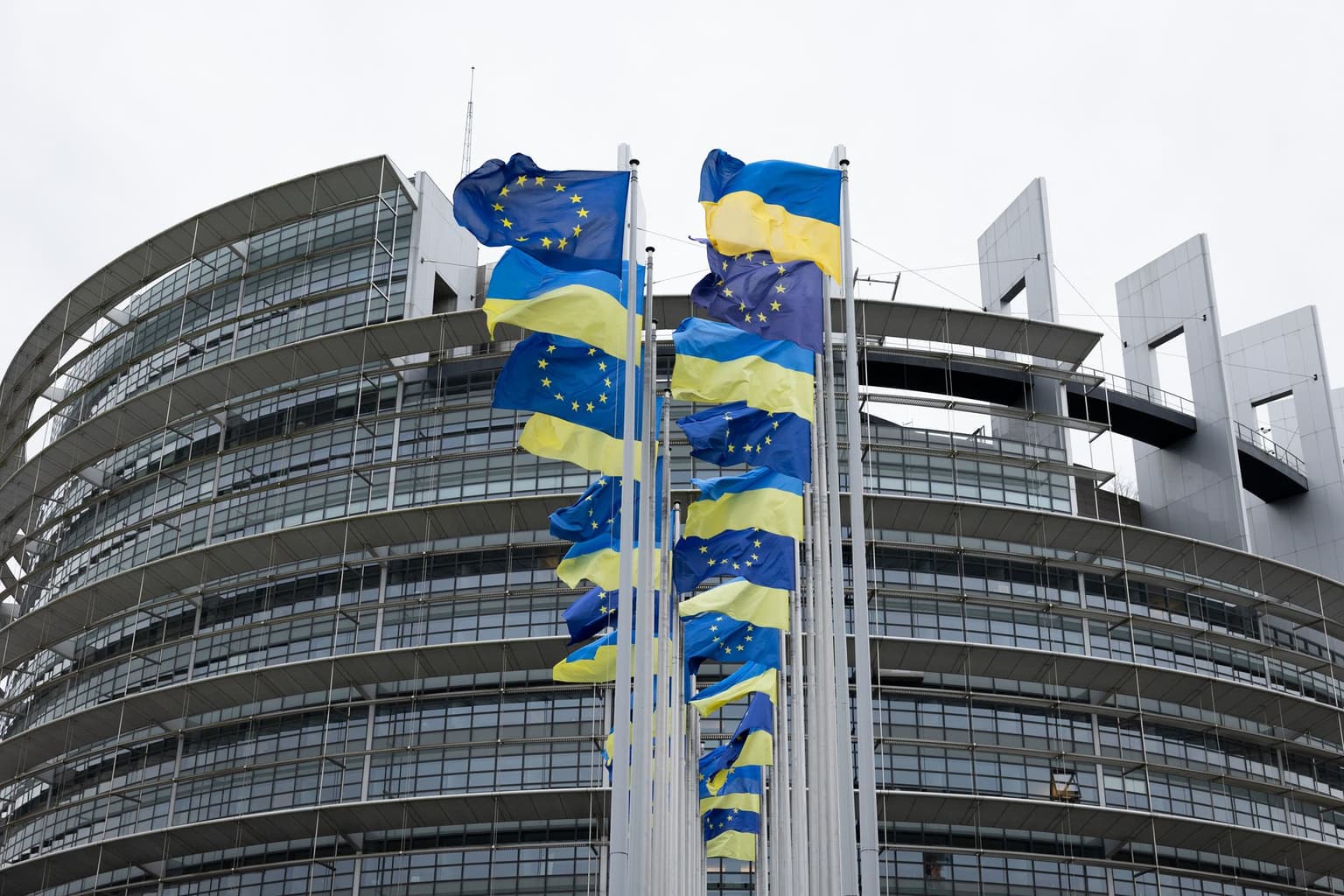
EU ambassadors agreed on the 20th package of sanctions imposed against Moscow in response to its full-scale invasion of Ukraine on April 22, after Hungary and Slovakia lifted their veto over the measures.
The move comes after the EU failed to adopt the package, which had been blocked by outgoing Hungarian Prime Minister Viktor Orban. His defeat in national elections also paved the way for the release of a 90-billion-euros ($106-billion) loan for Kyiv, which EU envoys backed on April 22.
"They will now go through a written procedure, for their final adoption by the Council. The written procedure is expected to conclude tomorrow afternoon," a spokesperson for the Cyprus Presidency of the EU Council said.
Earlier in the day, Hungary and Slovakia said Ukraine has resumed oil flows through the Druzhba pipeline, with initial deliveries expected by April 23. The halt in transit had prompted Budapest to block the sanctions and loan since February.
The pipeline, which supplies Russian crude to both countries, was shut down in late January after sustaining damage in a Russian attack. Budapest and Bratislava accused Kyiv of deliberately stopping transit.
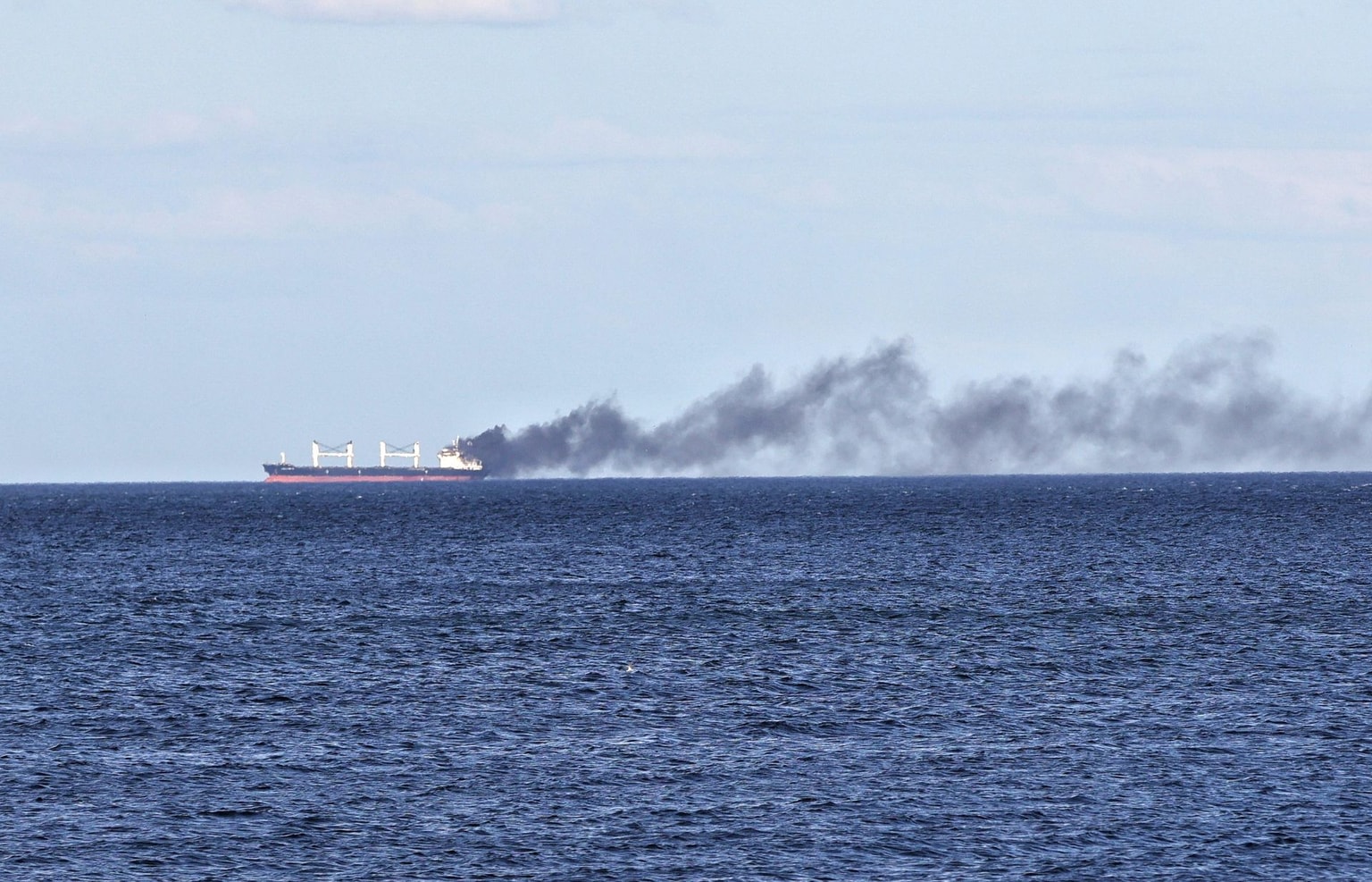
The recent package of measures, unveiled by the European Commission, targeted Russia's energy, financial, and trade sectors. The package also sought to expand restrictions on Russia's so-called shadow fleet and banning maintenance services for LNG tankers and icebreakers.
On April 21, Foreign Minister Andrii Sybiha said at a closed-door meeting with journalists that Ukraine now wants not just sanctions against Russia to be adopted, but for them to be broadened into expanded packages.
"Quite some time has passed since Feb. 24. Our understanding has deepened, as has the need to put pressure on Russia — its industry, shadow fleet, and maritime services," Sybiha said.