Musk 'may change his mind' on using Starlink over Russian territory, Zelensky says
 on Google


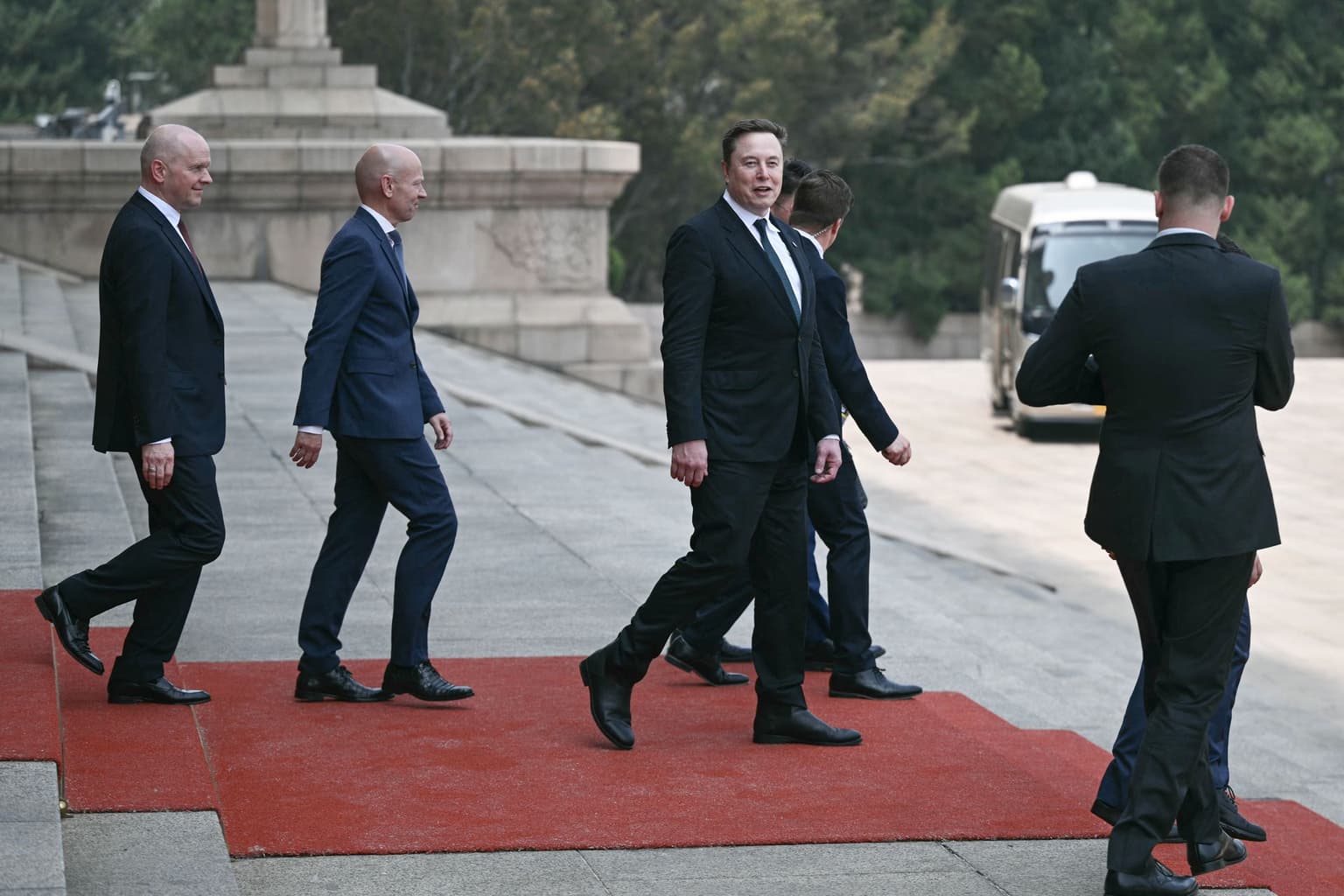
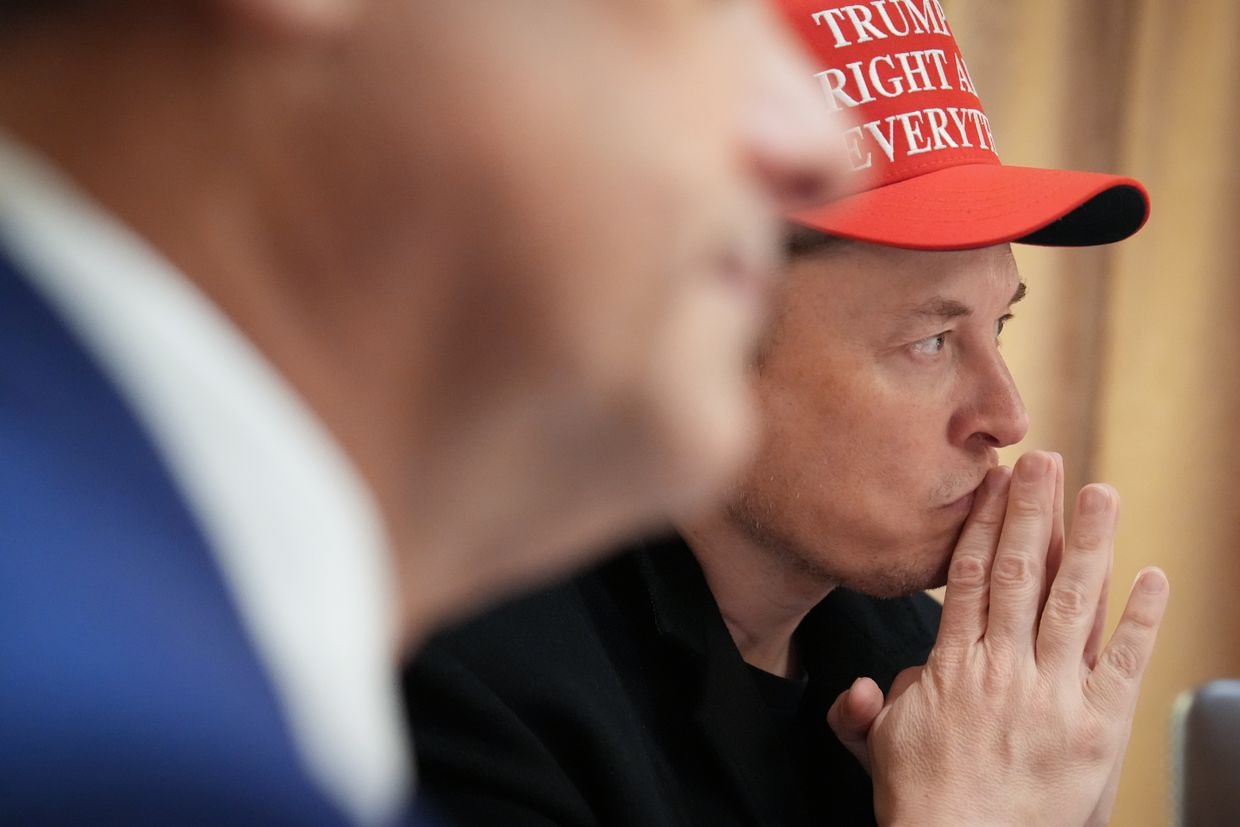
SpaceX CEO Elon Musk could reconsider his opposition to allowing Ukraine to use the company's Starlink internet service over Russian territory, President Volodymyr Zelensky told reporters on Aug. 22.
The tech mogul, whose decision in February 2026 to cut off use of the service for Russian forces was crucial to Ukraine's battlefield successes this year, has been reluctant to let Starlink be used on drones flying into Russia itself.
"So far, (Elon Musk) has said that this constitutes an escalation," Zelensky said. "However, he may change his mind once he sees further arguments."
According to Zelensky, providing Starlink to Ukraine could reduce "precisely those capabilities that Russia is relying on to drag out the war."
On top of allowing flawless high-speed communications between combat positions and command posts, Starlink internet, when mounted on drones, allows for an almost unjammable connection not constrained by the limits traditional radio antennas.
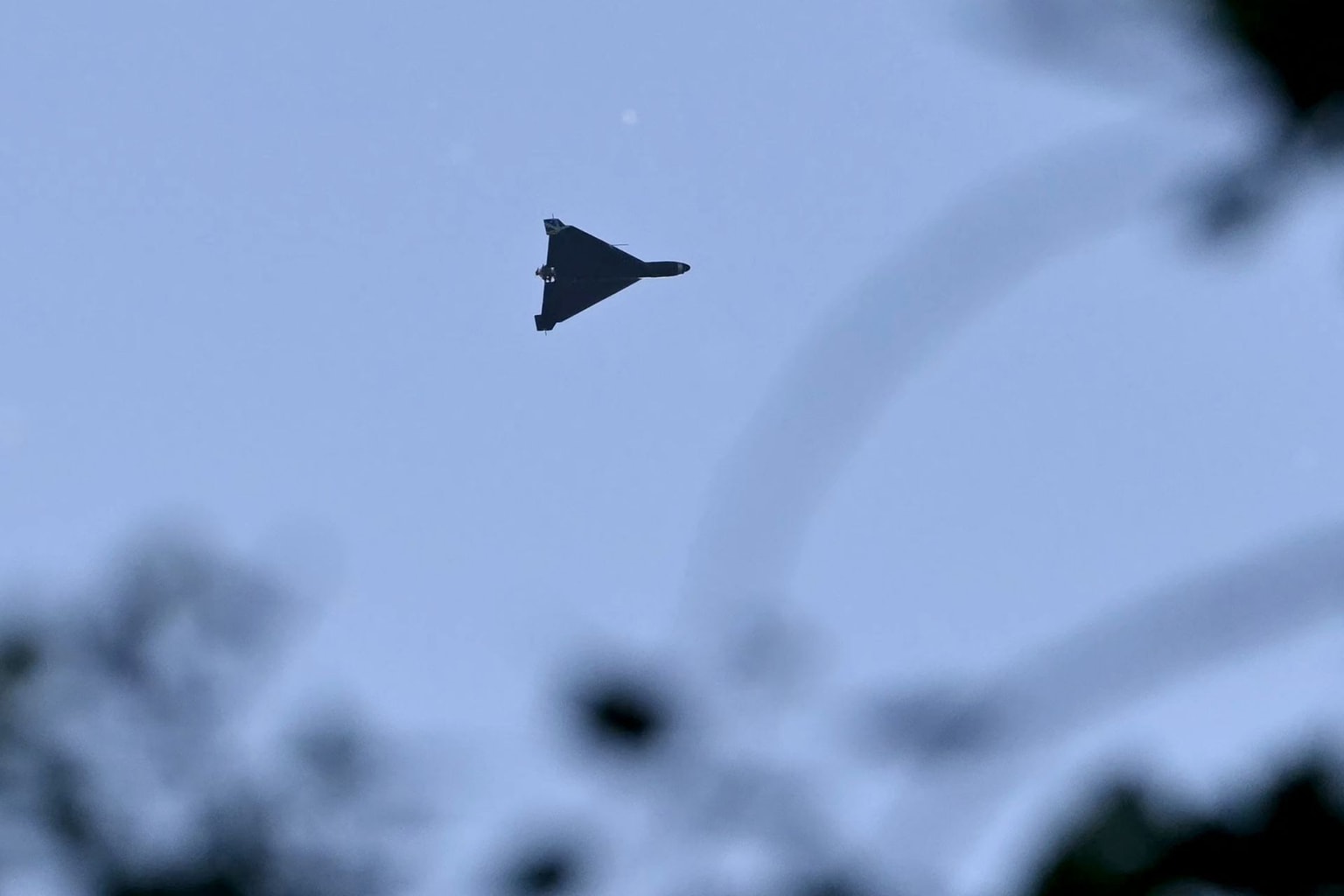
Over 2026, Ukrainian forces have found increasing success using Starlink-enabled drones over Russian-occupied territory, most notably in the "middle-strike" range (50-200 kilometers from the front line), where Russian logistics routes have been devastated by Ukrainian attacks.
The terminals do not, however, work over Russian territory, where Ukraine's ongoing deep strike campaign against Russian military targets, oil infrastructure, and logistics facilities aims to enact strategic offensive pressure on Moscow.
Using Starlink-equipped drones over Russia has also been touted as a potentially effective counter against Russian ballistic missile attacks on Ukraine, by quickly striking the launchers of Russian Iskander and North Korean ballistic missiles when they move out to launch locations.
Ukraine's relationship with Elon Musk has traditionally been entwined with the figure of ex-defense minister Mykhailo Fedorov, who had worked with SpaceX to supply Starlink to the Ukrainian military in the first phases of the full-scale war.
Fedorov, who was controversially dismissed from his post in mid-July, initiated talks with Musk over restricting Starlink access for Russian forces operating in Ukrainian territory.
Fedorov added that restricting access to the terminals is crucial, warning that Starlink access could give Russia "the ability to control operations from Moscow, fly over roads, change flight paths beyond the reach of our radars and acoustic sensors, take out all the F-16s and Patriots, and strike all military targets."
In a likely jab at Fedorov, Zelensky referred to an episode of alleged miscommunication between Ukraine's Defense Ministry, Musk, and U.S. president Donald Trump, which not only failed to secure Starlink access over Russia, but also damaged Kyiv's painstakingly recovered relationship with the White House.
According to Zelensky, he was told by the Defense Ministry that Musk had approved the use of Starlink over Russia, and that he now needed only to secure the blessing of Trump.
Then, after convincing the U.S. president and agreeing on a funding package with EU leaders Ursula von der Leyen and Antonio Costa, Zelensky then learned that Musk had given no such approval.
"He (Trump) said that I kind of tricked him because Musk denied Ukraine the use of Starlink on the territory of Russia," Zelensky said.
"I went back to our defense ministry and they said that maybe that's how it was indeed."
Despite the setback, Zelensky said that his team, together with members of the Trump administration, are continuing talks with Musk in hope of a breakthrough.
"And we have already begun to receive different, more encouraging feedback. We are awaiting relevant meetings and so on. If no one makes a big fuss about this, I think we might see results," Zelensky said.
Meanwhile, Russian forces have since started developing a domestic alternative, the Rassvet ("Dawn" in English) satellite internet network, though the project is still far from replicating the quality and coverage of Starlink.
"I treat this as just another challenge," Zelensky said of the threat of a Russian Starlink equivalent.
"There have been many such challenges over the course of this war, and we have, through different pathways, found our way out of difficult situations."