Inside the Zelensky-Fedorov stalemate: Neither side is ready to yield
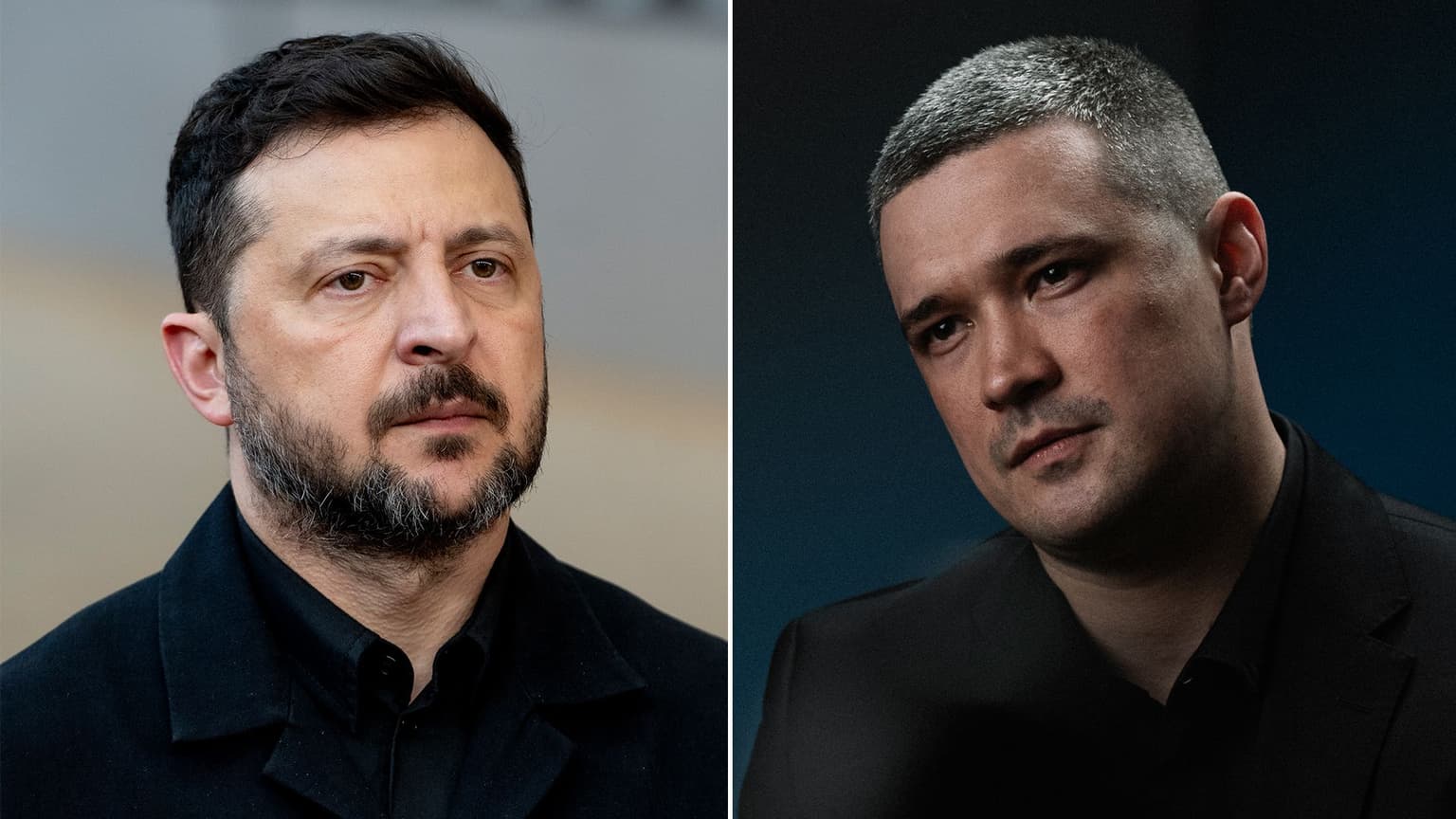
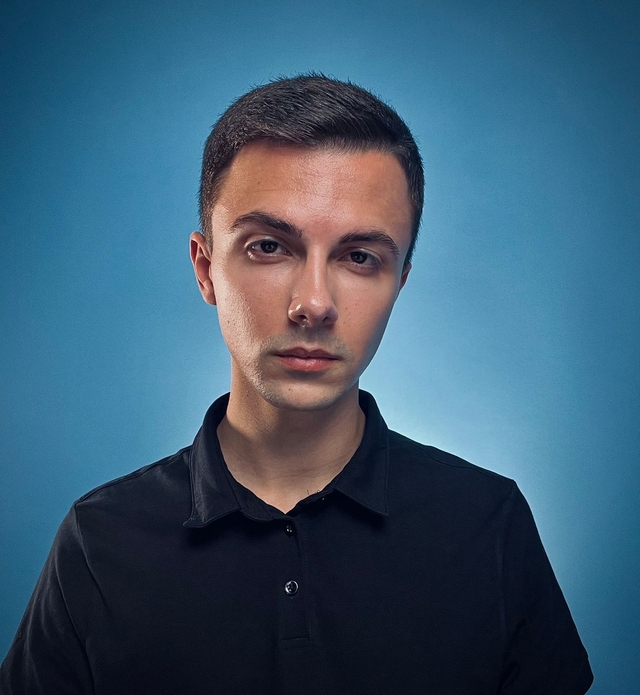
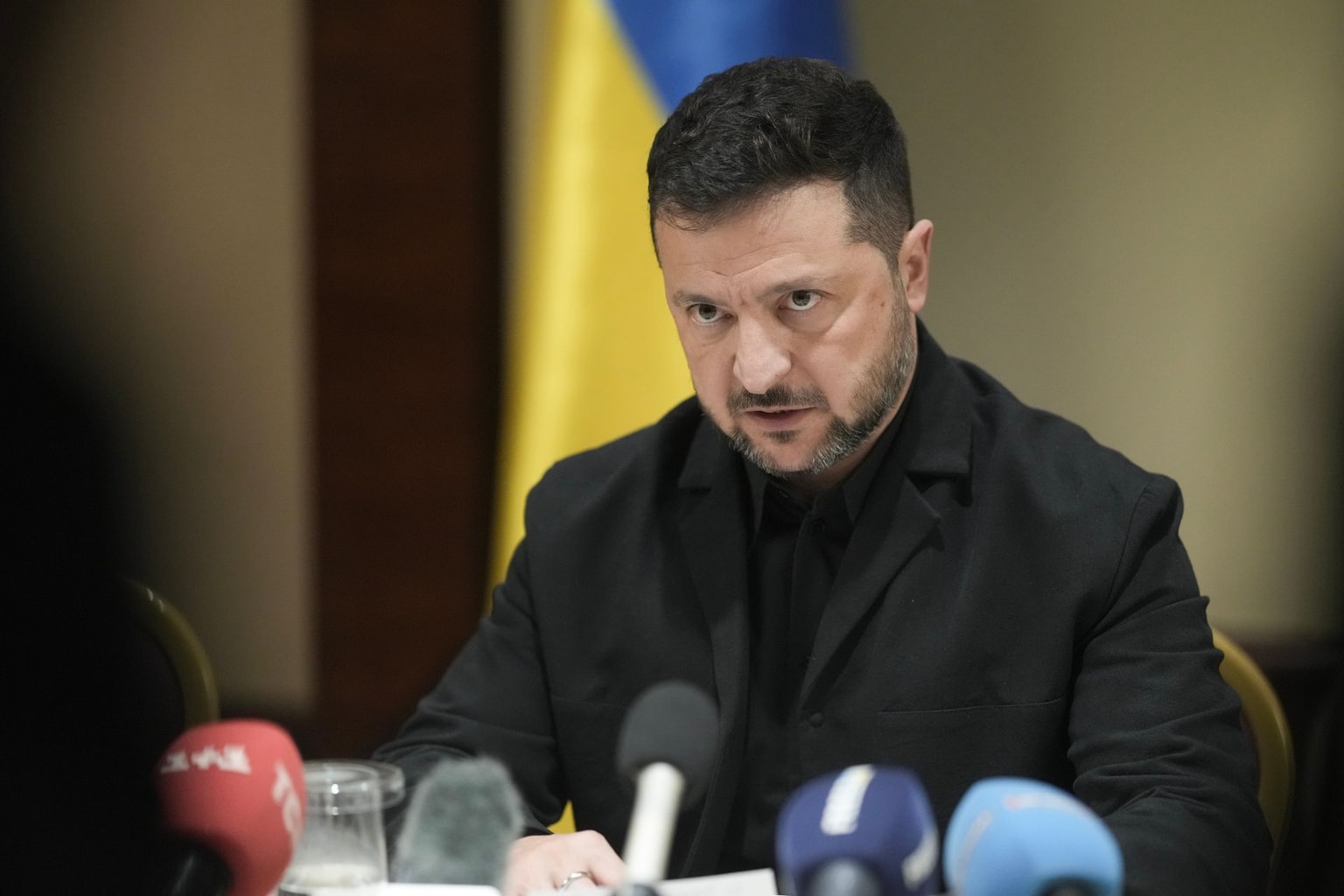
L: President Volodymyr Zelensky in Brussels, Belgium, on June 18, 2026. (Daniel Gnap / NurPhoto / Getty Images) R: Mykhailo Fedorov, then-Defense Minister of Ukraine, on June 17, 2026. (Roman Pashkovskiy / Mykhailo Fedorov's team);(Collage: The Kyiv Independent)
 on Google
President Volodymyr Zelensky and former Defense Minister Mykhailo Fedorov remain locked in a political standoff, with neither side willing to compromise as protests over the minister's dismissal pause for three days, people familiar with the matter told the Kyiv Independent.
Days after thousands of people rallied against Fedorov's dismissal, both camps remain committed to their maximalist positions.
Zelensky fired Commander-in-Chief Oleksandr Syrskyi in an attempt to defuse public anger, but has no intention of reinstating Fedorov as defense minister.
The Ukrainian president said on July 21 that he offered Fedorov "a prominent position in the government" focused on strengthening Ukraine's technological sector.
Fedorov, meanwhile, has made it clear he will only return as defense minister and is unwilling to accept another role in the government.
He has not yet responded to Zelensky's recent proposal.
"They'll keep talking about it," one person familiar with the matter said.
The outcome could determine not only the future leadership of Ukraine's military but also whether the demonstrations resume later this week.
From Fedorov to Syrskyi
Fedorov's dismissal last week immediately triggered protests across Ukraine.
Many Ukrainians struggled to understand why the president removed one of his most popular ministers, widely credited with delivering tangible results during wartime.
Zelensky offered only one public explanation, pointing to an alleged conflict between Fedorov and Syrskyi.
The first day of demonstrations focused almost entirely on Fedorov's dismissal.
By the second day, however, the protests had begun to evolve.

Serhii Sternenko, Fedorov's former adviser and one of Ukraine's most influential activists, devoted a livestream on July 17 to criticizing Syrskyi.
He accused the commander-in-chief of covering up friendly-fire incidents and deliberately weakening some Ukrainian brigades during Russian assaults.
Other public figures and military veterans echoed the criticism, shifting the conversation away from Fedorov's dismissal itself and toward Syrskyi's leadership.
The tension between the two men had long been expected.
Fedorov represented a reform-minded approach centered on innovation, decentralization, and technological modernization.
"People on the streets are looking for a clear explanation of all these decisions."
Syrskyi, by contrast, has favored a highly centralized command structure rooted in Soviet military doctrine. He has faced criticism for micromanagement and for preserving what critics describe as a Soviet-style command culture.
The shift in public attention accelerated after fresh controversy surrounding the Skelia Regiment.
One of Ukraine's largest assault formations, numbering more than 10,000 personnel, the regiment was expanded as part of Syrskyi's effort to build specialized assault units. It receives newly mobilized recruits and is assigned high-risk assault missions.
On June 23, Ukrainian outlet Babel published detailed allegations of abuse within the regiment, reporting at least 25 noncombat deaths among recruits. It later identified seven additional cases.
Just as protests were taking place, Russian forces also captured two Ukrainian soldiers belonging to Skelia during an operation in which the Ukrainian flag was raised in Kostiantynivka in an area the unit had claimed was clear of Russian troops.
An anonymous Ukrainian Telegram channel published a video on the same day featuring the Skelia logo, in which three alleged members of the unit, holding flags with portraits of Syrskyi and Zelensky, said that the cultural center in Kostiantynivka had been cleared and the Ukrainian flag had been raised.
The video has since been removed from the Telegram channel but is still available on other platforms.

The reports intensified scrutiny of Syrskyi's leadership and strengthened calls for his dismissal.
By the second and third days of protests, chants of "Syrskyi out" had become as common as demands to reinstate Fedorov.
Zelensky changes course
The President's Office quickly recognized that public anger had begun shifting.
Even before the protests, Zelensky had privately told lawmakers from his Servant of the People party that, in an ideal scenario, he would replace both Fedorov and Syrskyi.
As criticism of the commander-in-chief mounted, the president began actively searching for a replacement.
Over the past several days, Zelensky met with potential candidates for the position, an official familiar with the discussions told the Kyiv Independent.
Those meetings coincided with efforts to contain the growing backlash.
At the same time, Zelensky maintained direct contact with Fedorov.
Recognizing the former minister's popularity, the president offered him another senior role within his team.

Zelensky proposed that Fedorov oversee military modernization either as a presidential adviser or as a deputy prime minister.
The proposal reflected the president's belief that Fedorov could continue many of the reforms he had launched without returning to the Defense Ministry.
Often compared to "Ukraine's Elon Musk" — in terms of innovation, not politics — Fedorov oversaw reforms ranging from drone warfare and military modernization to disrupting Russian forces' access to Starlink systems and coordinating strikes against Russian logistics.
He also launched what he himself described as "an unpopular but extremely important" military reform.
No compromise
For Fedorov, however, the offer was never acceptable.
According to people familiar with his position, he told Zelensky he intends to return only as defense minister.
He believes the reforms he launched during his six months in office can only be completed from that position.
Fedorov said his tenure as defense minister centered on three priorities, including reforming military recruitment, overhauling defense procurement, and scaling up drone supplies for the army.
The President's Office, however, has shown no willingness to reverse course.
Officials around Zelensky believe public pressure has largely shifted away from Fedorov and toward Syrskyi, reducing the political cost.
Fedorov's team sees the situation differently.
They believe sustained public pressure could force Zelensky into another reversal, much as widespread demonstrations last year pushed the president to retreat from efforts to weaken Ukraine's anti-corruption institutions.
"It looks like they're trying to remove the commander-in-chief just to quiet the protests," a source familiar with the situation told the Kyiv Independent on condition of anonymity. "But it seems people on the streets are looking for a clear explanation of all these decisions."
That calculation now underpins the current standoff.
As protests continued in Kyiv, Zelensky appeared increasingly prepared to sacrifice Syrskyi to calm public anger in hopes that it would be enough.
Last week, Zelensky's first choice for defense minister was then Interior Minister Ihor Klymenko. But the nomination quickly ran into trouble, drawing an immediate public backlash.
As protests grew, Zelensky pivoted to a different nominee. He put forward Yevhen Khmara, the acting head of Ukraine's Security Service (SBU), who led the agency's Alpha Special Operations Center.

Khmara is widely respected in military circles, and his nomination has been received far more favorably by many of those demonstrating.
"Yevhen Khmara is an outstanding professional in his field. But defense minister isn't the job he should be doing," Oleksii, a 39-year-old IT specialist who attended the protests, told the Kyiv Independent.
Khmara was soon appointed acting defense minister by the government, with the formal confirmation to be made by parliament after a presidential nomination. The parliament is technically on recess until Aug. 18, and Zelensky hasn't officially nominated Khmara for the full-time position.
Waiting for Friday
The latest protest against Fedorov's dismissal and Syrskyi's continued tenure took place in Kyiv on July 20.
Hundreds of demonstrators gathered in the capital, while smaller rallies were held across other Ukrainian cities.
After Monday's demonstration, organizers announced a three-day pause, giving Zelensky until July 24 to meet their two central demands: reinstating Fedorov as defense minister and dismissing Syrskyi as commander-in-chief.

The expectation inside Zelensky's office is that replacing Syrskyi would satisfy protesters to prevent demonstrations from resuming.
Officials also hope that, as public pressure fades, Fedorov will have little choice but to reconsider the alternative government role already offered to him.
People close to the former minister, however, appear prepared to wait.
For now, neither side is backing down.
The next test comes on July 24, when it will become clear whether replacing Syrskyi alone is enough to satisfy protesters — or whether demands for Fedorov's reinstatement would be enough to pull people back into the streets.