EU purchases of Russian Yamal LNG rise to over $9 billion in 2026, despite October dip
 on Google

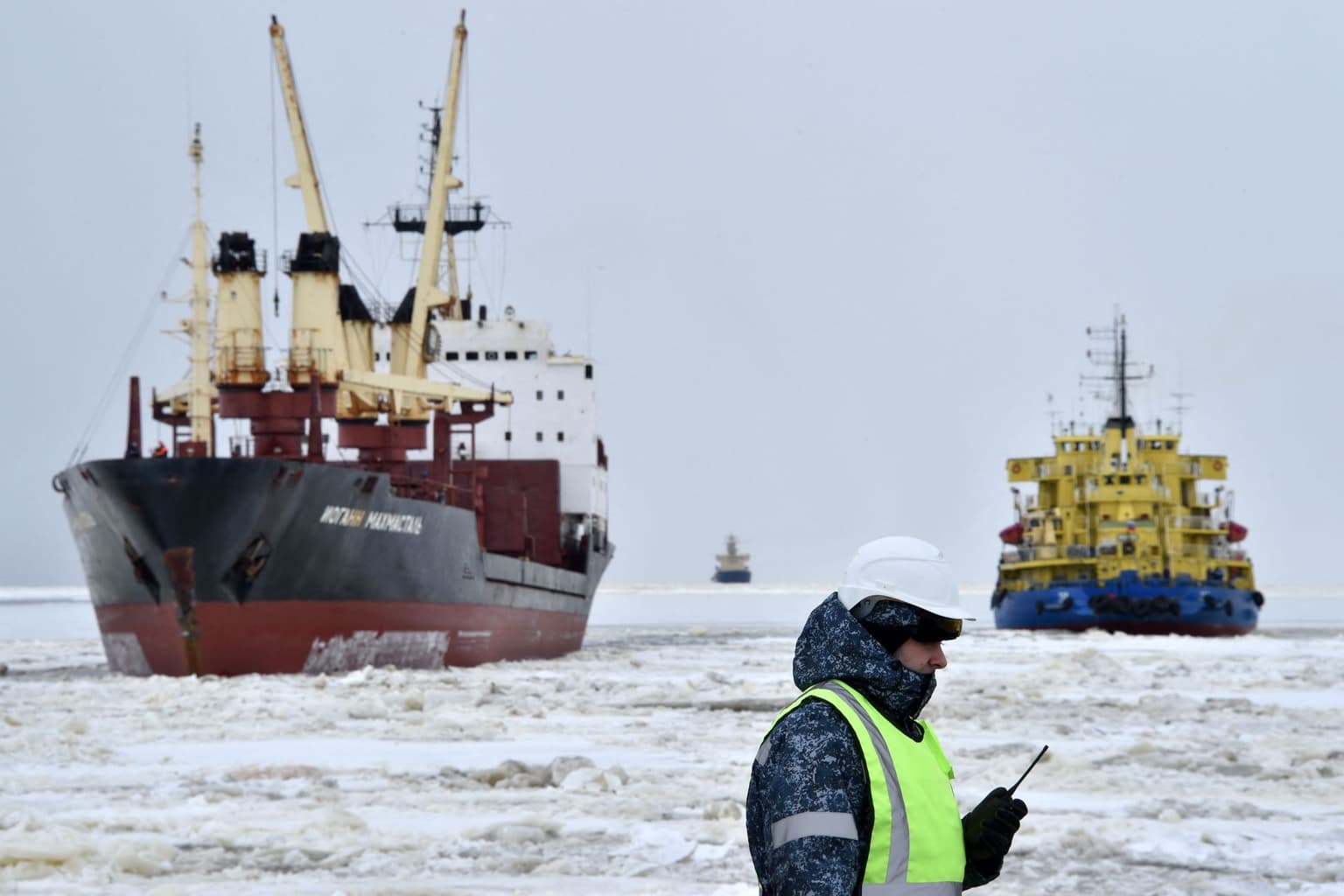
The EU has paid about 8.7 billion euros ($9.6 billion) for liquefied natural gas (LNG) from Russia's Arctic Yamal project in the first 10 months of this year, the sanctions-monitoring NGO Urgewald said on Nov. 12, citing Kpler data.
This means the European bloc has already paid over one-fifth more for Yamal LNG this year than throughout the entire 2025, according to the NGO's data shared with the Kyiv Independent.
The news comes less than two months before a full EU ban on Russian gas imports takes effect, part of Europe's efforts to wean itself off Russian energy and undercut the Kremlin's wartime revenues.
In October, EU countries purchased 705,591 metric tons of Yamal LNG, down 11% from September. However, Urgewald notes that rising prices meant the payments actually rose by 2.6% since last month.
France was the main destination for Russian LNG cargoes in October, representing 70% of all EU purchases. Seven cargoes arrived at French ports, two in Spain, and one in the Netherlands.
While Belgium has traditionally been one of the leading buyers of Russian LNG, Urgewald reported no deliveries to the country's Zeebrugge terminal between August and October.
The Center for Research on Energy and Clean Air (CREA) think tank reported that in September, EU imports of Russian LNG rebounded by 60% month-on-month from the record low in August.
Even as the ban on Russian gas nears, the European bloc remains the leading buyer of Russia's LNG, covering almost a half of the country's exports, according to CREA.
"Losing access to Europe's market could deal a devastating blow to (Russian President Vladimir) Putin's flagship Arctic gas industry. Longer voyages, higher shipping costs and thinner profits would leave Russia paying the price," said Sebastian Rötters, a sanctions campaigner at Urgewald.
"With just 50 days to go until the January ban, Europe must hold the line. No retreat, no new exemptions and no lifelines for this trade. After almost five years of war, governments must finally pull the plug on the Russian LNG business."